BLOG

2026 Best Food Inspection Machine Buying Guide

Food safety is becoming a measurable production priority, not merely a compliance task. The World Health Organization estimates that contaminated food causes about 600 million illnesses and 420,000 deaths worldwide each year. These figures show why reliable detection belongs beside sanitation, traceability, and operator training. A modern food inspection machine can identify metal, glass, dense bone, missing products, and packaging defects before goods reach customers.

This 2026 Best Food Inspection Machine Buying Guide examines the equipment behind safer, more consistent production. It considers X-ray inspection, metal detection, vision systems, checkweighers, and combination platforms. PMMI industry research continues to highlight automation, data connectivity, and flexible packaging as major machinery priorities. Those trends matter on a busy line, where a one-gram weight error or a poorly sealed tray can create waste, recalls, and customer complaints.

No machine is perfect.

Performance depends on product density, moisture, temperature, line speed, package material, and maintenance discipline. A detector that performs well on frozen vegetables may struggle with warm, salty products. That detail is easy to overlook. This guide therefore focuses on practical evidence, including sensitivity tests, reject verification, hygienic design, calibration records, service access, and total ownership cost. It also questions broad supplier claims. The highest sensitivity specification may not deliver the best result in a real factory. Buyers should compare validated test pieces, usable throughput, operator feedback, and documented support. Such a disciplined approach helps food manufacturers choose technology that protects consumers while supporting stable production.
2026 Best Food Inspection Machine Buying Guide

What Is a Food Inspection Machine?

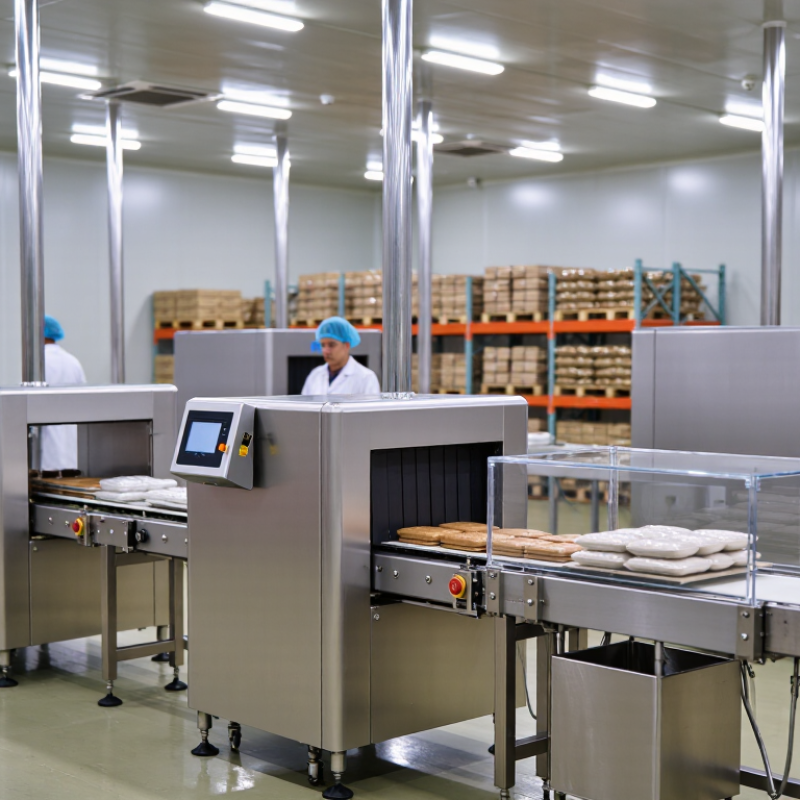
A food inspection machine is an automated system that checks food products for safety, quality, or physical defects during production. It is not a single device with one universal function. Common systems include metal detectors, X-ray units, vision cameras, checkweighers, and seal inspection equipment. Each technology detects different risks.

The World Health Organization estimates that contaminated food causes about 600 million illnesses and 420,000 deaths worldwide each year (WHO, Food Safety Fact Sheet). This figure explains why inspection equipment matters, but it does not replace sanitation or process control.

A metal detector may identify ferrous fragments, while X-ray inspection can detect glass, stones, or dense bones inside packaged food.

Vision systems can find damaged seals, missing labels, or unusual color changes. Checkweighers can remove packs with incorrect fill weights.

Look beyond detection claims.

In real production, performance depends on product density, moisture, packaging material, line speed, and equipment calibration. HACCP guidance from Codex Alimentarius treats inspection as one part of a broader preventive control system. A machine can reject a defective pack, yet it cannot explain why contamination occurred. That limitation deserves attention. Buyers should review sensitivity tests, reject verification, data records, cleaning access, and operator training before comparing prices. The best choice is usually the system matched to the actual hazard, not the system with the longest feature list.

How Food Inspection Machines Work

How Food Inspection Machines Work

Food inspection machines combine sensors, software, and mechanical controls to examine products during production. Their purpose is simple: detect risks without damaging safe food. A conveyor moves each item through a controlled inspection zone. The machine then compares measured results with preset limits.

Metal detectors create an electromagnetic field around the product. Conductive particles disturb that field and trigger an alarm. X-ray systems measure differences in density, helping identify dense fragments, missing items, or damaged packaging. Vision systems use cameras and lighting to check labels, seals, color, shape, and surface defects. Checkweighers measure every package and remove products outside the approved weight range.

At a typical checkpoint, trained technicians test the machine with certified test pieces. They record sensitivity, product settings, rejection timing, and cleaning conditions. A reject arm or air jet removes a failed item into a locked container for review. Small details matter. Product temperature, moisture, speed, and package material can affect accuracy. No machine sees everything. False rejects may rise when settings are too sensitive, while weak settings can miss defects. This trade-off deserves honest testing before purchase. Reliable inspection also requires calibration, documented verification, operator training, and routine maintenance. A clean screen is not proof of perfect performance; production records and follow-up checks provide stronger evidence.

2026 Best Food Inspection Machine Buying Guide - How Food Inspection Machines Work

Food inspection systems combine temperature sensing, metal detection, X-ray inspection, machine vision, and checkweighing to identify safety or quality problems during production. The chart shows widely used reference temperature limits that inline thermal monitoring systems can verify. Exact legal requirements may vary by product and jurisdiction.

Reference values: chilled food at or below 5°C, frozen food at or below −18°C, hot-held food at or above 57°C, and poultry cooking at or above 74°C.

Key Types of Food Inspection Machines

2026 Best Food Inspection Machine Buying Guide

Key Types of Food Inspection Machines

Food inspection equipment is not one universal solution. Metal detectors identify conductive fragments in moving products, while X-ray systems can detect dense contaminants such as glass, stone, and calcified material. Vision inspection checks labels, seals, color, shape, and missing components. Checkweighers verify fill weight at line speed, and leak detectors examine sealed trays or pouches. Each machine sees a different risk.

The World Health Organization estimates that foodborne illness affects about 600 million people and causes 420,000 deaths globally each year. That figure makes inspection more than a quality upgrade. It supports a risk-based buying decision. For example, a ready-meal line may need X-ray inspection, checkweighing, and seal verification. A bakery line may gain more from vision systems and metal detection. The product, packaging, speed, and moisture level matter.

I would not choose equipment by sensitivity alone. False rejects can waste good products and hide poor setup practices. Review independent test records, hygienic design, calibration routines, data logging, and cleaning access. The Codex Alimentarius principles recommend preventive food safety controls, but machines cannot replace them. A poorly positioned sensor remains a weak control. Leave room for doubt, trial testing, and operator feedback before final purchase.

How to Choose the Right Food Inspection Machine

Choosing the right food inspection machine starts with the product, not the equipment catalogue. Consider moisture, temperature, packaging material, density, and line speed. A dry snack may suit metal detection, while dense or foil-wrapped products may require X-ray inspection. Vision systems can check seals, labels, fill levels, and visible defects. Checkweighers help identify missing or underfilled packs.

Measure the real production conditions. Record belt width, product spacing, conveyor height, and daily cleaning routines. Ask whether the machine can handle washdown areas and frequent product changes. During trials, test normal products and controlled samples that represent realistic contamination risks. Keep results, images, rejection rates, and calibration records. The machine should support your HACCP plan and local food-safety requirements.

Do not choose by sensitivity alone. Excessive sensitivity may create unnecessary rejects and slow production. A cheaper unit can also become expensive when maintenance, training, and downtime are added. Request clear validation procedures and practical operator training. Inspect the reject mechanism, alarm visibility, data storage, and service response. I have seen teams overlook access space around the conveyor. That mistake makes cleaning difficult. Recheck your assumptions. Your fastest line may not be your best line. Select equipment that protects product quality without creating new operational problems.

Installation, Maintenance, and Compliance Considerations

A 2026 food inspection machine should be judged by installation discipline, not only detection accuracy. Leave clear space around conveyors, reject stations, and control panels. Keep the inspection zone away from splash and unnecessary foot traffic. A level frame prevents unstable readings. Verify sensitivity with certified test pieces before production starts. Small details matter. WHO estimates that contaminated food causes 600 million illnesses and 420,000 deaths worldwide each year, showing why reliable inspection supports broader food safety controls (WHO, 2015).

Maintenance must be practical for real operators. Use tool-free access where possible, document cleaning intervals, and inspect belts, sensors, seals, and reject mechanisms during every shift. Create a failure log with time, product, temperature, and corrective action. The record may reveal recurring problems that alarms miss. CDC estimates 48 million foodborne illnesses occur annually in the United States, including 128,000 hospitalizations and 3,000 deaths (CDC, 2011 estimates). Test it cold. Then test it under normal production speed.

Compliance depends on evidence, not promises. Integrate inspection results with HACCP or preventive-control records, and protect electronic data from casual editing. Validate performance after installation, software changes, product changes, and major repairs. Keep calibration certificates and operator-training records available for audits. Codex General Principles of Food Hygiene, revised in 2022, emphasizes documented hazard control and verification. A common weakness is assuming one successful factory test proves long-term control. It does not. Review rejection trends monthly, challenge the machine with difficult products, and revise procedures when actual conditions expose gaps.

2026 Best Food Inspection Machine Buying Guide - Installation, Maintenance, and Compliance Considerations
Inspection Technology Primary Detection or Measurement Typical Food Applications Typical Line Speed* Typical Product or Pack Constraints Recommended Installation Point Key Maintenance Requirements Important Compliance Considerations Buying Priority
Metal Detector Ferrous, non-ferrous, and stainless-steel metal contaminants Bakery products, meat, poultry, seafood, dairy, snacks, ready meals, and packaged dry foods Approximately 20–300 products per minute, depending on aperture size, product spacing, and conveyor design Product effect from moisture, salt, temperature, and conductivity can reduce sensitivity; product recipes should be tested individually After the final processing or packaging step, normally before case packing; use a reject device and locked reject confirmation where required Clean the aperture and conveyor; verify sensitivity with certified test pieces at scheduled intervals; inspect reject mechanisms, belts, guards, and sensors Include the detector in the HACCP plan; maintain documented challenge-test results, reject records, calibration procedures, and corrective actions High for most packaged food lines
X-Ray Inspection Dense foreign bodies such as glass, mineral stone, calcified bone, and many metals; also missing or damaged products in suitable applications Products in glass, foil, metalized film, rigid plastic, cartons, cans, jars, bottles, and multipacks Approximately 30–1,200 packs per minute, depending on the inspection system, product size, and number of lanes Detection performance depends on density contrast, product thickness, package geometry, and the position of the contaminant After sealing or closing, where the complete saleable pack can be inspected; install with a controlled reject area and suitable guarding Clean the X-ray window and conveyor; inspect curtains, seals, cooling systems, reject devices, and image-quality verification procedures Apply applicable radiation-safety requirements; use interlocked shielding, warning labels, leakage testing, authorized service procedures, and documented food-safety validation High for dense products or difficult packaging
Checkweigher Pack weight, underweight, overweight, missing components, and selected count or completeness conditions Prepacked meat, bakery items, frozen foods, snacks, dairy products, pouches, trays, and cartons Approximately 60–600 products per minute, depending on product stability, belt length, and weighing accuracy Products must be sufficiently stable and separated; vibration, airflow, moisture, and belt transfer can affect results After filling and sealing, before case packing or palletizing; position it after any process likely to change the final pack weight Clean the weigh belt and load-cell area; check belt tension, alignment, zero stability, calibration, reject timing, and product spacing Configure legal-for-trade controls where applicable; retain calibration and verification records; define statistical sampling and reaction limits High when declared quantity or giveaway control is important
Vision Inspection Label presence and position, print quality, date and lot codes, color, shape, seal appearance, cap presence, and packaging defects Bottles, trays, cartons, cans, pouches, labels, closures, and visually identifiable prepared foods Approximately 30–1,500 products per minute, depending on camera resolution, lighting, processing time, and number of inspection points Requires consistent lighting, stable product presentation, suitable contrast, and controlled camera-to-product distance Immediately after labeling, coding, capping, sealing, or forming; install cameras where the relevant feature is visible and repeatably positioned Clean lenses and protective windows; verify lighting intensity, focus, camera alignment, software recipes, and reject confirmation Validate critical inspection parameters; control user access and recipe changes; retain image or event records when required by the quality system High for labeling, coding, and packaging verification
Seal Integrity Inspection Leaking, incomplete, contaminated, wrinkled, or weak seals in flexible or rigid packages Vacuum packs, modified-atmosphere packs, pouches, trays, cups, sachets, and heat-sealed films Approximately 20–400 packs per minute, depending on the method, package format, and test cycle Test sensitivity depends on package material, seal width, internal pressure, temperature, and defect size After sealing and cooling, before secondary packaging; provide space for controlled product handling and reject verification Clean test surfaces and fixtures; inspect vacuum or pressure systems, sensors, seals, tooling, and reference standards; verify test repeatability Establish validated test methods and acceptance limits; link results to HACCP preventive controls, packaging specifications, and corrective-action records High for vacuum and modified-atmosphere products
Foreign-Material Optical Sorting Color, shape, size, and selected surface differences; removal of visible defects and foreign materials Grains, nuts, seeds, dried foods, fresh produce, frozen vegetables, and bulk ingredients Approximately 1–15 tonnes per hour, depending on material, chute width, particle size, and sorting criteria Requires controlled material flow; performance is affected by dust, overlapping pieces, surface contamination, and similar-colored defects After cleaning, grading, or drying and before final blending or packaging; install with dust extraction where appropriate Clean cameras, air nozzles, chutes, and lighting windows; inspect compressed-air quality, ejector response, filters, and calibration references Document validated defect categories, acceptance limits, cleaning controls, compressed-air quality, and verification of rejected material segregation Medium to high for bulk ingredients
Temperature Inspection Product, cooking, chilling, freezing, or storage temperature Cooked foods, chilled meals, meat, poultry, seafood, dairy, frozen products, and hot-fill processes In-line or batch-based; measurement frequency should match the process risk and product residence time Probe placement, surface versus core temperature, product thickness, emissivity, and stabilization time affect accuracy At critical heating, cooling, cooking, or cold-storage control points; use calibrated probes for core-temperature verification where required Clean and sanitize probes; check calibration against a traceable reference; inspect cables, housings, batteries, and data logging Define critical limits and monitoring frequency under HACCP or preventive-control procedures; maintain calibration and deviation records High for time-temperature-controlled foods
Checkweigher plus Combination Inspection Weight verification combined with metal detection, X-ray, vision, or code inspection High-volume packaged foods requiring several quality checks in a limited line footprint Usually approximately 60–500 products per minute, depending on the integrated modules and product format Each inspection function retains its own limitations; product spacing and machine synchronization are critical Near the end of the line, after the final product and package operations; provide adequate access for cleaning and service Maintain each module separately; verify data synchronization, reject timing, belt tracking, recipe control, and integrated alarms Prepare a combined validation protocol; control electronic records, user permissions, audit trails, and documented release procedures High where floor space and labor are limited
Purchasing and compliance notes: The performance ranges are typical planning values rather than guaranteed specifications. Final capability must be confirmed using the actual product, package, contaminant type, line speed, environmental conditions, and required detection limits. Before purchase, request a product trial, documented validation protocol, reject verification, data-retention capability, sanitation compatibility, and service documentation. Common food-safety frameworks include HACCP-based controls, preventive-control programs, applicable labeling and weights-and-measures rules, hygienic equipment-design principles, and local electrical, machinery, and radiation-safety requirements where relevant.