2026 Best Food X Ray Inspection Equipment for Global Buyers?
In the fast-evolving landscape of food safety, the significance of food x ray inspection equipment cannot be overstated. As consumer demand for quality increases, manufacturers must adopt advanced technologies to ensure safety and compliance. Many global buyers are now on the lookout for cutting-edge systems that guarantee precision and efficiency.
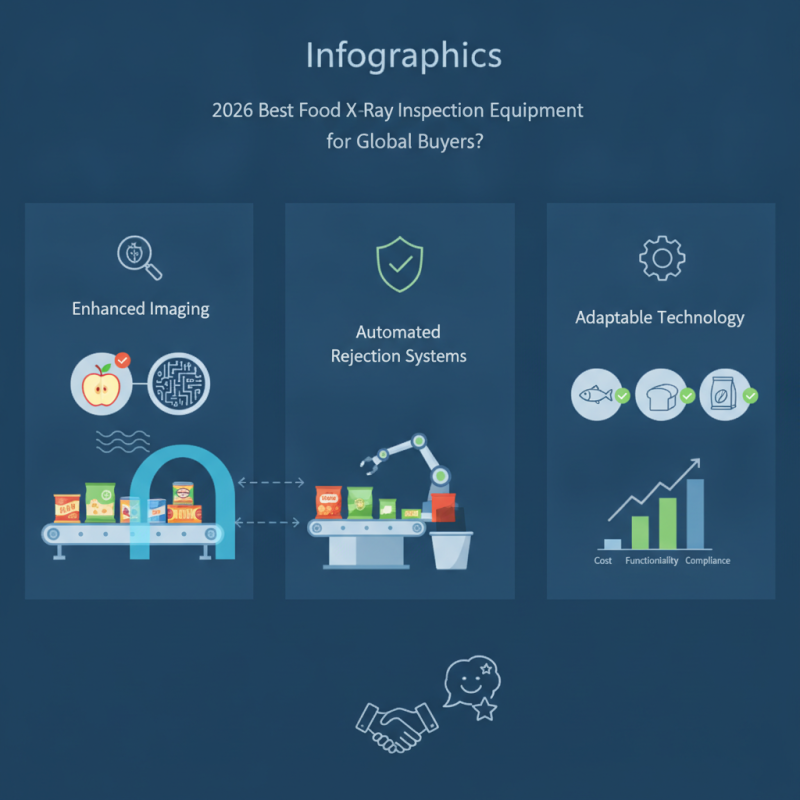
Understanding the dynamics of food x ray inspection equipment necessitates a keen awareness of available options and their technological capabilities. Different machines offer unique features, such as enhanced imaging and automated rejection systems. Buyers must critically evaluate these tools, balancing cost with functionality.
While advancements in this field are promising, some challenges remain. Not all equipment provides uniform results across various food types. Buyers should reflect on their specific needs and seek equipment that aligns with their goals. In this ever-competitive market, a mindful approach can lead to the adoption of solutions that not only meet regulations but also establish trust with consumers.
2026 Overview of Food X-Ray Inspection Equipment Market Trends
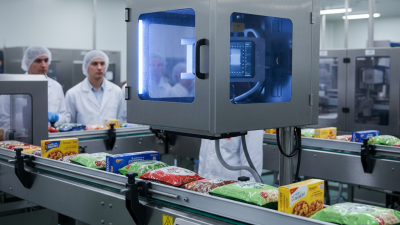
The food X-ray inspection equipment market is evolving rapidly. As food safety concerns grow globally, companies seek better inspection solutions. X-ray technology offers effective detection of contaminants. This includes metal, glass, and plastic in food products. Such equipment enhances quality control in food processing plants.
Trends show increasing demand for compact, automated systems. These machines save space and improve efficiency. Users value real-time data on product integrity. Manufacturers focus on user-friendly interfaces and maintenance ease. However, challenges remain. Some companies struggle with the integration of these systems. Cost can be a major factor, especially for smaller businesses.
Another notable trend is the push for enhanced regulatory compliance. Food safety standards continue to tighten worldwide. This encourages companies to adopt advanced inspection technology. Still, industry players must ensure proper training for staff. Misuse of the equipment can lead to inaccurate results. Balancing technology and human expertise remains a critical focus for the market.
2026 Best Food X Ray Inspection Equipment Market Trends
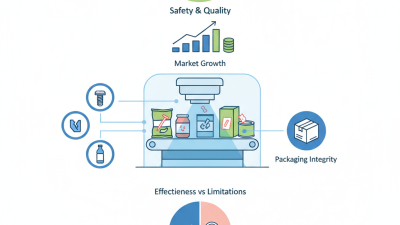
This chart displays the projected market growth for Food X-Ray Inspection Equipment from 2022 to 2026, highlighting the increasing demand for advanced food safety solutions.
Key Features of Effective Food X-Ray Inspection Equipment
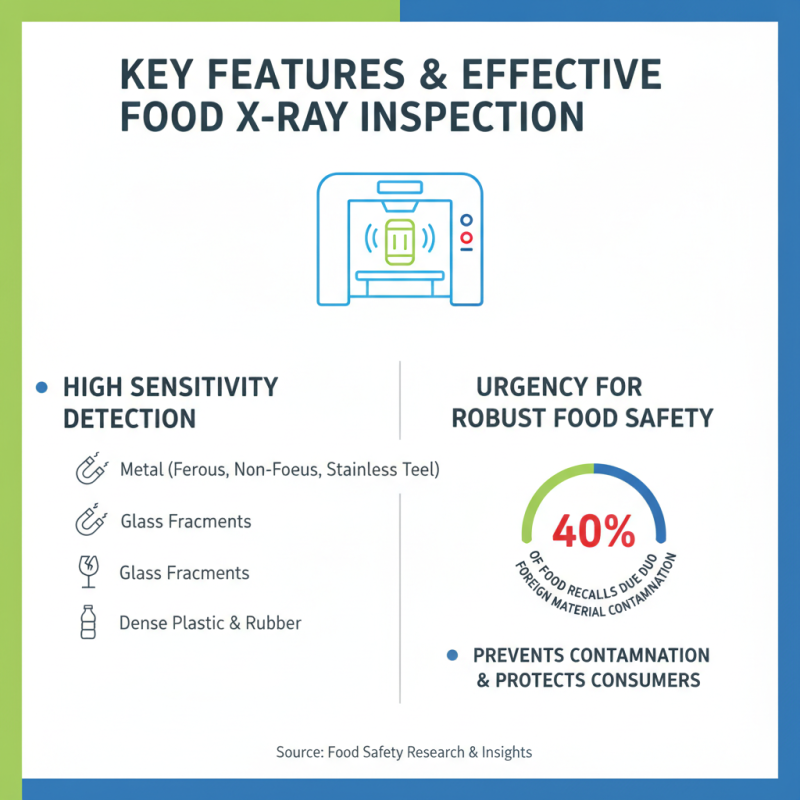
When selecting effective food X-ray inspection equipment, key features play a critical role. The equipment should provide high sensitivity to detect contaminants like metal, glass, and plastic. Research indicates that around 40% of food recalls are due to foreign material contamination. This figure highlights the urgency for robust detection technologies in food safety.
Another significant feature is adaptability. The ability to inspect various food types—ranging from meats to packaged snacks—ensures versatility. The equipment must also operate at different speeds without compromising detection accuracy. In a fast-paced industry, inspection systems should integrate seamlessly into production lines. According to industry reports, companies that invest in advanced inspection technology can reduce product recall costs by up to 50%.
Ease of use and maintenance contributes to the reliability of the equipment. Training staff is crucial for effective operation. Complex systems can lead to user errors, resulting in missed detections. Moreover, regular servicing of equipment is necessary. Without proper maintenance, the sensitivity and performance may decline, making consistent quality assurance challenging. These aspects need reflection for continuous improvement.
Top Brands and Manufacturers in the Food X-Ray Inspection Sector
The food X-ray inspection market is expanding rapidly. According to industry reports, the global market is projected to reach $1.23 billion by 2026. This growth is driven by the increasing need for food safety and quality assurance. Manufacturers are investing in advanced technologies to meet these demands.
Top brands in the food X-ray inspection sector are focused on enhancing detection accuracy. They utilize sophisticated algorithms and high-resolution imaging to identify contaminants. A recent study highlighted that about 85% of inspections need to accurately detect foreign objects. However, not all equipment meets these standards consistently. Some may miss critical detections, leading to potential risks.
Manufacturers emphasize reliability and usability. Reports suggest that user-friendly interfaces can significantly reduce operator errors. Yet, many users still report confusion when navigating complex systems. Finding the optimal balance between technology and user experience remains a challenge in the industry.
As competition heats up, continuous improvement is essential for leading manufacturers. Each brand aims to secure its place in this evolving market.
Comparative Analysis of Food X-Ray Inspection Technologies
Food safety remains a top priority for manufacturers and consumers. X-ray inspection technologies have increasingly become essential in this field. These systems can detect contaminants, which enhances food quality control. They operate by sending X-rays through food products, identifying inconsistencies in density. This process helps locate foreign objects that may pose a risk.
Different types of X-ray inspection systems are available. Some models focus on bulk detection, while others excel in detailed analysis. The effectiveness of these technologies depends on factors such as food type and packaging. Each system has its pros and cons, requiring careful consideration. Understanding these nuances can be challenging. It's crucial to assess which technology aligns best with specific operational needs.
The complexity and cost of these systems can be a barrier for many companies. Training staff to operate these machines is equally important. Regular maintenance and calibration are necessary to ensure accuracy. Without proper oversight, even the best equipment can yield false results. Balancing efficiency and reliability is essential for optimal food safety solutions.
2026 Best Food X Ray Inspection Equipment for Global Buyers
| Inspection Technology |
Detection Sensitivity (mm) |
Scanning Speed (m/min) |
Image Resolution (dpi) |
Weight (kg) |
Price Range (USD) |
| Single Energy X-Ray |
1.0 |
30 |
600 |
150 |
10,000 - 12,000 |
| Dual Energy X-Ray |
0.5 |
40 |
1200 |
180 |
15,000 - 18,000 |
| Computed Tomography |
0.3 |
25 |
2400 |
200 |
25,000 - 30,000 |
| High-Resolution X-Ray |
0.8 |
35 |
1200 |
160 |
12,000 - 15,000 |
| Portable X-Ray |
1.5 |
20 |
300 |
80 |
5,000 - 7,000 |
Regulatory Standards Impacting Food X-Ray Inspection Equipment
The landscape of food safety is evolving. Regulatory standards significantly influence food X-ray inspection equipment, driving innovation in the industry. According to a 2022 report by global market analysts, compliance with stringent safety regulations helps enhance food safety protocols. Many regions demand equipment that meets international safety standards. Consequently, manufacturers are focusing on advanced technology to meet these requirements.
Food processing companies increasingly adopt X-ray technology. This shift responds to regulations such as those from the FDA and EFSA. These regulations provide guidelines on detecting contaminants, ensuring consumer safety. Continuous improvement in detection accuracy is critical. However, some businesses struggle to keep up with these evolving standards. Industry experts recommend regular training for staff on compliance updates.
Tips: Invest in equipment with user-friendly interfaces. Employees perform better with tools that are easy to operate. Regular maintenance is equally important. This ensures the equipment functions correctly. Staying ahead in compliance can be challenging but vital. Emphasize a culture of awareness about regulatory changes to avoid pitfalls.