2026 Best TCU Temperature Controller Machine Buyers Guide?
Choosing the right TCU Temperature Controller Machine can determine whether a molding line runs smoothly or struggles with unstable cycles. In 2026, buyers face more options, tighter energy targets, and increasingly precise process requirements. A reliable unit should maintain stable fluid temperature, support consistent heat transfer, and respond quickly when production conditions change. Small details matter. A clear display, accessible filters, and practical alarm settings can save valuable minutes beside the machine.
This buyers guide examines the factors experienced technicians and purchasing teams should compare before placing an order. It considers heating capacity, cooling performance, pump flow, temperature range, sensor accuracy, control response, and long-term service support. Compatibility deserves careful attention. A controller sized for a small mold may fail under a demanding high-flow application, while an oversized system can consume unnecessary energy. Real production evidence is more useful than impressive catalog language. Ask suppliers for test data, maintenance requirements, warranty terms, and references from similar applications.
Look beyond the headline specification.
A dependable TCU Temperature Controller Machine should also fit your facility’s water quality, electrical supply, floor space, and operator habits. Safety features, leak detection, over-temperature protection, and straightforward diagnostics reduce avoidable downtime. Still, no guide can remove every purchasing risk. Published performance may differ from results on a busy factory floor, especially when piping, ambient temperature, or maintenance practices change. That uncertainty deserves honest review. By comparing measurable performance with practical operating experience, buyers can select equipment that supports stable production rather than simply choosing the lowest initial price.
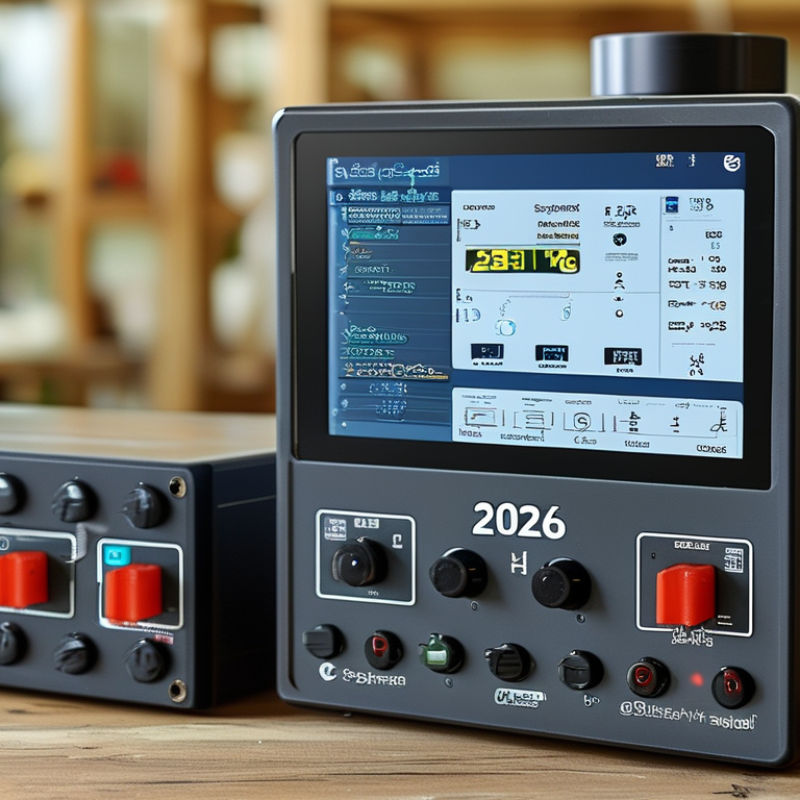
What Is a TCU Temperature Controller Machine?
A TCU temperature controller machine is a closed-loop system that heats or cools process fluid. It sends controlled water or thermal oil through molds, dies, rollers, or reactors. A typical unit combines a pump, heater, heat exchanger, temperature sensors, and PID control. The controller compares actual temperature with the setpoint, then adjusts heating or cooling output. This prevents unstable cycles and surface defects. In practical plant work, the TCU is often the quiet device behind consistent production.
Its importance is measurable. The U.S. Department of Energy reports that process heating uses about 51% of industrial manufacturing energy. A poorly sized TCU can increase cycling, energy waste, and maintenance.
PlasticsEurope’s Plastics—The Fast Facts 2024 reports global plastics production at 413.8 million tonnes in 2023. That volume makes repeatable thermal control increasingly important.
However, no TCU is automatically efficient. Flow rate, heat-loss insulation, fluid cleanliness, and mold design can change real performance. Buyers should check temperature range, control accuracy, pump capacity, pressure limits, response time, and alarm functions. Ask for test data, not only catalogue claims.
Tips: Measure the actual process load before choosing capacity. Keep sensors near the working zone. Record inlet and outlet temperatures during a full production cycle. A small mistake here can become a large energy bill. Allow operating margin, but avoid serious oversizing. Review ISO 50001 energy records when available, and require documented commissioning results from the supplier.
How Does a TCU Temperature Controller Machine Work?
A TCU temperature controller machine regulates process temperature through continuous measurement and correction. It uses sensors to read the fluid or mold temperature in real time. A controller compares that reading with the target setting. If the temperature falls, an electric heater adds heat. If it rises, a cooling valve or heat exchanger removes it. A circulation pump moves heat-transfer fluid through the machine and connected equipment.
It is a feedback loop, not a magic box. The controller keeps checking conditions several times per second. Proper fluid flow helps maintain stable temperatures across the entire circuit. In practical use, blocked filters, trapped air, or undersized hoses can cause unstable readings. A machine may display the correct temperature while the mold remains unevenly heated. That possibility deserves attention.
Tips: Check sensor placement before judging performance. Confirm the heater, pump, and cooling capacity match your process. Watch temperature trends during startup, not only the final number. Keep records of pressure, flow, and alarm events. Small detail, large effect.
Choosing a TCU requires more than comparing maximum temperature. Consider response speed, control accuracy, fluid compatibility, and service access. Ask for test data under conditions similar to your process. Real production loads often behave differently from empty-machine tests. I have found that conservative capacity estimates are safer, although they can increase initial cost. Operators should also verify calibration regularly and inspect connections for leaks or wear. Reliable control depends on maintenance as much as electronics.
How Does a TCU Temperature Controller Machine Work?
A Temperature Control Unit heats or cools a circulating fluid and continuously compares the measured outlet temperature with the target setpoint. The controller adjusts heating or cooling output to reduce the temperature difference and maintain stable process conditions.
Example profile for a water-based TCU reaching an 80°C setpoint: the fluid temperature rises during heating, slightly overshoots, and then stabilizes as feedback control modulates the system.
Which Specifications Matter When Choosing a TCU?
When choosing a TCU temperature controller machine, start with the process temperature range. The setpoint range must cover normal production and unexpected thermal loads. Accuracy and stability are different specifications. A unit may reach the target quickly but still drift during continuous operation. For many molding and laboratory processes, ask for actual stability data, not only a catalog claim. Check whether the measurement tolerance includes the sensor, controller, and fluid circuit.
Heating and cooling capacity deserve practical testing. Compare rated capacity with your material, mold, flow rate, and ambient conditions. A powerful heater is not useful if cooling remains slow. Flow rate and pump pressure also matter because narrow channels can restrict heat transfer. Confirm fluid compatibility, maximum operating pressure, and seal materials. Water systems and oil systems require different designs. Small details become expensive later.
Control functions should support real operators. Look for readable displays, adjustable alarms, over-temperature protection, leak detection, and fault history. Data logging helps verify stable production and investigate rejected parts. Electrical requirements must match the installation site, including voltage, frequency, and available current. In commissioning work, I have seen units perform well until the pump met a real process restriction. That specification was technically correct, but incomplete. Request performance tests under realistic conditions, and leave room for a mistake in your calculations. Service access, spare parts, calibration procedures, and response time should also be documented before purchase.
How to Compare TCU Heating, Cooling, and Control Systems?
Comparing TCU heating, cooling, and control systems requires more than checking the maximum temperature. The U.S. Department of Energy’s Industrial Decarbonization Roadmap reports that process heating represents about 51% of manufacturing energy use. Therefore, heater efficiency, insulation, and heat-transfer fluid selection deserve close attention. Review ramp rate, temperature range, heater capacity, and cooling performance at the actual process load. A strong specification should show values at operating conditions, not only laboratory peaks.
Cooling is often misunderstood. Ask whether the unit uses direct cooling, a secondary circuit, or a heat exchanger. Compare cooling capacity at different temperatures, flow rates, and ambient conditions. A controller may cool quickly at 80°C but struggle near 30°C. That difference matters. Check pump pressure, flow stability, filtration, and maintenance access. Small restrictions can create large temperature errors.
Control quality decides repeatability. The National Institute of Standards and Technology emphasizes measurement uncertainty and traceability in temperature measurement. Select calibrated sensors, documented accuracy, adjustable PID control, alarm records, and useful data logging. Ethernet access can help, but poor sensor placement still defeats advanced software. One practical warning: a larger heater is not always better. It may cause overshoot, energy waste, or unstable control. Trial testing with your real mold, oil volume, and production cycle remains essential. Some comparisons still rely on brochure numbers, and that is an avoidable weakness.
What Should Buyers Check Before Purchasing a TCU Machine?
Before purchasing a TCU temperature controller machine, buyers should match its temperature range with the actual process requirements. A unit designed for moderate heating may struggle during rapid cooling cycles. Check the heating capacity, cooling capacity, pump flow, pressure rating, and heat transfer fluid compatibility. Small details matter. A narrow hose can reduce performance, even when the machine appears powerful. Ask for sensor accuracy data, control response time, and alarm functions. These figures are more useful than broad marketing claims. In my experience, unstable temperature readings often come from poor sensor placement, not the controller itself.
Inspect the machine’s construction and maintenance access carefully. Stainless steel contact parts, clear drain points, and removable filters can reduce downtime. Buyers should also confirm electrical requirements, noise levels, footprint, and operating conditions before installation. Request wiring diagrams, operation manuals, factory test records, and calibration information. Reliable technical support should include practical troubleshooting, not only remote sales assistance. Test the controller with a realistic load when possible. An empty-tank demonstration can look impressive but may hide slow recovery under production conditions. Some buyers focus too much on purchase price. That can be a costly mistake. A cheaper machine may consume more energy or require frequent repairs. Still, no specification sheet predicts every factory condition, so leave room for testing and honest review.

