BLOG
What is an Air Muffler Silencer and How Does It Work?
An Air Muffler Silencer is a crucial component in many machinery and vehicles. It serves a specific purpose: reducing noise produced by exhaust systems. These silencers play a vital role in enhancing the performance of engines while ensuring a quieter operational environment.
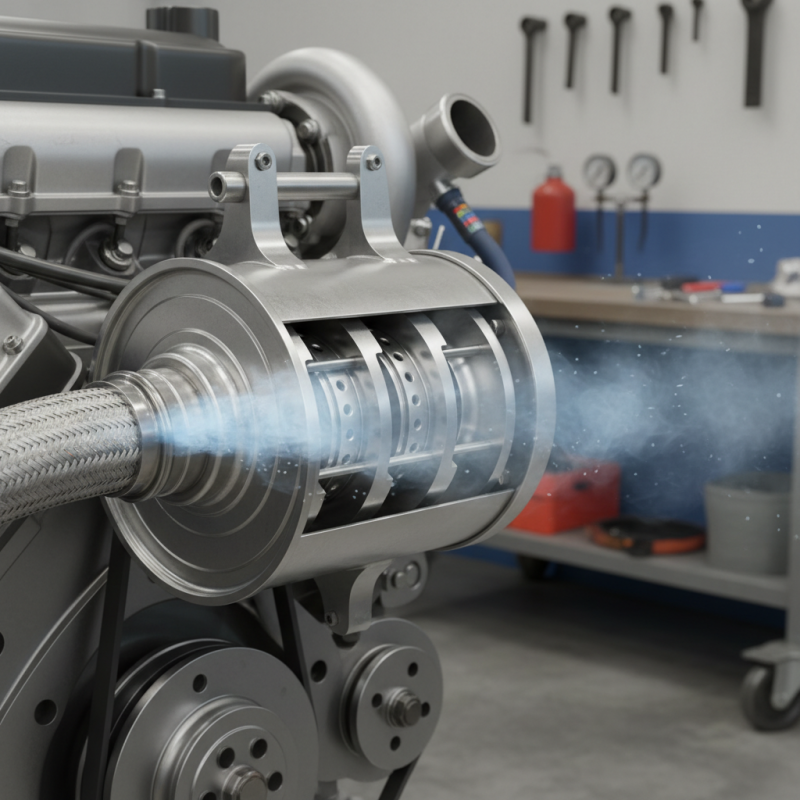
The design of an Air Muffler Silencer often includes intricate internal structures. These structures help dissipate sound waves through various chambers, leading to a remarkable decrease in noise. However, not all designs work perfectly in every situation. Sometimes, an Air Muffler Silencer may reduce too much sound, impacting engine efficiency. This balance between noise reduction and performance is delicate and often requires careful consideration.
In real-world applications, the choice of an Air Muffler Silencer can significantly affect user experience. Understanding how these devices work helps in making informed decisions. Yet, it is essential to remember that no silencer is perfect. Each has its strengths and weaknesses, prompting users to reflect on their specific needs and circumstances.
What is an Air Muffler Silencer?
An air muffler silencer is a crucial component in various machines. It is designed to reduce noise created during air compression or exhaust. This device works by redirecting and dissipating sound waves. The result is a noticeable reduction in loudness.
Typically, air mufflers are used in pneumatic systems. They can be found in compressors, tools, and other equipment. As air flows through the silencer, it passes through a series of baffles. These baffles help to trap sound waves. The design may seem simple, but its effectiveness can vary.
Choosing the right air muffler can be challenging. Factors like housing material and size play a role. An improper fit can lead to noise issues remaining. Some users may overlook installation angles, affecting performance. Paying attention to these details ensures optimal operation.

The Functionality of Air Muffler Silencers
An air muffler silencer is designed to reduce noise in various systems. It works by controlling the sound waves produced by air flow. These devices employ a series of internal chambers. As air passes through, it hits walls that dampen sound. This process transforms high-energy sound waves into lower-energy waves.
One important feature is the baffles within the silencer. They deflect sound waves, causing them to collide. This collision weakens the sound. However, the effectiveness can vary, depending on design and material. Some silencer models might not completely eliminate noise. Instead, they modify it, which can lead to a different sound profile.
While air muffler silencers are typically effective, there can be drawbacks. Installing a silencer may slightly reduce airflow. This can impact performance in certain systems. If airflow is crucial, one must evaluate the trade-offs. Sometimes, a compromise between noise reduction and efficiency is necessary. Choosing a silencer isn't just about noise; it's about balancing function and form.
Types of Air Muffler Silencers Available
Air muffler silencers are essential for reducing noise in various applications. They come in different types, each serving specific needs. The most common types include expansion chambers, resonators, and baffle mufflers.
Expansion chambers work by creating sound waves that interfere with each other. This type of silencer is often lightweight and efficient. Resonators, on the other hand, adjust the sound frequency, helping to eliminate unwanted noise. Baffle mufflers use barriers to slow down sound waves, significantly dampening noise.
Tips: Choose the right type based on your needs. Consider factors like space and noise level. Installation can be tricky, so don’t hesitate to seek help if needed.
Keep in mind that not all silencers perform the same. Some might not reduce sound as effectively as others. Experimenting might lead you to a more suitable option. Always prioritize quality over cost when choosing a silencer for better results.
Applications of Air Muffler Silencers in Various Industries
Air muffler silencers play a crucial role in various industries. These devices help to reduce noise produced by air compressors and pneumatic systems. In manufacturing plants, they ensure a quieter working environment. This not only enhances comfort for workers but also meets regulatory noise standards. Factories can improve productivity with less noise distraction.
In the automotive industry, air muffler silencers are used in assembly lines. They lessen the air noise during operations like painting and assembly. A quieter atmosphere promotes focus and reduces stress among workers. The convenience of using these silencers can be seen in maintenance areas as well. However, some users fail to recognize the importance of proper installation. Without it, the silencer effectiveness is compromised.
Healthcare facilities also benefit from air muffler silencers. High-quality machinery generates noise during processes like surgeries. Silencers help to create a calm environment necessary for patient recovery. Yet, hospitals must regularly check these devices for wear and efficiency. Ignoring maintenance can lead to increased noise levels, contradicting the purpose of using them. Each industry can see distinct advantages, but a lack of attention to detail can diminish their potential benefits.
Benefits of Using Air Muffler Silencers for Noise Reduction
Air muffler silencers are essential tools for reducing unwanted noise. They work by dissipating sound waves, allowing for a quieter environment. These devices can be particularly beneficial in industrial settings, where machinery often generates disruptive sounds. By minimizing noise, air muffler silencers create a more comfortable workspace for employees.
Using air muffler silencers has distinct advantages. For one, they significantly lower noise levels, which can enhance productivity. A quieter workspace helps employees focus better. Additionally, noise reduction reduces stress, leading to improved overall well-being. This can ultimately result in fewer workplace accidents due to distractions.
Tip: Regularly check your air muffler silencer for blockages or wear. Maintenance is key to ensuring optimal performance.
Another benefit is regulatory compliance. Many industries face strict noise regulations. Air muffler silencers can help meet these requirements, avoiding penalties. However, relying solely on these devices isn’t enough. Always assess your overall acoustic environment for potential improvements.
Tip: Combine air muffler silencers with sound-absorbing materials. This can create a more comprehensive noise management strategy.
What is an Air Muffler Silencer and How Does It Work? - Benefits of Using Air Muffler Silencers for Noise Reduction
| Feature | Description | Benefits |
|---|---|---|
| Function | Air muffler silencers reduce noise generated by air systems | Minimizes disturbances in industrial and residential settings |
| Material | Typically made of metal or durable composites | Long-lasting and withstands pressure changes |
| Installation | Can be easily installed on pneumatic equipment | Cost-effective solution with easy maintenance |
| Noise Reduction Level | Can reduce noise levels by 10-30 dB | Improves working conditions and health safety |
| Applications | Used in factories, construction sites, and workshops | Widely applicable across various industries |