10 Air Pick Buying Tips for Global Buyers
Choosing the right Air Pick is more complicated than comparing impact force and price. Global buyers must match the tool with the material, work environment, and local operating conditions. A compact model may suit light chipping, while heavy concrete removal demands stronger performance and suitable air supply.
This guide presents ten practical buying tips for international procurement teams. It examines impact rate, air consumption, shank size, vibration control, tool weight, and accessory availability. For example, a workshop using a 7-bar compressor should confirm actual airflow under load, not rely only on catalog figures. Small differences can affect productivity.
Safety and supplier reliability matter just as much. Buyers should review technical documents, quality systems, warranty terms, spare-part access, and applicable market requirements. Ask for test data when performance claims seem unclear. A low purchase price may hide expensive downtime, difficult maintenance, or unsuitable fittings.
Real conditions vary.
No checklist removes every uncertainty. Product information may be incomplete, and operator habits can change results. Therefore, request samples or arrange a controlled trial when possible. Record noise, vibration, air use, and output during testing. These observations often reveal more than polished brochures. With careful verification, global buyers can select an Air Pick that performs consistently, remains serviceable, and supports safer long-term operations.
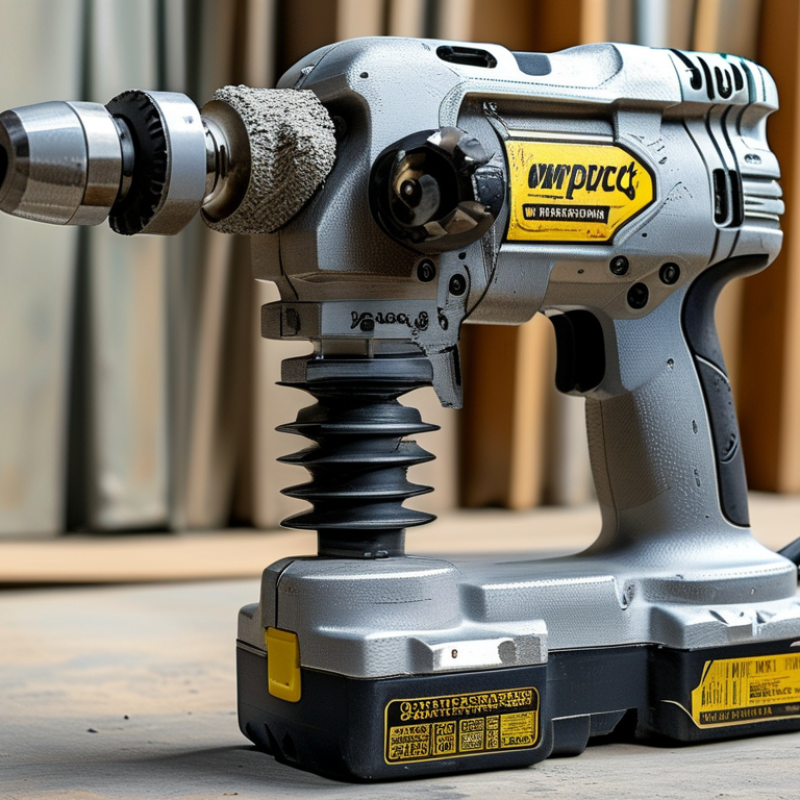
Define the Air Pick’s Purpose, Material, and Work Environment
An air pick should match the job, not simply the supplier’s catalog description. Define its purpose clearly: breaking light concrete, removing weld scale, trimming masonry, or loosening compacted material. These tasks need different impact energy, bit shapes, and control levels. A tool designed for delicate chipping may struggle with dense stone and overheat during long shifts.
Tip: Test the tool on the actual material.
Material hardness changes performance quickly. Concrete, brick, aluminum, and steel each react differently to impact. Select compatible chisels and check whether vibration could damage thin workpieces. In field evaluations, operators often focus on impact power and overlook balance. That mistake can cause hand fatigue after only thirty minutes. A shorter tool may offer better control in tight spaces, while a heavier body can support tougher breaking work.
Tip: Match the tool to the operator.
The work environment also matters. Check available air pressure, hose length, moisture, dust, temperature, and ventilation. Wet compressed air can reduce reliability, while dusty areas may demand stronger maintenance routines. A quiet indoor workshop has different needs from an exposed construction site. Confirm noise and vibration limits before purchase. These requirements vary by location. A perfect choice on paper can still disappoint during a cold morning shift. Leave room for trial use, because real handling often reveals weaknesses that specifications cannot show.
Compare Power Sources, Impact Rates, and Tool Performance
When global buyers compare Air Picks, power source should come before price. Pneumatic models deliver steady force when connected to a correctly sized compressor. They also need dry, filtered air and suitable hose capacity. Battery or electric tools simplify mobility, but runtime, charging access, and motor heat can limit output. Air is not free. Compressor electricity may dominate operating cost in long shifts.
Impact rate alone can mislead. A tool delivering 2,000 blows per minute may remove material slowly if each blow has low impact energy. Compare blows per minute, impact energy, air consumption, and operating pressure together. ISO 11148-4 provides safety requirements for handheld non-electric power tools, while ISO 28927-10 defines vibration measurement methods. Request test conditions, not only catalog figures. Otherwise, comparisons become uncertain.
Operator exposure deserves equal attention. The European Agency for Safety and Health at Work references the EU vibration action value of 2.5 m/s² A(8) and limit value of 5.0 m/s² A(8). Select tools with measured vibration data, then check actual trigger time. A lighter pick may reduce fatigue, yet a weak tool can increase contact time. That trade-off is easy to miss. I would also test one unit on the real surface, because concrete, scale, and compacted soil rarely behave like laboratory samples. Performance varies.
Check Weight, Ergonomics, Durability, and Operator Safety
10 Air Pick Buying Tips for Global Buyers
Check Weight, Ergonomics, Durability, and Operator Safety
Weight affects control, fatigue, and productivity during long breaking tasks. Compare the complete tool weight, including the hose and fittings. A lighter body is not always better. Excessive vibration can still exhaust an operator quickly.
Hold the air pick before purchasing whenever possible. The grip should feel balanced, even with gloves. Controls must remain easy to reach without twisting the wrist. Check whether the handle reduces cold transfer and vibration. Small details matter. An awkward trigger can cause unsafe hand pressure after several hours.
Durability depends on more than a strong outer shell. Request information about cylinder materials, seal performance, and impact resistance. Ask for test records under dusty, wet, or low-temperature conditions. Confirm that replacement parts are available in the target market. Service delays can stop a project.
Operator safety requires more than protective equipment. Look for secure hose connections, controlled exhaust, and a design that limits accidental starting. Inspect the noise and vibration data carefully. Measurements taken in a laboratory may not match a crowded worksite. That gap deserves attention. Also verify training guidance, maintenance instructions, and inspection intervals in clear language. A tool can meet specifications yet perform poorly when users cannot understand its controls. Pilot testing with actual operators often reveals uncomfortable grips, slippery surfaces, or tiring balance before a large purchase.
10 Air Pick Buying Tips for Global Buyers
Compare tool weight by duty class, then verify ergonomics, durability, air requirements, vibration, and operator-safety features against the supplier’s technical datasheet.
Weight benchmark: Representative non-branded air-pick specifications commonly place compact tools around 2–4 kg, general-duty tools around 4–7 kg, and heavy-duty tools around 7–12 kg. Lower weight can improve handling, but the correct choice must also match the required impact power and work material.
Ergonomics
Check balance, handle grip, trigger access, hose routing, and whether the tool can be controlled comfortably during repeated work.
Durability
Review housing materials, piston and valve construction, sealing quality, lubrication requirements, and spare-parts availability.
Operator Safety
Confirm throttle protection, anti-vibration design, noise information, air-line fittings, and recommended eye, hearing, hand, and foot protection.
Global Purchasing Checks
Verify metric and imperial connection options, operating pressure, air consumption, documentation, warranty terms, and regional compliance requirements.
Evaluate Standards, Maintenance Needs, Spare Parts, and Support
When selecting an air pick, global buyers should verify standards before comparing impact force. ISO 11148-4 covers safety requirements for non-rotary percussive tools. ISO 4414 addresses pneumatic system safety. Check certificates, test methods, and regional approval documents. Marketing claims can look precise, yet testing conditions may differ.
Tip: Ask for air consumption at a stated pressure, not only maximum power. The U.S. Department of Energy’s Compressed Air Sourcebook reports that leaks may waste 20–30% of compressor output. Inspect couplers, hoses, and seals before each shift. Keep a simple log of pressure, oiling, vibration, and unusual noise. A perfect checklist is impossible. Missed details still happen.
Tip: Confirm spare-part availability before purchase. Common needs include springs, valves, retainers, seals, and tool bits. Request part numbers, storage guidance, and realistic delivery times. Support should include service manuals, troubleshooting help, operator training, and repair response targets. In remote sites, local inventory matters more than a low purchase price. I have seen equipment sit idle because one inexpensive seal was unavailable. Buyers should also check noise and vibration data, since poor control can increase fatigue and shorten working hours. Use documented measurements, not verbal promises.

