Top 5 Benefits of Using Blue Shade Net in Agriculture?
In recent years, the use of Blue Shade Net in agriculture has gained significant attention. Experts like Dr. Emily Carter, a renowned agricultural scientist, emphasize its importance. She stated, "Blue Shade Net can transform crop production by optimizing light conditions." This statement highlights the profound impact that proper shading can have on plant growth.
Farmers are increasingly recognizing the benefits of Blue Shade Net. By providing controlled light exposure, it helps in reducing heat stress while promoting better yields. The netting material protects crops from harsh sunlight and intense heat, which can be detrimental, especially in summer months. This results in healthier plants and ultimately higher profits.
However, there are challenges. Selecting the right shade percentage for different crops requires experience and careful observation. Some farmers might overestimate their plants' needs, leading to underperformance. It's crucial to find a balance to maximize the advantages of using Blue Shade Net effectively. With continued learning and adaptation, the agricultural community can fully harness the potential of this innovative product.
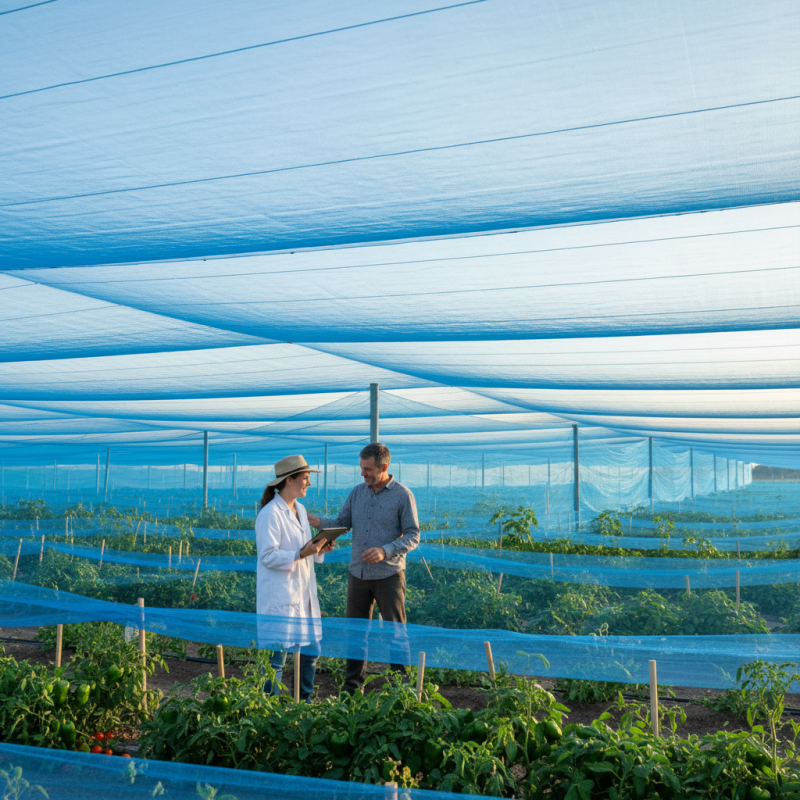
Benefits of Blue Shade Nets in Reducing Crop Heat Stress
In agriculture, crop heat stress can severely impact yields. Blue shade nets have emerged as a practical solution to mitigate this issue. These nets provide essential protection against intense sunlight. Specifically, they help reduce the temperature around crops, creating a more favorable microclimate. This temperature reduction can enhance plant growth and overall health.
Farmers have reported notable improvements in crop resilience when using blue shade nets. For example, many observe a decrease in wilting during hot summers. The nets allow for filtered light, which promotes photosynthesis without the damaging effects of direct sunlight. This balance is vital for crops like tomatoes and peppers, which thrive under specific conditions.
While the benefits are clear, there are challenges. Installation requires careful consideration of crop type and local climate. Additionally, the initial investment can be daunting. Farmers must weigh these factors against the potential long-term rewards. Adopting blue shade nets can lead to improved productivity, but understanding how to implement them effectively is crucial for success.
Enhancement of Crop Growth and Yield with Blue Shade Nets
Blue shade nets offer several advantages in agriculture, particularly in enhancing crop growth and yield. These nets regulate light intensity, allowing crops to receive the optimal amount of sunlight necessary for photosynthesis. Blue light, in particular, encourages leaf expansion and improves overall plant health. As a result, farmers often see increased growth rates and higher productivity.
Using blue shade nets can also protect crops from harsh weather. They shield plants from excessive heat and UV radiation, reducing the risk of sunburn and heat stress. This protective layer helps maintain moisture levels in the soil, promoting healthier root systems. It can be especially useful during peak sun exposure periods.
**Tips:** To maximize the benefits of blue shade nets, consider the specific needs of your crops. Align the netting density with plant growth stages. Monitor temperature and humidity regularly under the nets. Proper placement is crucial, too. Ensure that air can circulate freely around the plants to prevent mold or disease. Always assess the local climate while choosing netting strategies. Experimentation may lead to better yield results.
Top 5 Benefits of Using Blue Shade Net in Agriculture
| Benefit | Description | Impact on Crop Growth | Impact on Yield |
| Light Regulation | Provides optimal light intensity for photosynthesis. | Enhances overall plant health and vigor. | Increases potential yield by up to 20%. |
| Temperature Control | Reduces temperature fluctuations around the plants. | Promotes faster growth rates. | Improves crop quality, leading to higher market prices. |
| Pest Control | Acts as a physical barrier against pests. | Reduces crop damage and stress. | Potential yield increase of 15% due to less pest interference. |
| Water Conservation | Minimizes evaporation and retains soil moisture. | Enhances roots’ access to necessary water. | Can yield up to 30% more during dry seasons. |
| UV Protection | Blocks harmful UV radiation. | Prevents sunburn and stress on crops. | Can lead to a higher overall crop yield by maintaining plant integrity. |
Protection Against Harmful UV Radiation for Plants
Using blue shade net in agriculture offers numerous benefits, particularly in shielding plants from harmful UV radiation. This type of netting effectively filters sunlight, providing a balanced light spectrum. With reduced UV exposure, plants are less stressed and can thrive more robustly. This protective barrier helps in preventing sunburn, which is critical for sensitive crops. A more stable environment allows for optimal growth and flowering, leading to better yields.
Farmers have observed that using blue shade net not only safeguards plants but also conserves moisture. In areas where the sun is relentless, crops can easily dry out, leading to significant losses. The shade offered by the net retains soil moisture, which supports healthy roots and reduces irrigation needs. This aspect is often overlooked but is vital for sustainable farming.
While blue shade net provides many advantages, it is essential to consider potential challenges. Effective installation is crucial; if not properly secured, wind can cause damage. Furthermore, over-reliance on shade nets might limit natural light. Each farmer must assess their unique conditions and choose the appropriate shading solution. Engaging with local agricultural experts can provide tailored insights, ensuring that the netting meets the specific needs of the soil and crops involved.
Top 5 Benefits of Using Blue Shade Net in Agriculture
Improved Pest Control and Disease Management Using Shade Nets
Using blue shade nets can significantly enhance pest control and disease management in agriculture. These nets create a unique microclimate that can deter pests, as many insects are sensitive to specific light wavelengths. The blue hue often confuses pests, reducing their activity and feeding. Consequently, crops are less likely to suffer from pest-related damage.
Farmers should consider proper installation techniques. Ensure that nets are securely fastened to prevent any gaps. Gaps can invite pests, defeating the purpose of using shade nets. Additionally, regularly inspect the nets for wear and tear, as damaged sections may require replacements.
Another tip is to combine the use of blue shade nets with biological pest control methods. Introducing beneficial insects can work synergistically with the nets. This approach can create a multifaceted defense against pests while minimizing the need for chemical interventions. Monitor the overall health of the crops, as well. Healthy plants are more resilient to diseases, even with pests present.
Cost-Effectiveness of Blue Shade Nets in Agricultural Practices
Blue shade nets have gained popularity in agriculture due to their cost-effectiveness. They are an affordable solution for farmers looking to maximize crop yield while minimizing expenses. These nets provide essential protection against harsh weather conditions, which can impact plant growth. By using blue shade nets, farmers can reduce their reliance on chemical treatments that usually add to costs.
Additionally, these nets help regulate temperature and light, creating an optimal growing environment. This can lead to increased productivity throughout the growing season. Farmers can achieve higher quality crops, resulting in better market prices. However, it is vital to consider maintenance costs. Over time, nets may require repair or replacement, which can impact their overall affordability.
Investing in blue shade nets can be a dilemma for some farmers. Initial costs might seem high to manage. The uncertain return on investment can also cause hesitation. Nonetheless, when carefully planned, blue shade nets can prove to be a savvy investment for many agricultural operations. As more farmers share their experiences, understanding these versatile tools will enhance decision-making in agriculture.

