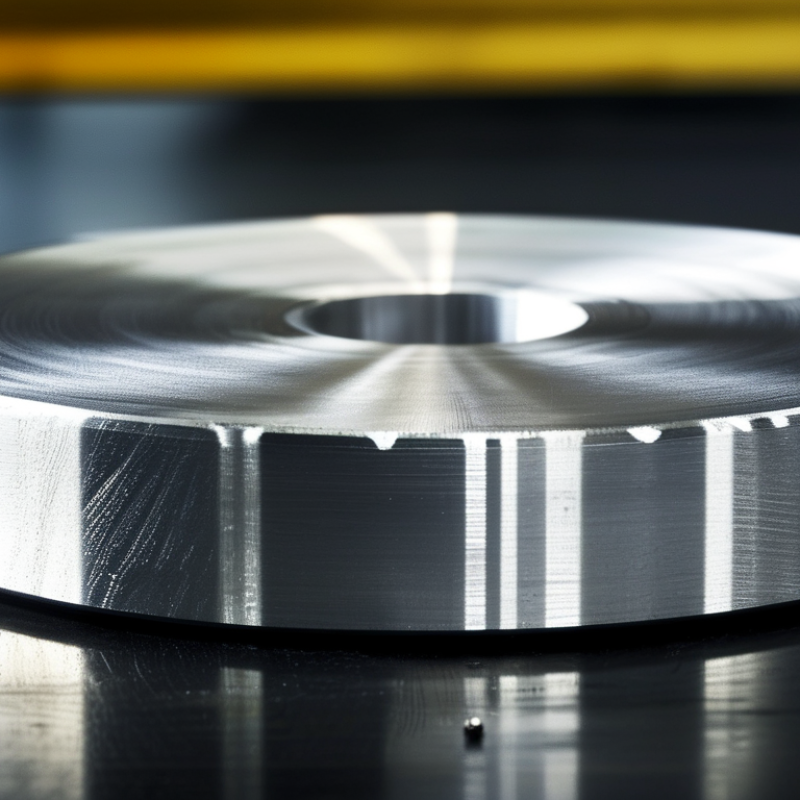
Top Benefits of Using Tungsten Target for Your Business?
In the ever-evolving landscape of business, choosing the right materials is crucial. One such material garnering attention is the Tungsten Target. This is not just a trend; it's a strategic choice that can enhance performance.
Tungsten Targets provide several advantages that can significantly impact various industries. Their exceptional durability leads to reduced costs over time, making them a worthy investment. Moreover, they offer superior thermal and energy management. However, it’s essential to consider the initial investment. While the upfront cost is higher than alternatives, the long-term benefits can outweigh this concern.
Selecting a Tungsten Target means embracing innovation. Yet, this choice might not suit every business model. Identifying specific needs is vital. Businesses must weigh the pros and cons carefully. Ultimately, a well-informed decision can lead to greater efficiency and reliability.
Advantages of Tungsten Targets in Industrial Applications
Tungsten targets have gained attention in industrial applications due to their unique properties. These targets exhibit exceptional hardness, which is vital for high-energy processes. According to a recent industry report, tungsten’s density is nearly 1.7 times that of steel. This feature enhances durability in various applications, reducing the frequency of replacement.
In high-temperature environments, tungsten maintains its structural integrity better than many materials. A study indicated that tungsten could withstand temperatures above 3,400 degrees Celsius without losing its properties. This resilience makes it suitable for applications in sectors like aerospace and defense.
The energy efficiency of tungsten in processes like sputtering is also noteworthy. These targets can produce thinner films with rapid deposition rates. Nonetheless, using tungsten comes with challenges. Costs can be higher than traditional materials, and sourcing them responsibly remains a concern. Companies must weigh the benefits against these potential drawbacks.
Enhanced Durability of Tungsten Targets for Long-term Use
Tungsten has emerged as a preferred material for targets in various industrial applications. The enhanced durability of tungsten targets makes them a reliable choice for businesses aiming for longevity and efficiency. Studies indicate that tungsten can withstand high temperatures and resist wear better than many other materials. In fact, reports show that tungsten targets can last up to three times longer than their counterparts made from aluminum or copper. This lifespan translates into significant savings on material costs and replacement needs.
Moreover, tungsten's resistance to corrosion adds an extra layer of value. Businesses benefit from reduced downtime, as there’s less frequent need for replacements. Regular maintenance intervals can also be extended, contributing to overall operational efficiency. However, businesses must consider the initial investment costs. While tungsten targets may have higher upfront prices, the long-term benefits outweigh these initial expenses.
Tip: When selecting a tungsten target, assess your specific industry needs. Evaluate the working environment and projected usage. This can provide insight into the most suitable options.
In practical terms, it's important to monitor performance over time. Even the best materials can develop issues that require attention. Regular evaluations can help identify potential problems before they escalate. Balancing durable materials with vigilant oversight creates the most effective strategy for business success.
Top Benefits of Using Tungsten Target for Your Business
| Benefit | Description | Impact on Business |
| Enhanced Durability | Tungsten targets have superior resistance to wear and deformation, ensuring long-lasting performance. | Reduces replacement costs and downtime. |
| High Melting Point | With a melting point over 3000°C, tungsten targets maintain integrity under extreme conditions. | Enables use in high-temperature applications without performance loss. |
| Cost-Effectiveness | Although initially more expensive, the long-term savings through durability are significant. | Increased budget flexibility over time due to lower operational costs. |
| Environmental Benefits | Tungsten is a non-toxic, recyclable material, making it an eco-friendlier option. | Enhances corporate sustainability image, attracting eco-conscious customers. |
| Consistency in Performance | Provides stable performance characteristics even after extensive use. | Ensures quality control and product reliability, increasing customer trust. |
Cost-effectiveness of Tungsten Targets in Manufacturing Processes
Tungsten targets are gaining attention for their cost-effectiveness in manufacturing processes. These targets provide an efficient way to enhance production while reducing expenses. Their high melting point and durability contribute to longer lifespans, minimizing the need for frequent replacements. Thus, the initial investment in tungsten pays off over time.
Using tungsten can streamline operations. When production tools rely on materials that wear out quickly, costs can skyrocket. Tungsten's ability to withstand intense conditions allows businesses to maintain high productivity, resulting in fewer disruptions.
Tip: Regular maintenance checks can prolong the lifespan of tungsten targets even further. A consistent review of equipment performance can lead to unexpected savings.
Additionally, tungsten's excellent thermal conductivity improves energy efficiency. Companies can reduce their energy consumption by ensuring heat is managed effectively. This not only lowers utility bills but also promotes a more sustainable business model.
Tip: Training staff on proper usage of tungsten can prevent costly errors. Knowledgeable employees can maximize the benefits of this valuable material.
Improved Precision and Efficiency with Tungsten Target Technology
Tungsten target technology is revolutionizing precision in various industries. Its high density and high melting point make it ideal for applications requiring sustained performance. When using tungsten, companies can achieve more accurate results, minimizing errors in production processes. This leads to significant resource savings and reduced waste.
The efficiency of tungsten targets is remarkable. With their ability to withstand extreme conditions, they excel in environments where other materials fail. However, the transition to tungsten is not without challenges. Companies may face initial costs and a learning curve for proper implementation. It’s crucial to understand the specific needs of your operations before making this switch.
Incorporating tungsten targets can enhance productivity, but continual assessment is necessary. Businesses should monitor performance and adapt their strategies accordingly. Embracing this technology is a step toward better outcomes, yet it requires commitment and ongoing evaluation for long-term benefits.
Comparison of Tungsten Targets to Alternative Materials in Business Usage
Tungsten targets offer distinct advantages over alternative materials like molybdenum and aluminum. In industries such as semiconductor manufacturing, tungsten demonstrates superior thermal conductivity. According to a 2022 report by the International Journal of Materials Science, tungsten's thermal conductivity is approximately 170 W/m·K, which is significantly higher than molybdenum's 138 W/m·K.
Tungsten’s density contributes to its effectiveness in X-ray generation. The dense atomic structure of tungsten allows for higher yield and better image resolution. A study published in the Journal of Applied Physics found that tungsten targets could enhance X-ray efficiency by up to 30% compared to aluminum. This efficiency factor can lead to substantial cost savings in production.
However, it's essential to consider the trade-offs. The initial investment for tungsten targets is noticeably higher. This can deter new businesses from adopting them. It's vital for organizations to evaluate long-term benefits against upfront costs. While tungsten targets are highly durable and last longer, the initial expense is a key factor needing careful consideration. Balancing immediate costs with potential efficiency gains is crucial for informed decision-making.