Top 10 Benefits of X Ray Food Inspection for Global Suppliers?
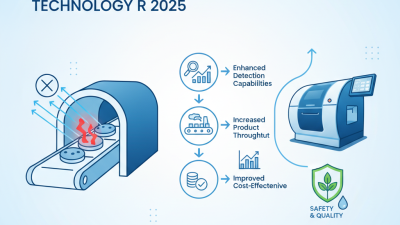
In today's global market, food safety is a paramount concern for suppliers. X ray food inspection has emerged as a critical tool. It offers numerous benefits that enhance quality control and ensure consumer safety. By detecting contaminants and foreign objects, this technology helps maintain high standards in food production.
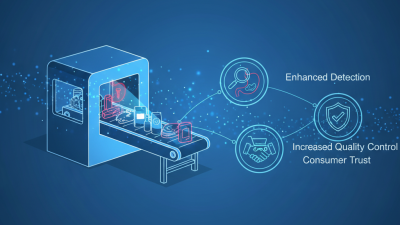
X ray food inspection is not merely about compliance; it fosters consumer trust and brand loyalty. Suppliers who adopt this technology can provide evidence of safety and quality. This can differentiate them from competitors. Yet, the implementation of X ray food inspection is not without challenges. It requires initial investment and ongoing maintenance.
Additionally, the technology must be integrated into existing processes. Suppliers often need training and support to maximize its effectiveness. These hurdles can be daunting, but the rewards are significant. By overcoming these obstacles, suppliers can safeguard their products and enhance their reputation in the market.
Benefits of Enhanced Food Safety Through X Ray Inspection
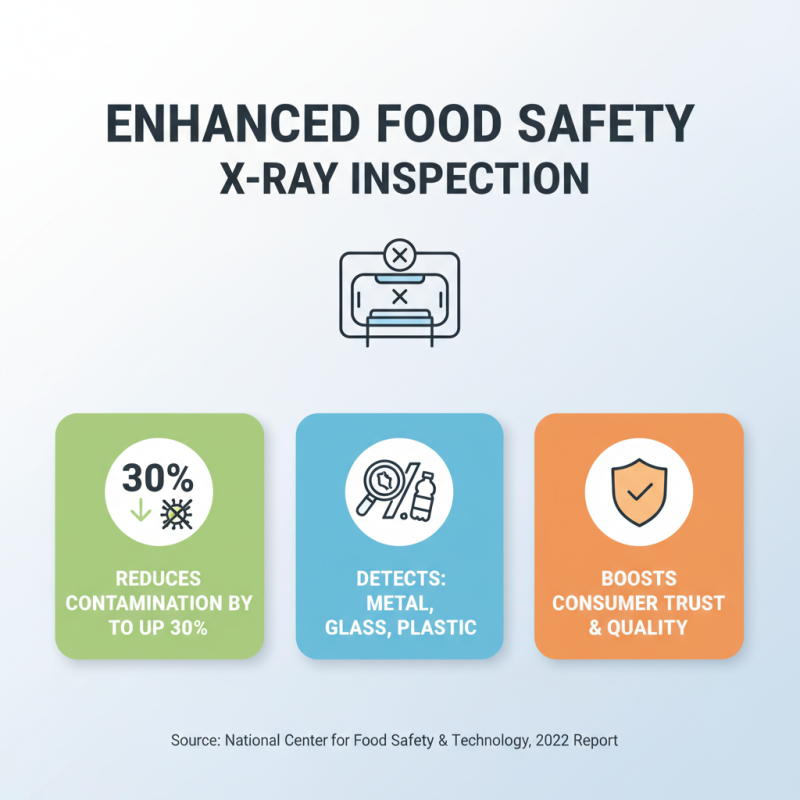
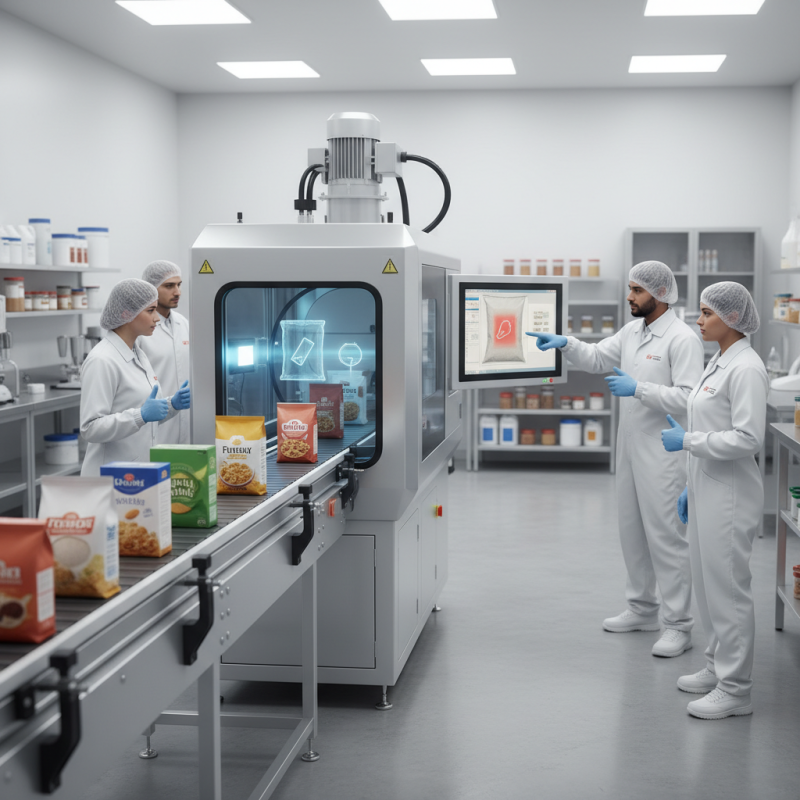
Enhanced food safety through X-ray inspection has become a vital aspect for suppliers worldwide. According to a 2022 report by the National Center for Food Safety and Technology, implementing X-ray inspection can reduce contamination rates by up to 30%. This significant decrease highlights the method's effectiveness in detecting foreign objects such as metal, glass, and plastic. Suppliers embrace these insights, as food safety remains paramount in today's market.
The technology not only improves safety but also increases operational efficiency. X-ray systems can process food products faster than manual inspection. This speed allows suppliers to maintain higher production rates, which is essential for meeting the growing demand. Research from Food Safety News indicates that companies employing X-ray inspection saw a 20% uptick in production efficiency. However, transitioning to this technology requires a careful evaluation of existing processes. Training staff and integrating new machinery can present challenges.
There are some critical limitations to consider. X-ray inspection might not detect all types of potential contaminants, particularly those that are similar in density to the food product. Additionally, the initial investment can be considerable. Continuous assessment of technology performance is necessary to ensure that suppliers can adapt to any unforeseen shortcomings. The commitment to keeping food safe is an ongoing endeavor, requiring suppliers to stay informed and agile.
Streamlining Quality Control Processes with X Ray Technology
Quality control is a critical aspect of the food supply chain. X-ray technology offers a reliable method for enhancing these processes. By utilizing X-ray food inspection, global suppliers can quickly identify contaminants and foreign objects in their products. This technology helps ensure that food safety standards are met consistently.
Implementing X-ray systems can streamline operations. With real-time analysis, suppliers reduce the chances of human error. The ability to detect issues early prevents costly recalls.
However, integrating this technology may require initial investment and training. The staff must understand how to interpret the images correctly.
Moreover, while X-ray food inspection provides numerous benefits, its effectiveness relies on proper calibration and maintenance. Regular check-ups are essential for optimal performance. Suppliers must continuously evaluate their processes to ensure that X-ray systems are used effectively. Balancing technology with human oversight remains vital for achieving the best results in quality control.
Detecting Contaminants and Foreign Objects in Food Products
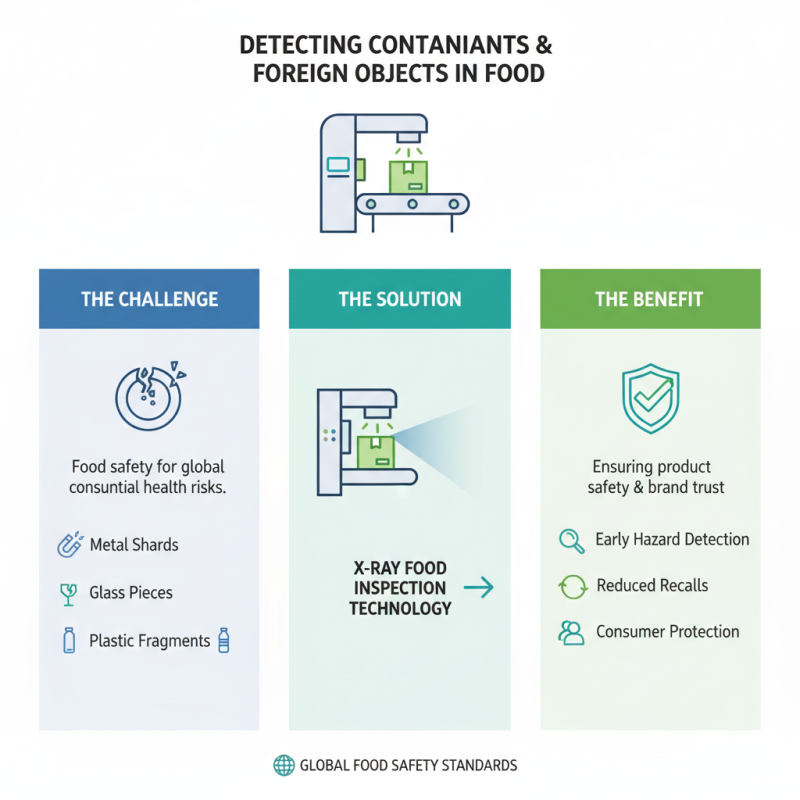
X-ray food inspection plays a critical role in ensuring food safety for global suppliers. This technology effectively detects contaminants and foreign objects in food products. Contaminants may include metal shards, glass pieces, or plastic fragments. These items can pose serious health risks to consumers. By utilizing X-ray technology, suppliers can identify these hazards before products reach the market.
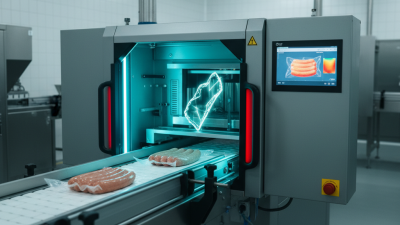
The ability to detect foreign objects enhances the reliability of food products. A clear image allows for thorough examination. For instance, if a supplier discovers a strange object in a batch of packaged meat, they can take immediate action. This prevents potential injuries and protects the brand’s reputation. However, challenges exist. Not all contaminants are easily visible, and sometimes human error occurs during the inspection process. This underscores the need for regular training and updated protocols.
Another benefit of X-ray inspection is its capability to analyze internal structures. This reveals details about product composition and packaging integrity. Suppliers can monitor product quality over time. However, this doesn’t eliminate the need for other safety checks. A multi-faceted approach is essential in maintaining food safety. Each inspection must be methodical and meticulous to be effective. While technology aids in spotting hazards, reflecting on its limitations is just as vital.
Supporting Compliance with Global Food Safety Regulations
In today's global food supply chain, compliance with food safety regulations is critical.
X-ray food inspection serves as a vital tool to ensure safety and quality. It detects foreign objects, potential contaminants, and improper packaging that could endanger consumers. Suppliers often face challenges in meeting stringent safety standards. Skipping this step can result in costly recalls and damage to reputation.
Implementing X-ray technology enhances transparency in operations. This technology offers a non-destructive way to inspect food products. It reveals hidden hazards that other methods may miss. For instance, it identifies metal, glass, and plastic fragments within packaged foods. Suppliers can eliminate risks and comply with regulations more effectively.
However, deploying such technology is not without its challenges. Some may find it costly to implement or maintain. The integration of this technology requires training staff and overhauling existing systems. Ensuring accuracy demands regular maintenance and calibration. Suppliers must weigh the costs against the benefits of maintaining high safety standards. This reflection is crucial for long-term success in the competitive market.
Improving Consumer Trust and Brand Reputation in the Market
In today's competitive market, consumer trust is paramount. X-ray food inspection plays a key role in enhancing this trust. By ensuring the integrity of food products, suppliers can demonstrate their commitment to safety and quality. This inspection method detects contaminants and foreign objects, reassuring consumers about what they eat. When a product is scanned and cleared, it strengthens consumer confidence.
Brand reputation can significantly benefit from reliable inspection practices. A single incident of contamination can tarnish a brand's image. Regular use of X-ray technology helps create a consistent safety record. As a result, brands become synonymous with quality and dependability. Additionally, transparency in safety practices builds a loyal customer base.
While implementing such technology is not without challenges, the long-term gains outweigh the initial hurdles. Suppliers need to invest in equipment and training. However, these efforts will lead to less product rejection and improved customer satisfaction. This journey is not perfect; suppliers must constantly adapt and refine their processes to maintain high standards.
Top 10 Benefits of X Ray Food Inspection for Global Suppliers