2026 Best Broiler Cage System for Efficient Poultry Farming?
In the dynamic world of poultry farming, the Broiler Cage System has emerged as a crucial element for success. As farmers strive for efficiency and productivity, they seek systems that optimize space and improve animal welfare. The 2026 Best Broiler Cage System promises to address these needs, blending innovation with practicality.
Many farmers have faced challenges with conventional setups. High mortality rates and inadequate space often hinder growth. A well-designed Broiler Cage System can mitigate these issues. Through intelligent design, it maximizes the use of vertical space, allowing more birds in a confined area without compromising their comfort.
However, it's essential to reflect on the industry’s diverse needs. Not every system suits every farm. Farmers should assess their specific conditions and goals. Adopting the right Broiler Cage System can lead to better results. With careful consideration, poultry farmers can embrace the future of sustainable and efficient farming.
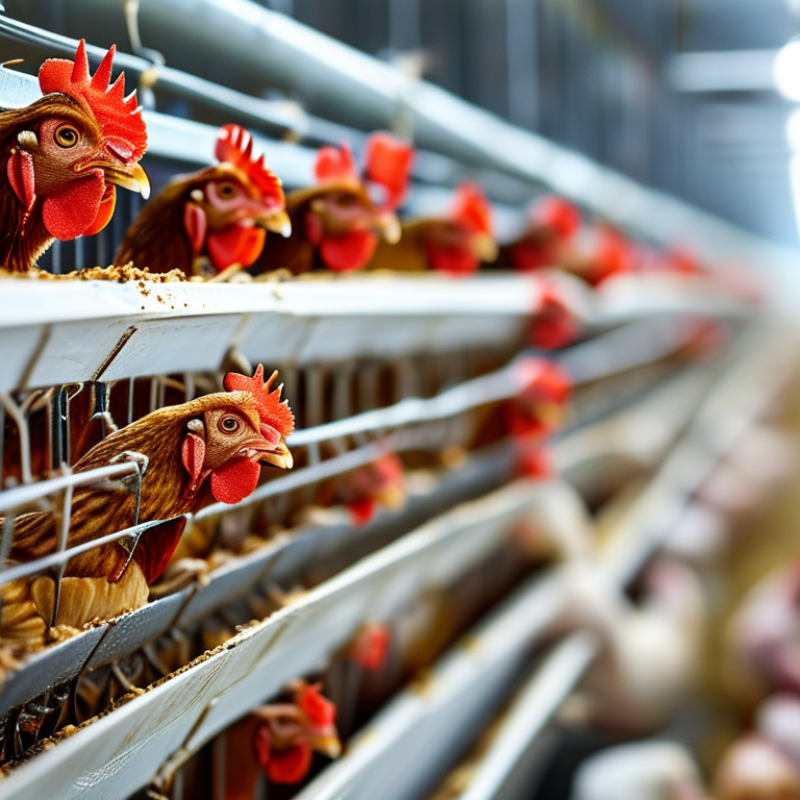
Overview of Broiler Cage Systems in Poultry Farming
Broiler cage systems have become a vital component in modern poultry farming. These systems maximize space utilization, allowing farmers to raise a larger number of birds in a confined area. Efficient design features, such as tiered stacking, contribute to significantly higher production rates. Optimal ventilation and climate control ensure that birds remain comfortable, promoting better growth and health.
However, the use of cage systems is not without challenges. Welfare concerns arise regarding the living conditions of broilers. Birds often have limited movement, which may impact their natural behaviors. Farmers must carefully balance productivity with animal welfare. Ongoing research indicates that improving cage designs could enhance both efficiency and the quality of life for these birds.
Integrating technology can also play a role in evolving broiler cage systems. Automated feeding and watering systems can reduce labor and ensure consistent access to resources. Nevertheless, investment costs for such advancements can be high. Producers need to assess the long-term benefits against the initial expenses. This reflective approach helps them make informed decisions about their operations, paving the way for sustainable poultry farming practices.
Key Features of the Best Broiler Cage Systems
Choosing the best broiler cage system is essential for efficient poultry farming. Key features make a significant difference in productivity. The right system should ensure optimal space, allowing for healthy growth. Good ventilation is crucial. It helps maintain the right temperature and reduces humidity. A clean environment supports the birds’ health.
Consider the material used for cage construction. Galvanized steel is a reliable choice as it is durable and rust-resistant. This ensures longevity, reducing overall replacement costs. Additionally, the design should facilitate easy cleaning. Maintaining hygiene prevents diseases and promotes better growth rates.
Here are some tips for selecting a broiler cage system. Always assess the system's layout. A poor layout can lead to overcrowding and stress among the birds. Look for adjustable feeders and drinkers. This flexibility supports various stages of growth. Lastly, consult experts to evaluate your specific needs. Their insights can help identify the most effective system for your farm.
2026 Best Broiler Cage System for Efficient Poultry Farming
| Feature | Description | Benefits |
| Space Efficiency | Multi-tiered cages that maximize the use of vertical space. | Increased production capacity in limited space. |
| Ventilation System | In-built fans and airflow management systems. | Improved air quality and reduced heat stress. |
| Feeding System | Automated feeding with adjustable troughs. | Consistent feed access and reduced waste. |
| Watering System | Nipple drinkers that minimize water spillage. | Cleaner environment and improved water conservation. |
| Ease of Management | Features like access doors and cleaning trays. | Time-saving maintenance and easier monitoring. |
Comparison of Different Broiler Cage Types for 2026
The poultry industry is evolving rapidly, with cage systems becoming central to broiler production. The right cage type can significantly influence both productivity and welfare. According to a 2023 report from the World Poultry Science Association, nearly 70% of broiler producers are shifting to enriched cage systems. These systems offer better space allocation and improved ventilation, enhancing both growth rates and bird health.
Among the various cage types, the multi-tier system is gaining traction. With vertical stacking, these cages utilize space efficiently, allowing for higher stocking densities. A study from the American Poultry Institute highlights that multi-tier systems can increase output by up to 30% compared to traditional floor systems. However, some farmers express concerns about the initial investment and the need for thorough maintenance to avoid health issues.
Alternatively, free-range systems are also emerging, appealing to markets focused on animal welfare. They allow birds to exhibit natural behaviors but often yield lower productivity. A significant point of reflection is balancing efficiency with animal rights. The industry's push for sustainability must consider both profitability and ethical practices. This dichotomy shapes the future of broiler production.
Benefits of Using Automated Systems in Broiler Cages
Automated systems in broiler cages offer numerous advantages for poultry farming. These systems provide precise feeding schedules, ensuring birds receive the right nutrients at optimal times. This targeted approach can lead to better growth rates and healthier flocks. Moreover, automated environmental controls help maintain ideal temperatures and humidity levels, which are critical for broiler welfare.
Efficiency is another key benefit. Automated systems reduce the need for manual labor, allowing farmers to allocate resources more effectively. However, dependence on technology can lead to challenges. Technical issues may arise unexpectedly, potentially impacting bird health. Regular maintenance and staff training are crucial to mitigate these risks.
Implementing automated systems creates data-driven insights into flock management. With real-time monitoring, farmers can track growth patterns and adjust feeding strategies accordingly. Still, some may find it overwhelming to adapt to new technologies. Transitioning requires time and effort, but the long-term benefits often outweigh initial hurdles. Adopting automation can be a game changer in efficient poultry farming.
Considerations for Selecting a Broiler Cage System for Efficiency
Selecting the right broiler cage system is crucial for efficiency in poultry farming. An effective system should enhance production while ensuring the welfare of the birds. According to a report by the Food and Agriculture Organization (FAO), a well-designed cage system can increase broiler production rates by up to 30% compared to traditional methods. This highlights the importance of careful selection.
When evaluating options, consider the space and ventilation each cage provides. Overcrowding stresses chickens and may reduce their growth rates. The World Poultry Science Association indicates that each broiler needs at least 0.1 square meters of space for optimal health. Systems that incorporate automatic feeding and watering mechanisms are beneficial. They save labor and ensure that birds receive adequate nutrition consistently.
Nonetheless, not all systems are perfect. Some may require costly maintenance or specific training for staff. It's crucial to reflect on the long-term costs versus short-term gains. While modern systems offer advanced technology, farmers should evaluate their unique needs and local conditions. Investing in training for staff can mitigate potential issues with equipment. Remember, efficiency isn’t solely about technology; it also involves understanding the birds and their environment deeply.

