What is the Best OCPP Smart EV Charger for Global Buyers?
The global electric vehicle (EV) market is rapidly expanding, driven by environmental concerns and technological advancements. According to a report from the International Energy Agency, EV sales could reach 23 million units annually by 2030. This surge heightens the demand for efficient charging solutions, particularly the OCPP Smart EV Charger. These chargers are pivotal for enhancing compatibility across different EV models while maintaining scalable infrastructure.
Dr. Sarah Thompson, a leading expert in EV infrastructure, states, "Pioneering smart charging technology will define the future of electric mobility." This sentiment underscores the importance of selecting high-quality OCPP Smart EV Chargers for both consumers and businesses. Many buyers may find it challenging to choose the best options amid numerous offerings.
In this evolving landscape, some chargers may lack certain features or interoperability. This can lead to suboptimal user experiences. Buyers must navigate these imperfections, weighing the balance between innovative technology and practical usability. As demand grows, so does the need for reliable and effective OCPP Smart EV Chargers that cater to diverse global markets.
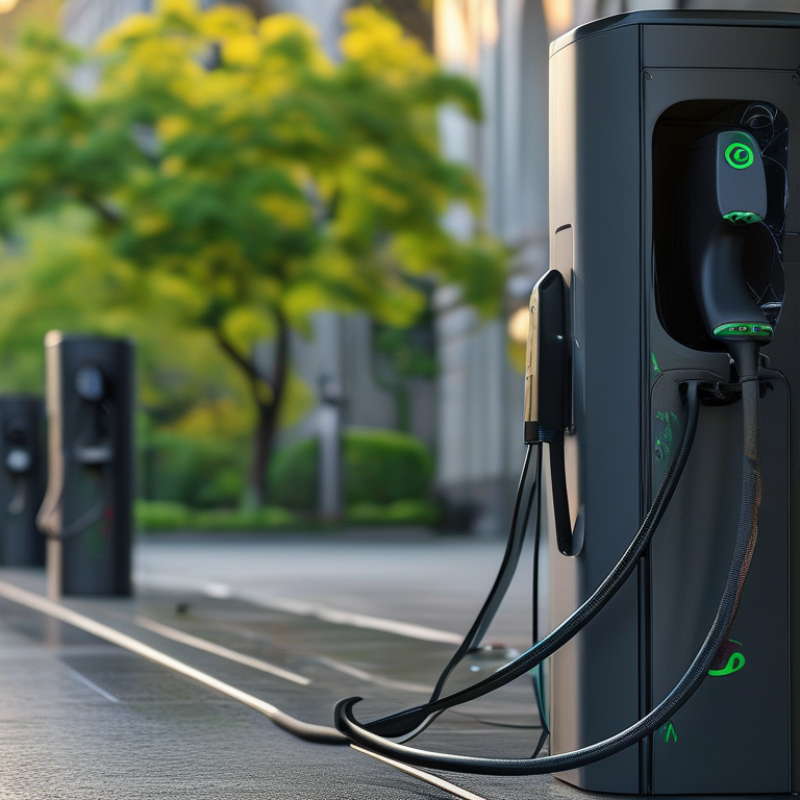
What is OCPP and Its Relevance to Smart EV Charging Solutions
The Open Charge Point Protocol (OCPP) is gaining traction in the electric vehicle (EV) charging landscape. It is an open-source protocol that facilitates communication between EV chargers and central management systems. This flexibility ensures interoperability. According to a report by the International Energy Agency (IEA), global EV sales increased by 40% in 2020, underscoring the need for efficient charging solutions. OCPP allows for scalability, meaning that as more chargers are integrated, they can communicate seamlessly.
Adoption of OCPP also supports new features, such as remote monitoring and diagnostics. The market for smart EV chargers is expected to reach over $27 billion by 2027. That growth hinges partly on protocols like OCPP. However, some installations are still limited by compatibility issues. As more manufacturers embrace the protocol, this challenge may diminish. Data shows that high-quality chargers can speed up charging times, benefiting consumers and fleet operators alike. Yet, the industry must remain vigilant against potential cybersecurity risks associated with these connected devices.
Key Features to Look for in OCPP Smart EV Chargers
When choosing an OCPP smart EV charger, several key features stand out. Compatibility with various EV models is essential. Ensure the charger supports the specific vehicles you plan to charge. A flexible charging capacity allows for varied charging needs, helping users optimize their energy consumption.
Connectivity options play a significant role in a charger's functionality. Look for chargers that offer Wi-Fi, Ethernet, or mobile data options for enhanced connectivity. This helps in remote monitoring and control, making charging more convenient. Security features, including encryption and authentication, should not be overlooked. They ensure that both your vehicle and personal information remain protected.
Tips: Always check reviews from other users. Their experiences can guide your choice. Attend local EV events to see chargers in action. Visualizing the charging experience helps in making a more informed decision. Remember that the best charger may not always be the most expensive. Focus on your specific needs and usage patterns. Keeping these factors in mind leads to a more satisfying purchase experience.
Best OCPP Smart EV Chargers: Key Features Comparison
This chart compares different key features of OCPP Smart EV Chargers that are important for global buyers, focusing on their charging speed, compatibility, smart features, and pricing.
Market Trends: Global Demand and Growth Projections for Smart EV Chargers
The global demand for smart EV chargers continues to surge. According to the latest reports from industry analysts, the market is projected to grow at a compound annual growth rate (CAGR) of over 30% through the next decade. This growth is driven by the increasing adoption of electric vehicles (EVs) and the need for efficient charging solutions. As countries push for sustainability, the transition to electric mobility is accelerating.
Smart EV chargers offer significant advantages. They provide real-time data and remote management capabilities, allowing users to optimize charging times. A report from XYZ Market Research indicates that over 50% of EV users prefer smart chargers for their convenience. However, the lack of standardization across countries poses challenges. Buyers often face confusion over compatibility and features. This inconsistency can lead to dissatisfaction among consumers.
In addition, energy management remains a concern. With rising electricity costs, consumers are looking for chargers that minimize expenses. Industry studies suggest that integrating renewable energy sources into charging stations could enhance efficiency. Yet, many chargers still rely heavily on grid power, limiting their potential. This gap in technology highlights the need for further innovation in the smart EV charging sector.
Top Providers of OCPP Smart EV Chargers: A Comparative Analysis
The global electric vehicle (EV) market is witnessing unprecedented growth. As per a report by the International Energy Agency, electric car sales reached 6.6 million units in 2021 alone, indicating a dramatic shift toward sustainable transportation. This rise has created a significant demand for smart EV chargers, particularly those compliant with the Open Charge Point Protocol (OCPP). These chargers offer interoperability, vital for worldwide users.
A comparative analysis of top providers reveals varying capabilities and features. Some providers excel in flexibility and cloud management, essential for user convenience. Others may focus on cost-effective solutions, yet lack advanced functionalities. According to a study by Grand View Research, the global EV charging station market is projected to grow at a CAGR of 31.6% from 2022 to 2030, spotlighting the competition among brands. Notably, the evolving standards in OCPP further complicate the landscape, prompting buyers to consider future-proof options.
The complexity of selecting the right OCPP smart charger is evident. Users must weigh the pros and cons of each provider's offerings. Factors such as pricing, installation support, and maintenance services are crucial. However, immediate availability can sometimes overshadow long-term reliability. A survey by McKinsey indicates that only 40% of users are satisfied with their current chargers, emphasizing the need for better evaluation processes. Ultimately, buyers should align their choices with evolving technological advancements.
Evaluating Cost-Effectiveness and ROI of OCPP EV Charging Stations
The cost-effectiveness of OCPP smart EV chargers is a crucial consideration for global buyers. These chargers are becoming popular due to their compatibility with many vehicles. A significant factor is initial investment versus long-term savings. Buyers often focus solely on upfront costs, neglecting lifetime expenses. Maintenance, electricity prices, and technology upgrades can greatly affect ROI.
Utilizing OCPP smart EV chargers can drive efficiency. They enable remote management and data analysis, helping owners optimize operations. However, the cost of software updates and repairs can lead to unexpected expenses. This highlights the importance of thorough financial planning before purchase. A reliable charging solution should offer transparency and long-term support.
Assessing ROI is not just about numbers. It involves understanding user behavior and adapting to evolving market needs. Collecting user data can enhance service offerings. Yet, companies must remain vigilant about privacy and data security issues. Balancing investment with ethical practices is essential for sustainable growth in the EV sector.
What is the Best OCPP Smart EV Charger for Global Buyers? - Evaluating Cost-Effectiveness and ROI of OCPP EV Charging Stations
| Charger Model | Charging Power (kW) | Cost ($) | Installation Cost ($) | Annual Maintenance Cost ($) | Estimated Annual Revenue ($) | ROI (% over 5 years) |
| Model A | 22 | 5,000 | 1,000 | 200 | 1,500 | 60% |
| Model B | 11 | 3,500 | 800 | 150 | 800 | 40% |
| Model C | 7.2 | 2,500 | 600 | 100 | 500 | 30% |
| Model D | 3.7 | 1,800 | 500 | 80 | 300 | 25% |

