What is the Best SHRINK FIT MACHINE for Global Buyers?
When it comes to precision engineering, the SHRINK FIT MACHINE stands out as a vital tool. This machine is designed for high-efficacy component fitting. Global buyers often seek the best options available on the market. Yet, determining the ideal type can be daunting. Different manufacturers offer a range of features and specifications.
A robust SHRINK FIT MACHINE enhances operational efficiency. It allows for tight tolerances and relieves stress in mechanical assemblies. However, not all machines meet the expectations of every user. Some may lack durability or performance consistency. Buyers must weigh their options carefully, considering factors like ease of use, maintenance, and support.
In this landscape, expertise and informed decision-making are crucial. Competent suppliers often provide guidance on selecting the right machine. Ultimately, the best SHRINK FIT MACHINE will depend on specific production needs and individual craftsmanship. Reflection on these considerations can lead to a more satisfactory purchase experience.
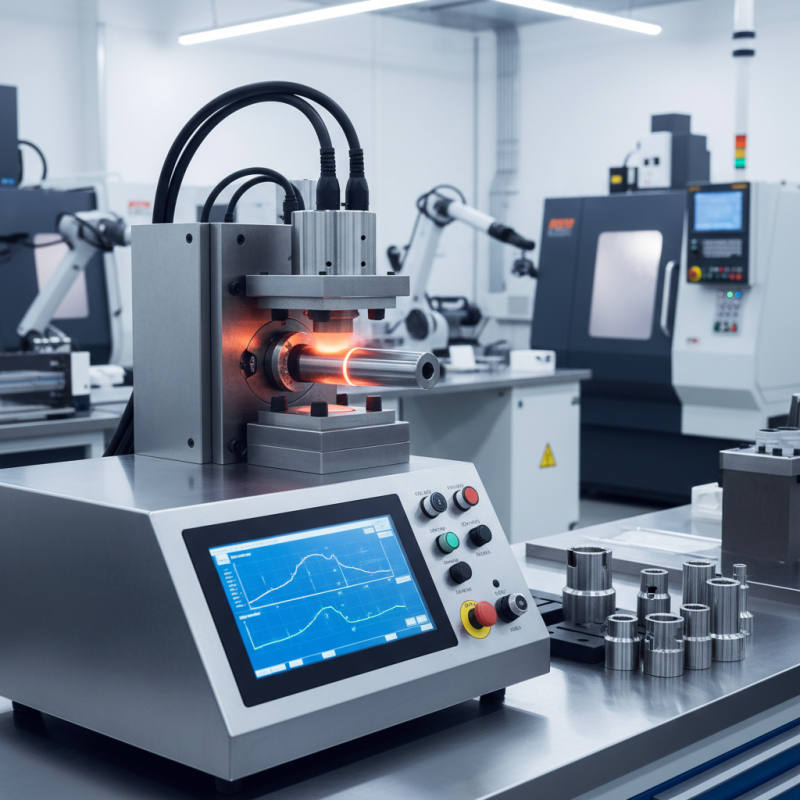
Overview of Shrink Fit Technology and Its Applications
Shrink fit technology is gaining traction across various industries. It offers precise and secure assembly methods. This technique relies on thermal expansion principles, making components fit tightly together. Reports indicate that the global shrink fit market is expected to witness a compound annual growth rate (CAGR) of 5.6% from 2022 to 2030. This rise showcases the growing reliance on advanced manufacturing processes.
Applications of shrink fit span many sectors, such as automotive, aerospace, and medical device production. In aerospace, for example, it enhances turbine performance and reduces fatigue in components. Data from industry analyses reveal that shrink fit methods can increase lifespan by up to 30%. However, the technology requires careful control of temperature. Minor errors in settings can lead to inadequate fitting or damage. Some experts argue that training for operators is often overlooked, which could impact overall efficiency.
Despite its advantages, implementing shrink fit technology isn't always seamless. Companies must invest in quality machines and training for optimal results. Industry reports indicate that about 20% of manufacturers struggle with proper technique application. Continuous improvements and feedback loops are essential in refining processes. Understanding these challenges can help industries better adopt shrink fit applications.
Overview of Shrink Fit Technology
Key Features to Consider in a Shrink Fit Machine
When selecting a shrink fit machine, several key features are vital. Temperature control is crucial for effective shrink fitting. Machines should provide precise heating to ensure materials shrink uniformly. Look for models that offer digital displays. This allows operators to monitor temperature settings easily.
Another important feature is the machine's size and capacity. Consider the parts you will be working with. A larger machine may be necessary for bigger components, while smaller parts require more compact equipment. Flexibility in design can also help accommodate different shapes and sizes.
Reliability is essential in manufacturing environments. A dependable machine minimizes downtime and boosts productivity. Check the machine's build quality and warranty options. Researching user reviews can offer insights into real-world performance. Consider how often parts may need replacement. This can affect long-term costs significantly.
Top Brands of Shrink Fit Machines for Global Buyers
When selecting a shrink fit machine, global buyers should focus on top brands that offer reliability and performance. According to a report by Industry Research, the global shrink fit machine market is expected to grow at a CAGR of over 5% during the next five years. This growth underscores the importance of investing in high-quality machines for effective operations.
Several brands stand out for their engineering excellence. These machines often feature advanced heating and cooling technologies, ensuring optimal shrink fitting processes. Users have reported that some machines can achieve temperature variances within 1°C. This precision is crucial for industries requiring tight tolerances, such as aerospace and automotive. However, buyers need to weigh features against price, as higher costs do not always equate to better performance.
Another aspect to consider is the support and service offered by manufacturers. Reliable customer service can significantly impact the overall experience. A survey found that 78% of users prioritize post-purchase support when selecting machinery. Unfortunately, there are instances where buyers experience long wait times for assistance, leading to frustration. It's essential to research feedback from peers in your industry before making a decision.
Comparative Analysis of Shrink Fit Machines' Performance
When exploring the best shrink fit machines, performance is key. These machines apply thermal expansion principles, enabling parts to fit snugly. The balance of temperature control and cycle time defines efficiency. Some machines excel in rapid heating, while others focus on precise temperature management. Each type offers distinct advantages based on operation.
Performance metrics often reveal trade-offs. A machine with a high heating rate may lead to uneven temperatures. This can affect the integrity of the components being processed. Moreover, user experience with various models highlights the need for ongoing adjustments. Operators frequently report a learning curve associated with machine calibration.
Testing different machines can uncover unexpected results. Some users experience challenges with maintenance, leading to downtime. Exploring a range of options may reveal which machine best suits specific needs. Ultimately, the selection process should prioritize reliability, efficiency, and user comfort to ensure optimal outcomes in production environments.
What is the Best SHRINK FIT MACHINE for Global Buyers? - Comparative Analysis of Shrink Fit Machines' Performance
| Machine Model | Heating Method | Max Temperature (°C) | Shrink Cycle Time (mins) | Power Consumption (kW) | User Rating (out of 5) |
| Model A | Induction Heating | 300 | 2 | 5 | 4.5 |
| Model B | Conduction Heating | 250 | 1.5 | 4.5 | 4.2 |
| Model C | Infrared Heating | 280 | 2.5 | 6 | 4.0 |
| Model D | Hot Air Heating | 200 | 3 | 5.5 | 3.8 |
Purchasing Considerations and Market Trends for Shrink Fit Machines
When considering the best shrink fit machine for global buyers, several factors come into play. Buyers should look for machines with reliable heat applications. Efficient temperature control is crucial for achieving optimal shrink fitting. The speed of operation also matters, as many manufacturers seek to enhance productivity. Compact designs often appeal to companies with limited space, but they should not compromise on performance.
Market trends indicate a shift toward energy-efficient models. Companies are increasingly focused on sustainability. Machines consuming less power can reduce operational costs. Additionally, advancements in automation can improve precision and repeatability. However, buyers must remain cautious. Some automated systems may have a steeper learning curve. Proper training is necessary to avoid operational errors.
The availability of customer support is another key consideration. Machines can face unexpected issues that halt production. A reliable service team can provide timely assistance and minimize downtime. Buyers often overlook this aspect, but it is vital for long-term success. Moreover, understanding industry-specific needs can drive better purchasing decisions. Each sector may have unique requirements that impact machine selection.

