What is the Best Spin Down Filter for Your Needs?
When it comes to optimizing your water filtration system, selecting the right Spin Down Filter is crucial. Industry expert, John Reynolds, emphasized, "A quality Spin Down Filter can significantly enhance the longevity of your plumbing and appliances." Understanding the specific needs of your system is essential.
Spin Down Filters are designed to catch larger particles, allowing finer filters to operate effectively. Users often overlook the significance of proper filtration. Many face challenges due to subpar choices that do not fit their unique requirements. An inadequate filter may lead to water damage or lower appliance efficiency.
Choosing a Spin Down Filter involves assessing several factors. The size, flow rate, and mesh micron rating impact performance. Customers frequently grapple with overwhelming options in the market. Reflecting on your specific needs can lead to a more suitable choice. Consider consulting with experts to avoid costly mistakes. Selecting the right filter is not just about immediate benefits; it's about long-term maintenance and efficiency.
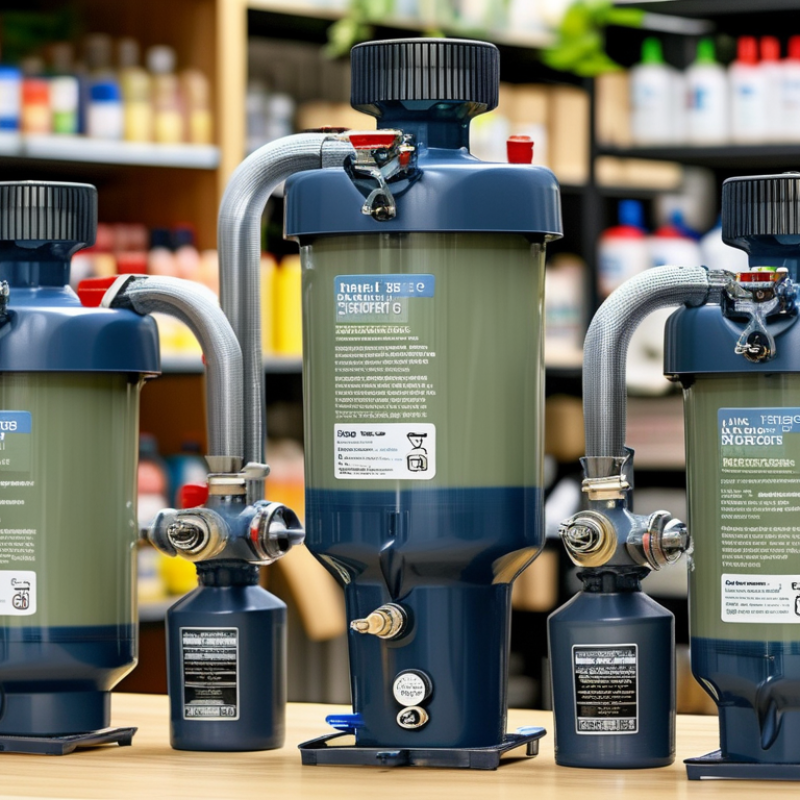
Understanding Spin Down Filters: Definition and Functionality
Spin down filters play a crucial role in maintaining equipment longevity. These devices are designed to remove sediment and debris from water systems. The functionality of a spin down filter relies on a simple mechanism: water enters, spins, and forces particles to the bottom. This design not only helps in filtering but also allows for easy cleaning and maintenance.
Industry reports indicate that sediment can lead to costly repairs, with machine downtime averaging $1,200 per hour in some sectors. Regularly utilizing spin down filters can significantly reduce these risks. A well-maintained filter can extend the life of downstream components, making it a valuable investment for any operation.
When selecting a spin down filter, consider the filtration rate and mesh size. Look for a filter that fits your system's specific needs. Many users overlook the importance of regular inspection. Checking for blockages ensures optimal performance. Investing in quality filtration can save you time and money in the long run.
What is the Best Spin Down Filter for Your Needs?
| Filter Type | Micron Rating | Flow Rate (GPM) | Max Pressure (PSI) | Material |
| Standard Spin Down | 100 Micron | 10 GPM | 50 PSI | Plastic |
| Heavy Duty Spin Down | 50 Micron | 15 GPM | 75 PSI | Aluminum |
| Automatic Flush Spin Down | 200 Micron | 20 GPM | 60 PSI | Stainless Steel |
| Compact Spin Down | 150 Micron | 8 GPM | 40 PSI | PVC |
Types of Spin Down Filters: Features and Comparisons
Spin down filters play a crucial role in water filtration systems by removing sediments and particulate matter. Understanding the various types can help you make an informed decision. There are typically three main types: self-cleaning, manual, and automatic filters. Each type has distinct features, catering to different needs.
Self-cleaning filters often employ automated functions. They utilize backwashing mechanisms, which can save time and effort. A study from the Water Quality Association revealed that self-cleaning systems can increase efficiency by up to 40% in high sediment areas. On the other hand, manual filters require periodic cleaning. Users must regularly remove the filter and clean it by hand. This type can be less expensive but demands more maintenance. For many, striking a balance between cost and labor is essential.
Automatic filters offer a combination of both. They can clean themselves and adjust to varying sediment loads. However, this complexity may lead to higher failure rates. An analysis indicated that while automatic systems can be convenient, 15% of users experienced maintenance issues within the first year. Understanding these nuances is vital for selecting the right fit for your filtration needs, particularly when considering factors like the volume of water and sediment levels.
Comparison of Spin Down Filter Types
This chart shows a comparison of different types of spin down filters based on their efficiency. The data indicates the percentage of efficiency for each filter type, helping you to make an informed decision based on your specific needs.
Factors to Consider When Choosing a Spin Down Filter
When selecting a spin down filter, several critical factors must be considered. The filtration efficiency is essential in any system. According to industry reports, filters with a mesh size of 80 to 200 microns are suitable for most residential applications. They can effectively remove larger debris while allowing water to flow freely. However, understanding the specific needs of your system is crucial. Underestimating the type of debris can lead to inefficient filtration.
The material of the filter is another key consideration. Many options are available: plastic, stainless steel, and fiberglass. Stainless steel filters, for example, offer superior corrosion resistance and longevity. Reports indicate that these filters often outlast others in harsh environments. However, cost and installation requirements may deter some users.
Flow rate should not be overlooked. A filter that restricts flow can lead to pressure drops and reduced system efficiency. Data from filtration studies show that maintaining a flow rate that matches your system's capacity is essential for optimal performance. Choosing a filter that strikes a balance between filtration efficiency and flow rate can be challenging. Users must often navigate trade-offs to find the perfect match for their needs.
Installation and Maintenance Tips for Spin Down Filters
When selecting a spin down filter, understanding the installation process is crucial. Begin by identifying the appropriate location within your plumbing system. Ideally, the filter should be installed close to the main water supply. This placement maximizes its efficiency and protects your home's pipes from debris. Ensure the filter is positioned in a way that allows for easy access when maintenance is needed.
Maintaining your spin down filter is essential for optimal performance. Regularly check the filter mesh for blockages. A clear mesh prevents water flow issues. Depending on your water quality, you may need to clean or replace the filter frequently. During cleaning, take care to follow the manufacturer’s guidelines, as improper handling can lead to problems. Consider keeping a maintenance log to track the filter's status; this can reveal patterns in performance or recurring issues.
Despite taking precautions, challenges may arise during usage. Filters can become clogged more quickly in areas with high sediment levels. This may necessitate more frequent maintenance. Monitor your system's performance and adjust maintenance schedules as needed. A thoughtful approach will enhance your filter’s longevity and reliability, ensuring clean water for your needs.
Common Applications of Spin Down Filters in Various Industries
Spin down filters serve critical roles across various industries, including agriculture, food processing, and water treatment. Their primary function is to remove debris from water, preventing clogging in downstream equipment. In agriculture, for instance, effective filtration helps ensure irrigation systems function properly. According to industry reports, about 40% of crop loss can be attributed to inadequate filtration methods.
In food processing, maintaining water purity is crucial. Contaminants can affect the quality of products and ultimately consumer health. Regular use of spin down filters reduces maintenance costs and extends equipment life by minimizing sediment buildup. Studies show that facilities using proper filtration techniques report up to 25% less downtime due to equipment failures.
There is room for improvement in filter selection. Not all applications need the same filtration level. Understanding your specific requirements is vital. Failing to do so may lead to over-spending on higher-grade filters when simpler solutions suffice. Choose wisely based on your unique needs.
Observe how often you clean or replace filters. Some systems might require frequent maintenance, affecting overall efficiency. Regular assessments of your filtration process can save time and money. Rethink your current practices and look for lasting improvements in your filtration systems.

