How to Build a Liquefaction Plant Successfully?
In recent years, the demand for liquefied natural gas (LNG) has surged. As countries seek cleaner energy alternatives, the importance of a successful Liquefaction Plant cannot be overstated. According to market reports, global LNG demand is expected to grow by 4% annually until 2030. This growth presents significant opportunities.
Building a liquefaction plant involves various challenges. From site selection to technology integration, each step requires careful consideration. Inadequate planning can lead to delays and increased costs. For example, many projects have faced budget overruns of up to 30%. Addressing these pitfalls early is crucial.
Moreover, effective project management and stakeholder engagement are vital. The industry's success hinges on collaboration among engineers, investors, and regulatory bodies. A liquefaction plant must not only meet technical standards but also adapt to market fluctuations. It’s essential to reflect on past inadequacies to build a robust future.
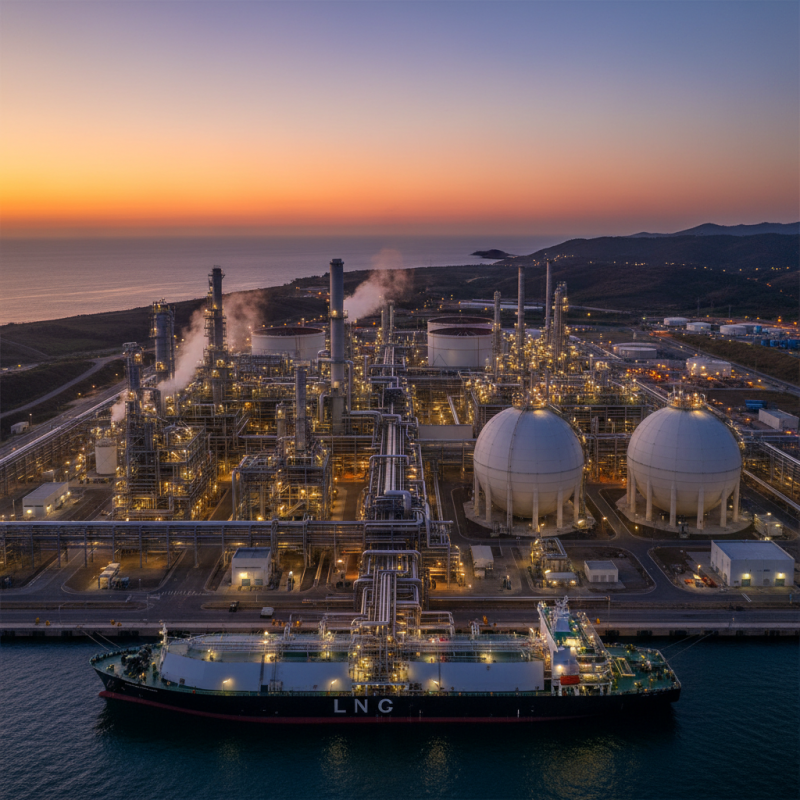
Understanding the Basics of Liquefaction Technology
Liquefaction technology plays a key role in the energy sector. It transforms gases into liquids for easier storage and transportation. Market data shows that the global liquefaction market is expected to reach $150 billion by 2025. Efficient liquefaction processes can optimize costs and reduce CO2 emissions.
Understanding the basics is vital. The process starts by cooling gases to extremely low temperatures. This phase change turns gases into liquid, reducing volume significantly. However, managing energy consumption is a challenge. The energy used can sometimes exceed the benefits of liquefaction. Recognizing this is crucial for sustainable development in this sector.
Also, the technology is not without flaws. Safety concerns exist, especially during transportation. Any leaks can lead to environmental risks. Furthermore, data from industry reports suggest that a significant percentage of liquefaction plants operate below peak efficiency. These insights underscore the need for continuous improvement and innovation in liquefaction technology.
Key Components Required for a Successful Liquefaction Plant
Building a successful liquefaction plant requires several key components. Effective design should prioritize efficiency and safety. The plant layout influences workflow and operational efficiency. Space for machinery, storage, and safety zones is essential. A clear understanding of the local environment can guide these decisions.
Another crucial aspect is technology. Advanced cooling systems and heat exchangers are vital for effective gas liquefaction. Choosing the right materials can prevent leaks and withstand extreme temperatures. Staff training is equally important; well-trained personnel can mitigate risks and enhance productivity. Regular maintenance schedules should not be overlooked to ensure long-term functionality.
Lastly, utility connections cannot be neglected. Reliable power, water, and waste management systems are necessary for uninterrupted operations. Sometimes, project developers rush through these aspects. This haste can lead to operational hiccups down the line, highlighting the need for thoughtful planning. Balancing these components can lead to a thriving plant, but it requires constant reflection and adjustments.
Planning and Site Selection for Liquefaction Facilities
When planning a liquefaction facility, site selection is critical. A prime location can enhance efficiency and reduce costs. According to recent industry reports, nearly 70% of liquefaction projects encounter unexpected site-related challenges. These challenges can lead to delays and budget overruns. Thus, a thorough evaluation of geological conditions is essential. Sites should be evaluated for seismic activity, soil stability, and proximity to essential resources.
Environmental impact assessments must also be a priority. Surprisingly, many projects overlook this step, risking regulatory complications down the line. Reports indicate that about 40% of facilities face legal issues due to inadequate environmental evaluations. Engaging with local communities and stakeholders early helps mitigate potential conflicts. Understanding local regulations and gaining community support are vital for a successful project.
Additionally, infrastructure availability plays a significant role. A well-connected site can minimize transportation costs for raw materials. Factors like road access, port facilities, and utility availability must be carefully analyzed. Many projects fail because they underestimate logistics. Striking a balance between ideal location and practical considerations is challenging but necessary for a successful liquefaction plant.
Essential Steps in Design and Engineering of Liquefaction Plants
Designing a liquefaction plant involves several crucial steps. Engineers must assess the local environment first. Understanding soil properties and seismic risks is vital. A site survey helps identify potential challenges like water tables and geological features. These factors influence foundation design and equipment layout.
Next, plant layout plays a significant role in efficiency. Distances between equipment should minimize energy losses. A well-planned workflow reduces unnecessary movement. Piping routes must be carefully considered to avoid future maintenance issues. It’s common to overlook maintenance access during initial designs. This oversight can lead to costly adjustments later.
In equipment selection, it’s essential to balance efficiency and reliability. Technology is constantly evolving. Regularly reviewing advancements can enhance a plant's performance. However, sticking with outdated equipment due to familiarity can hinder progress. Reflection on previous projects can provide valuable insights. Learning from past mistakes ensures a better outcome in future designs. Every aspect requires careful consideration to truly succeed.
Best Practices for Operation and Maintenance of Liquefaction Plants
Operating a liquefaction plant requires careful attention to detail and practices that enhance efficiency. Staff training is crucial. Employees must understand equipment handling and safety protocols. Regular drills can help employees respond quickly in emergencies. However, not all staff may retain this information. Ongoing education and refresher courses can help bridge that knowledge gap.
Maintenance is another essential area. Regularly scheduled inspections ensure that machinery operates optimally. Parts should be replaced before they fail. This proactive approach can prevent costly downtime. Yet, teams often underestimate the time needed for maintenance. It’s vital to allocate sufficient time in the schedule.
Additionally, monitoring technology plays a crucial role. Effective sensors provide real-time data on plant performance. This helps identify issues early. However, reliance on technology can lead to complacency. Operators must remain vigilant and not overlook human judgment. Balancing technology with hands-on observation enhances overall performance.
How to Build a Liquefaction Plant Successfully? - Best Practices for Operation and Maintenance of Liquefaction Plants
| Best Practice | Description | Frequency | Responsible Department |
| Regular Equipment Inspection | Routine checks to identify wear and tear on equipment | Monthly | Maintenance Team |
| Training Programs for Staff | Ongoing training in safety and operational procedures | Quarterly | Human Resources |
| Emergency Response Drills | Simulated exercises to prepare for emergencies | Bi-annual | Safety Team |
| Maintenance Scheduling | Planned maintenance to ensure efficient operation | Weekly | Operations Team |
| Performance Monitoring | Continuous assessment of plant performance metrics | Daily | Quality Assurance |

