Why Choose Car Paint Protection Film for Your Vehicle?
Car Paint Protection Film (PPF) has gained immense popularity among vehicle owners. A recent report by Grand View Research highlights that the global PPF market is expected to reach $500 million by 2026. This growth reflects increased awareness of vehicle aesthetics and longevity. Car Paint Protection Film offers an effective shield against scratches, chips, and environmental damage.
According to industry expert Lisa Wang, "Investing in Car Paint Protection Film is not just a choice; it's a strategy for preserving your vehicle's value." Wang emphasizes that protecting your vehicle’s exterior reduces the need for costly repainting and maintenance. Many car owners overlook the long-term benefits of PPF, often drawn in by immediate costs.
PPF serves as a reliable barrier against UV rays, road debris, and contaminants. Each day, vehicles face challenges that can diminish their appearance. Unfortunately, many neglect the importance of such protection. As technology advances, PPF becomes more durable and transparent. Reflecting on this, car owners should consider their return on investment. Choosing Car Paint Protection Film is a proactive step in maintaining a vehicle's beauty and market value.
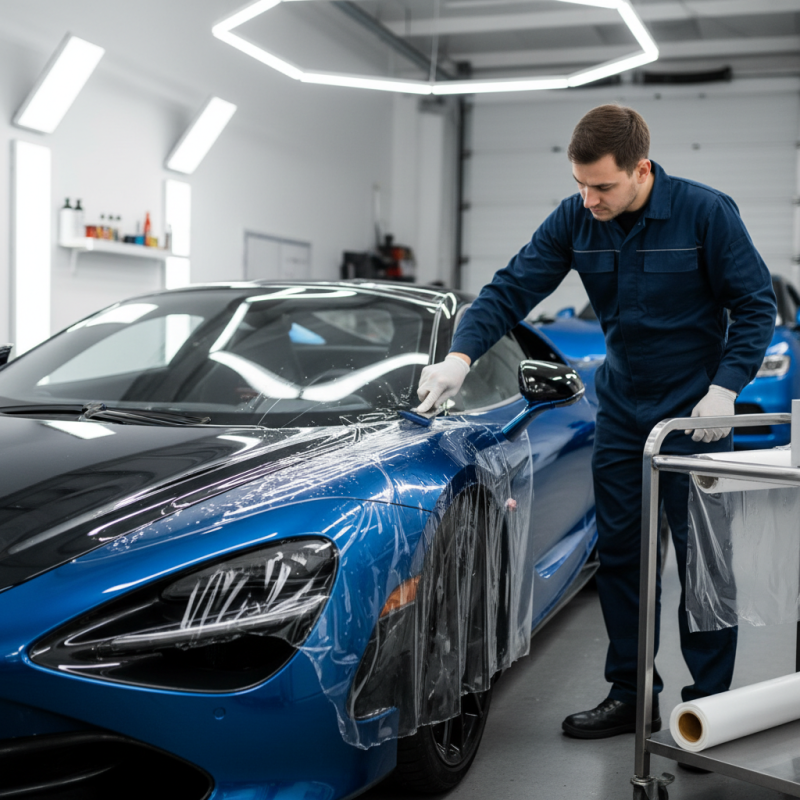
Benefits of Car Paint Protection Film for Vehicle Longevity
Car paint protection film (PPF) is an essential investment for vehicle owners who want to maintain their car’s appearance over time. This film acts as a barrier against environmental hazards. It protects against scratches, road debris, and harsh UV rays. Without this layer of defense, paint can fade and suffer damage.
One significant benefit of PPF is its ability to retain the vehicle's resale value. A well-preserved exterior makes a more significant impression on potential buyers. A few scratches could easily turn them away. Moreover, applying PPF can save money on costly paint repairs. No one wants to invest in repainting when a protective option is readily available.
However, the installation process requires careful consideration. Not all films are created equal, and choosing the wrong one may lead to bubbling or discoloration over time. It’s crucial to consult with professionals who can provide guidance based on experience. Take time to explore various options. Though the initial expense may seem high, the long-term benefits make it worthwhile. Evaluate the choices carefully to ensure satisfaction.
How Car Paint Protection Film Works to Shield Your Vehicle
Car paint protection film is an innovative solution that safeguards your vehicle's exterior. It acts as a barrier against scratches, chips, and stains from road debris. The film consists of durable, clear, polyurethane material that adheres closely to the vehicle's surface. This seamless fit allows the car's original color and shine to remain visible while providing robust protection.
When applied properly, the film absorbs impact from small rocks and other contaminants. This absorption minimizes damage that could otherwise lead to costly repairs. Over time, however, inexperienced installers may leave air bubbles or wrinkles. Proper installation takes skill and practice, which is crucial for achieving optimal results.
The film is also resistant to various weather conditions. It protects against UV rays, which can fade paint over time. Yet, not all films offer the same level of protection, and some might yellow or degrade more quickly than others. Regular maintenance is required to ensure longevity. Vehicle owners should be mindful of the care instructions to get the most out of their investment in protection.
Comparison of Paint Protection Film and Traditional Waxing Methods
Paint protection film (PPF) is transforming vehicle care. Unlike traditional waxing, which requires repetitive application, PPF offers a long-term shield. A 2022 industry report indicated that PPF can last up to five years, while waxing often lasts only a few months. This extended durability represents a significant shift in how vehicle owners protect paint.
With traditional waxing, the surface often requires meticulous preparation. Waxing can leave streaks and might not cover all areas evenly. In contrast, PPF provides a uniform appearance. It uses advanced technology to self-heal minor scratches, reducing visible imperfections. According to a report from the Automotive Protection Industry, PPF reduces the risk of damage by up to 80% compared to no protection at all, while maintaining the car's aesthetic appeal.
Many vehicle owners remain unaware of the comparative benefits. Traditional methods can prove labor-intensive and time-consuming. PPF, however, minimizes the time spent on upkeep and enhances vehicle value. One potential drawback is the initial cost of PPF. Yet, considering the long-term savings on maintenance, it often emerges as a wiser investment.
Factors to Consider When Choosing Car Paint Protection Film
When considering car paint protection film, various factors come into play. Experts emphasize the importance of understanding the thickness of the film. A gauge thickness of 8mm to 12mm is generally recommended for optimal durability. Thinner films can be less protective against scratches and chips. However, thicker films may affect the vehicle's aesthetics and finish.
The material type is another crucial element. Polyurethane films are widely praised for their self-healing properties and UV resistance. A study found that 30% of car owners experienced fewer paint imperfections with quality films. This statistic suggests that the right choice can significantly enhance the longevity and appearance of your vehicle's paint.
Installation quality also matters. A poorly applied film can lead to bubbles and peeling, which diminishes protection. Research indicates that 15% of users faced issues due to inadequate installation techniques. Seek professionals who can ensure a flawless application. Be cautious about DIY kits unless you’re experienced and confident in your skills. Each aspect of selection contributes to the effectiveness of the paint protection film.
Maintenance Tips for Preserving Car Paint Protection Film Effectiveness
Maintaining the effectiveness of car paint protection film (PPF) is crucial for vehicle owners. Regular washing is essential. Use pH-neutral soap to avoid damaging the film. An industry report indicates that improper cleaning can reduce film longevity by up to 30%. Even pressure from high-pressure washers can harm the edges of the film.
Inspecting the film is also vital. Look for any bubbles or peeling. Small imperfections can lead to bigger issues. The majority of installers recommend checking the film every three months. A study showed that 65% of PPF failures are due to neglect in maintenance. While PPF is durable, it is not indestructible.
When waxing, choose products that are safe for PPF. Some waxes can degrade the film over time. Experts suggest using a sealant specifically designed for PPF. Be cautious of UV exposure, as it can negatively impact the film. Without proper care, its protective qualities diminish significantly. Regular attention will enhance both appearance and durability.
Why Choose Car Paint Protection Film for Your Vehicle? - Maintenance Tips for Preserving Car Paint Protection Film Effectiveness
| Dimension | Explanation |
| UV Protection | Prevents fading and discoloration of the vehicle's paint from harmful UV rays. |
| Scratch Resistance | Protects against minor scratches and stone chips while driving. |
| Self-Healing Properties | Surface can heal itself from minor scratches with heat exposure. |
| Ease of Maintenance | Simplifies cleaning; dirt and contaminants can be wiped off easily. |
| Cost-Effectiveness | Long-term savings by reducing the need for paint repairs and resprays. |
| Aesthetic Enhancement | Maintains the vehicle’s glossy finish and enhances overall appearance. |
| Environmentally Friendly | Reduces the need for chemical cleaning products and repainting. |
| Installation Process | Best performed by professionals to ensure correct application and fit. |
| Regular Inspection | Routine checks help to identify and address any issues early. |
| Removal Process | If needed, removal should be done carefully to avoid paint damage. |

