BLOG
What is Chemical Raw Materials and Why They Matter for Buyers?
Chemical Raw Materials are vital components in various industries. These materials serve as the building blocks for a wide range of products, from pharmaceuticals to plastics. According to a report by the International Chemical Industry, the global market for chemical raw materials is projected to exceed $4 trillion by 2025. This highlights their significance for buyers.
Buyers must understand the implications of sourcing chemical raw materials. Fluctuations in quality can directly impact production efficiency. Investing in reliable suppliers is crucial. As per research by the Chemical Market Association, over 30% of manufacturers report challenges in maintaining quality standards with inconsistent raw materials.
The need for sustainability is also reshaping the landscape. Companies are increasingly seeking eco-friendly alternatives. This adds complexity to sourcing chemical raw materials. Balancing cost and quality remains a challenge. Buyers must adapt to market demands while ensuring safety and compliance, reflecting the industry's evolving dynamics.
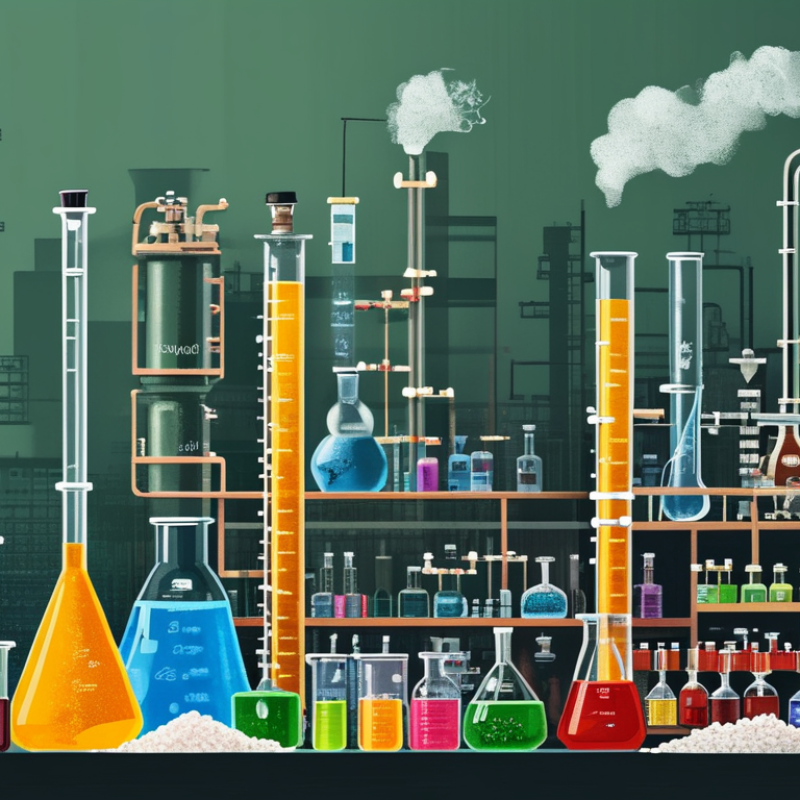
What Are Chemical Raw Materials?
Chemical raw materials are the fundamental components used in the production of various products. They are essential for creating everything from plastics to pharmaceuticals. Understanding what these materials are can help buyers make informed decisions. These materials can be organic or inorganic, and their quality directly impacts the final product.
When selecting chemical raw materials, consider their purity and compliance with industry standards. Conduct thorough research on suppliers. Knowledge about the sourcing of materials is crucial. Quality assurance should never be overlooked. Poor-quality inputs can lead to defective products.
Tips: Always request material safety data sheets. This ensures that you understand the hazards and handling procedures. Communication with suppliers about technical aspects is vital. Clear dialogue can prevent misunderstandings and potential issues. Always keep track of supply chain changes, as they can affect material availability.

Types of Chemical Raw Materials and Their Uses
Chemical raw materials are essential components used across various industries. They serve as the foundation for producing chemicals, plastics, and pharmaceuticals. Understanding their types and uses can greatly benefit buyers who aim to make informed decisions.
Inorganic compounds, such as acids and bases, are crucial in manufacturing processes. For example, sulfuric acid plays a vital role in producing fertilizers and other chemicals. Organic compounds, like hydrocarbons, are key in making plastics and synthetic fibers. Their versatility allows for numerous applications, from packaging to clothing.
Biochemicals, including enzymes and amino acids, are gaining traction in food and pharmaceutical sectors. These materials enhance product quality and efficiency. However, sourcing high-quality raw materials can be challenging. Price volatility and supplier reliability should always be considered. In the quest for sustainability, buyers must evaluate the environmental impact of their choices.
The Importance of Chemical Raw Materials in Manufacturing
Chemical raw materials are the foundation of many manufacturing processes. They play a crucial role in producing everything from plastics to pharmaceuticals. Understanding their significance is essential for buyers looking to optimize production quality and efficiency.
In manufacturing, the choice of raw materials affects product performance. High-quality chemicals can lead to superior end products. However, sourcing reliable raw materials can be challenging. Buyers often face numerous options, which can lead to confusion and uncertainty. Decisions must be backed by research and expertise to ensure the right materials are chosen.
The fluctuating prices of chemical raw materials can impact a manufacturer's bottom line. Buyers need to stay informed about market trends and supply chain dynamics. Collaborating with trusted suppliers can provide insights and stability. Each decision based on raw material selection warrants careful consideration and ongoing evaluation. Balancing cost, quality, and availability is an art that requires dedication and thoughtfulness.
Factors to Consider When Purchasing Chemical Raw Materials
When purchasing chemical raw materials, several factors demand attention. Quality is the foremost concern. Poor quality materials can damage manufacturing processes and end products. According to industry reports, around 30% of production failures stem from substandard raw materials. Buyers should conduct rigorous quality assessments and seek reliable suppliers.
Pricing strategies also play a critical role. Prices can fluctuate widely based on market demand and supply chain challenges. A report from the Chemical Market Insights suggests that a slight increase in raw material costs can lead to a 10-15% rise in production costs for manufacturers. It's prudent to analyze the market trends to negotiate effectively.
It's essential to evaluate supplier reliability. A dependable supplier not only ensures consistent quality but can also offer flexibility in production. Establishing strong relationships with suppliers may provide negotiating advantages, such as better pricing or customized solutions.
Consider sustainability too. The demand for eco-friendly materials is on the rise. Reports indicate that over 40% of manufacturers are moving towards greener alternatives. Thus, integrating sustainability in purchasing decisions can elevate a company's reputation and attract environmentally conscious clients.
Buyers should remain vigilant. Regularly assess supplier performance and be open to new sources. Stay informed about market shifts to adapt quickly. Maintain flexibility in negotiations to capture the best possible deals.
Future Trends in Chemical Raw Materials Supply and Demand
The global market for chemical raw materials is evolving rapidly. According to a recent report by the European Chemical Industry Council, demand for bio-based chemicals is expected to grow by 12% annually through 2025. This shift reflects an increasing focus on sustainability and environmentally friendly practices. Companies are investing in greener alternatives and circular economy principles. As climate change awareness rises, sourcing practices will adapt accordingly.
Simultaneously, supply chain challenges remain pertinent. The COVID-19 pandemic exposed vulnerabilities in sourcing and logistics. Reports indicate that 78% of businesses faced disruptions, impacting production timelines. This imbalance between demand and supply could lead to increased prices for chemical raw materials. Buyers may need to rethink their sourcing strategies and consider partnerships with reliable suppliers who can guarantee consistent product availability.
Emerging technologies are also set to reshape the landscape. Digitalization offers opportunities for efficiency and transparency. A study by McKinsey suggests that companies investing in digital supply chain solutions can reduce costs by up to 15%. Yet, not all organizations are equipped to handle this transformation effectively. Businesses must reflect on their readiness to adopt these changes in order to remain competitive in a shifting market environment.
What is Chemical Raw Materials and Why They Matter for Buyers? - Future Trends in Chemical Raw Materials Supply and Demand
| Category | Raw Material | Current Price ($/ton) | Projected Demand Growth (%) | Key Application Areas |
|---|---|---|---|---|
| Organic Chemicals | Ethylene | 1200 | 5 | Plastics, Chemicals |
| Inorganic Chemicals | Sodium Hydroxide | 250 | 3 | Pulp & Paper, Textiles |
| Petrochemicals | Propylene | 1050 | 4 | Plastics, Textiles |
| Specialty Chemicals | Silicone | 3000 | 6 | Medical, Electronics |
| Agricultural Chemicals | Nitrogen Fertilizers | 400 | 2 | Agriculture, Horticulture |