How to Choose the Best Food Inspection Machine for Your Needs?
When it comes to ensuring food safety, selecting the right food inspection machine is crucial. Industry expert Dr. Emily Carter, a renowned food safety consultant, emphasizes, "The effectiveness of inspections hinges on choosing the right technology." This statement underscores the importance of understanding your specific needs.
A food inspection machine can vary significantly in capability and features. Precision and reliability are essential, but so is the user experience. Many machines claim to offer cutting-edge technology, yet not all are user-friendly. Selecting a device without proper research can lead to unforeseen challenges.
Take your time to assess various models. Evaluate your production line's specific needs and the types of inspections required. Remember, a food inspection machine is an investment that impacts overall safety and quality. Missteps in this choice can lead to serious repercussions. Reflect on what truly matters to your operations and make an informed decision.
Understanding Different Types of Food Inspection Machines
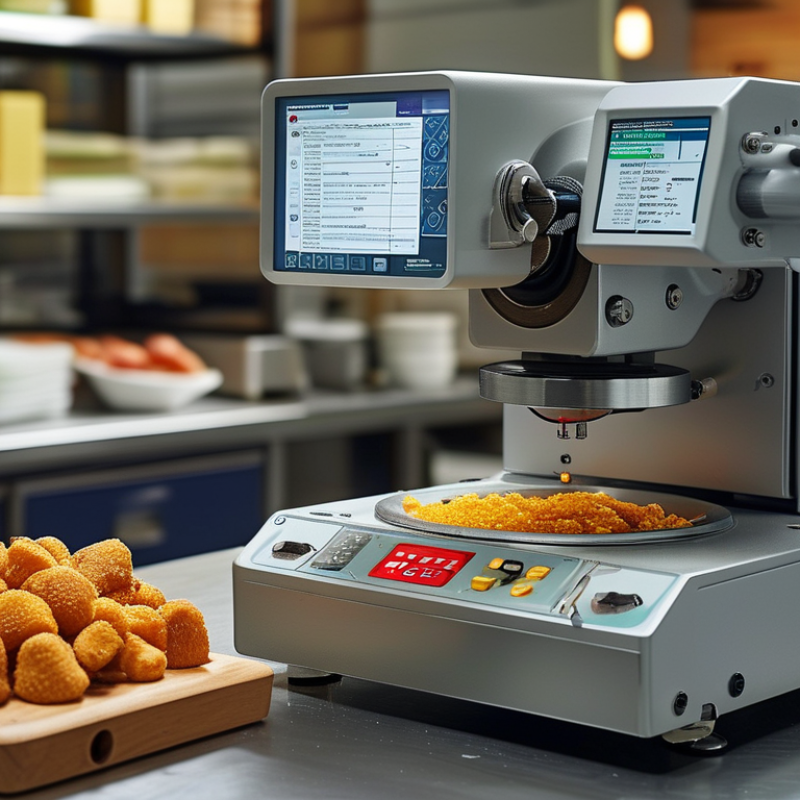
When selecting a food inspection machine, understanding the various types can help meet your needs. Common categories include metal detectors, X-ray machines, and vision systems. Each type serves a unique purpose. Metal detectors are great for detecting ferrous and non-ferrous contaminants. They are commonly used in meat and poultry processing.
X-ray machines offer a more comprehensive solution. They can identify foreign objects while also examining the integrity of packaging. Businesses that deal with complex products often prefer these systems for their thoroughness. However, the initial cost can be high, which may deter some operators.
Vision systems focus on evaluating the product itself. They check for color, shape, and size. This type can reduce human errors, but it may require regular updates to adapt to new product lines. Carefully considering these options can be challenging. Take the time to reflect on what fits your operation best.
How to Choose the Best Food Inspection Machine for Your Needs?
| Type of Inspection Machine |
Key Features |
Pros |
Cons |
Best Suitable For |
| Metal Detectors |
Detects metal contaminants in food |
High sensitivity, fast detection |
Limited to metal detection only |
Packaged food producers |
| X-ray Inspection Systems |
Identifies foreign objects and checks package integrity |
Multi-contaminant detection, detailed analysis |
Higher initial cost |
Bulk food production, high-volume processing |
| Vision Inspection Systems |
Checks for visual defects like package labeling |
High accuracy on appearance verification |
Limited to visual inspection |
Beverage and canned goods |
| Checkweighers |
Measures product weight to ensure compliance |
Improves package consistency, minimizes waste |
Does not detect quality issues |
Snack food and prepared meals |
Key Features to Consider When Selecting a Food Inspection Machine
When selecting a food inspection machine, several key features require careful consideration. One crucial aspect is the type of detection technology the machine employs. Techniques such as X-ray, metal detection, and machine vision have different strengths. For instance, X-ray technology can detect foreign bodies in packed items. However, it may not be effective for all types of packaging. Understanding the specific needs of your production process is essential to make the right choice.
Another significant feature is the machine's throughput and sensitivity. Industry reports indicate that over 40% of food recalls are due to foreign objects. Ensuring a reliable sensitivity level reduces product recalls and improves consumer safety. It's vital to evaluate not just the initial cost but also the long-term implications of inadequate inspection. Machines that are more efficient may have higher upfront costs but can prevent costly recalls.
Additionally, user-friendliness and maintenance requirements should be considered. Machines that are difficult to operate can lead to human error. An operator-friendly interface can improve accuracy. Regular maintenance is critical for consistent performance. Understanding these aspects requires expertise, but the goal is to enhance food safety and meet industry standards effectively.
Evaluating Your Production Needs and Specifications
Choosing the right food inspection machine begins with understanding your production needs. Assess your current and future production capacity. Consider your product types and sizes. Different machines handle various products with varying speeds and sensitivity levels. It's crucial to evaluate what works best for you.
Tips: Identify your throughput requirements. Determine how many products you need to inspect per hour. Higher speeds could compromise accuracy. Think about the trade-offs.
Specifications matter too. Look at sensitivity and detection capabilities. Some machines detect metals, while others target different contaminants. Weigh the importance of these factors against your operational needs. Make sure the machine is easy to calibrate and maintain.
Tips: Regular maintenance is key. A machine might require more attention than you expect. Consider the training for your staff as part of your investment. If it’s complicated, it can delay your production.
Assessing Budget and Cost-Effectiveness of Inspection Solutions
When selecting a food inspection machine, budget and cost-effectiveness are critical factors. The food safety industry has seen substantial growth, with global spending on inspection systems projected to reach approximately $25 billion by 2025. This increase emphasizes the importance of making informed choices within your financial constraints.
It’s essential to consider not just the initial purchase price but also long-term operational costs. For example, maintenance, training, and potential downtimes can significantly impact your budget. A study from the Food and Drug Administration suggests that effective inspection systems can reduce recall costs by up to 35%. This data highlights how a well-chosen machine can save money in the long run.
Tips:
- Evaluate total ownership cost, not just purchase price.
- Research the lifespan of equipment before making a decision.
- Consider training expenses as part of your budget.
Investing in a more efficient machine might seem expensive initially, but it can enhance productivity. Identifying the right balance between capability and cost can prevent overspending. Some organizations have opted for lower-priced machines, only to face higher costs due to inefficiencies. Always weigh immediate savings against potential long-term impacts on your operations.
Comparing Manufacturer Reputation and Support Services
When selecting a food inspection machine, it’s crucial to consider the manufacturer’s reputation and their support services. A strong reputation often correlates with reliability. According to industry reports, 75% of successful manufacturers have built trust through consistent quality and customer focus. These companies prioritize customer feedback and actively engage with their clients, which can enhance the long-term performance of their products.
Choosing a manufacturer that offers comprehensive support services can significantly impact your operations. Research shows that firms with robust support systems reduce downtime by 40%. Timely assistance not only helps in troubleshooting but also enhances overall equipment efficiency. Consider manufacturers that provide easy access to training and resources, ensuring your team can operate the machines effectively.
Tips: Always read reviews and case studies. Verify if the manufacturer has a dedicated support team. Do they offer training sessions? Such details can indicate how much they value their customers. Reflect on your past experiences with vendor support. Have they met your expectations consistently, or were there gaps? These reflections can guide you toward making a more informed choice.