How to Choose the Best IQF Tunnel Freezer for Your Needs?
In the ever-evolving food processing industry, choosing the right equipment is crucial. The "IQF Tunnel Freezer" is an essential tool for freezing products quickly and efficiently. According to a report from a leading industry analysts, the global market for individual quick freezing (IQF) technology is projected to grow by 6.5% annually. This growth reflects the increasing demand for high-quality frozen foods, including fruits, vegetables, and seafood.
Investing in an IQF Tunnel Freezer can enhance product shelf life while preserving flavor and texture. However, not all freezers are created equal. Various models cater to different needs, from batch processing to continuous flow options. Industry standards highlight the importance of temperature uniformity and energy efficiency. These factors play a significant role in the selection process.
Nevertheless, the choice of an IQF Tunnel Freezer can be daunting. Although many options exist, potential buyers may feel overwhelmed. It's vital to consider production scales, energy costs, and maintenance requirements. Evaluating suppliers with proven track records adds an extra layer of confidence in your investment. Making an informed decision requires careful evaluation of your specific operational needs.
Understanding IQF Tunnel Freezers and Their Advantages
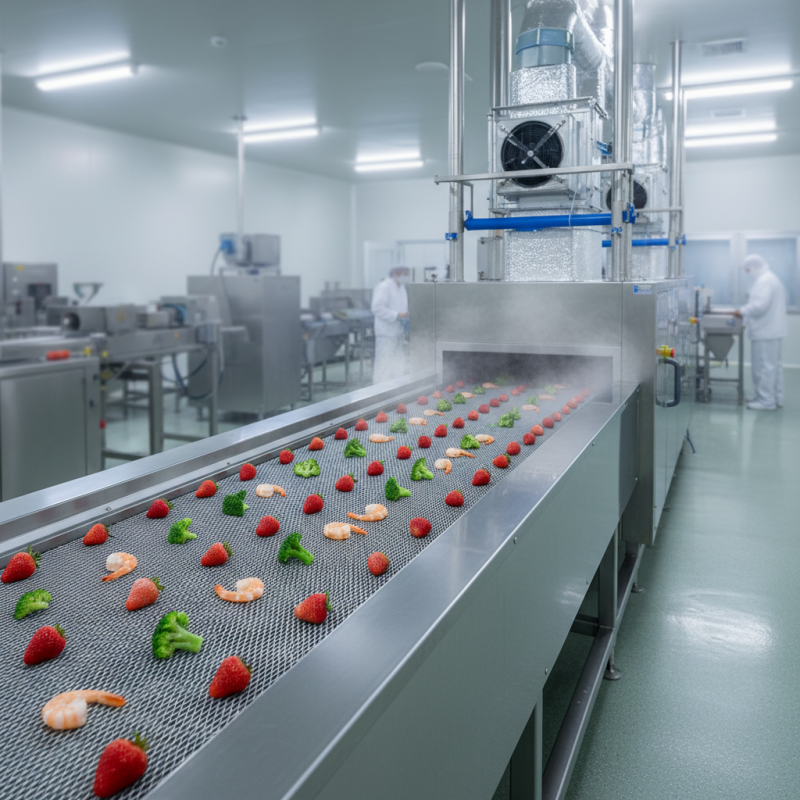
IQF tunnel freezers, or individually quick frozen systems, are crucial in preserving food quality. These freezers allow for rapid freezing, which helps maintain the texture, color, and nutritional value of products. According to a recent market analysis, the IQF frozen food market is expected to reach $25 billion by 2026, reflecting a growing demand for quality preservation in various industries.
The advantages of IQF tunnel freezers are notable. They minimize freezer burn and allow for even freezing, with temperatures often dropping below -30°C. This low temperature effectively retains moisture and flavors. A study published by the Food and Agriculture Organization indicates that products frozen using IQF technology can have a shelf life improved by 40% compared to conventional freezing methods.
Despite the benefits, choosing the right IQF tunnel freezer requires careful consideration. Factors such as energy efficiency, size, and capacity must align with production needs. Inadequate equipment can lead to inefficiencies, resulting in higher operational costs. Additionally, maintaining these systems can often be complex. Regular upkeep is essential to ensure optimal performance, which can add to the overall management challenges. While IQF technology offers incredible advantages, organizations must weigh the initial investment and operational intricacies against their production requirements.
Key Factors to Consider When Choosing an IQF Tunnel Freezer
When choosing an IQF tunnel freezer, several key factors come into play. The freezing rate is paramount. Industry reports suggest that optimal performance requires a freezing rate of 1.0 to 1.5 cm per minute. This ensures the product maintains its quality and texture. A faster rate locks in freshness, reducing ice crystal formation within the food.
Another critical aspect is energy efficiency. The global cooling industry aims to improve energy efficiency by 20% in the next five years. A well-designed tunnel freezer can significantly reduce your energy consumption. This translates into lower operational costs and a smaller carbon footprint. An efficient model may have an energy consumption of around 0.5 to 2.0 kWh per kilogram of food processed.
Consider the size and design of the freezer. Proper airflow is crucial. An inadequate design can lead to inconsistent freezing. Reports indicate that up to 30% of products can have reduced quality due to poor freeze management. Each operation has unique needs. It's essential to evaluate your production volume and product types when selecting a model. Remember, the right choice impacts both your efficiency and the quality of your offerings.
Types of IQF Tunnel Freezers: Which One Suits Your Needs?
When selecting an IQF tunnel freezer, understanding different types is essential. Each type serves distinct purposes. Some are designed for high-throughput, ideal for large-scale operations. They can freeze vast amounts of product quickly. Others are tailored for smaller batches, suitable for specialty items. Knowing your production needs can guide you toward the right choice.
Consider airflow and freezing technology. Different models utilize various methods for effective freezing. Air-blast systems often deliver consistent results. Some may struggle with uneven freezing, leading to quality issues. Evaluating your specific requirements helps avoid future complications. The durability and maintenance of the freezer also matter. Some designs may require frequent repairs, reflecting poor investment decisions.
Energy consumption is another crucial aspect. More efficient models can reduce operating costs. However, they might have a higher upfront price. Weighing short-term savings against long-term benefits is necessary. Every aspect—from size to performance—needs careful consideration. Don't rush the decision; reflect on your unique situation.
Cost Considerations: Budgeting for Your IQF Tunnel Freezer
When budgeting for an IQF tunnel freezer, consider various cost factors. The initial investment often appears high, but the long-term savings can be significant. Assess the energy efficiency of the model. A unit that consumes less power will lower ongoing expenses. Maintenance costs should also be part of your financial planning. Regular upkeep keeps the freezer running efficiently and prevents costly breakdowns.
Space is another critical expense. Ensure that your facility can accommodate the freezer's dimensions without requiring additional renovations. Evaluate the installation costs as well, since some models might involve substantial setup fees.
Additionally, consider the type of products you plan to freeze. Different materials may require different models, so understanding your specific needs can help reduce wasteful spending.
Don't forget to include training costs for your staff. Your team should know how to operate the equipment efficiently. Sometimes, hidden expenses within a tight budget can catch you off guard. Being transparent with all potential costs provides clarity in your investment decisions.
Make time to reflect on your choices and seek expert advice when necessary. Each detail, from energy consumption to employee training, plays a vital role in your budgeting process.
Maintenance and Support: Ensuring Longevity of Your IQF Tunnel Freezer
When selecting an IQF tunnel freezer, maintenance and support play crucial roles in its longevity. Regular upkeep helps ensure consistent performance. Simple tasks, like cleaning filters and checking refrigerants, can prevent significant breakdowns. However, many users overlook these tasks, leading to costly repairs. Awareness of this aspect is essential for maintaining operational efficiency.
Choosing a supplier who provides solid support is equally important. Reliable assistance can make a difference when issues arise. It’s vital to consider the availability of spare parts and technical support. Understanding how a supplier addresses common issues can prevent future challenges. On the other hand, some suppliers might not be as responsive, which could lead to extended downtimes. This is a point worth reflecting on during the selection process.
Lastly, some organizations may underestimate the importance of training their staff. Without proper training, even the best equipment can suffer from neglect. Invest in training programs that emphasize regular maintenance. Creating a culture of responsibility towards equipment can enhance longevity, but awareness is critical. Neglecting these factors can lead to unexpected operational hiccups.

