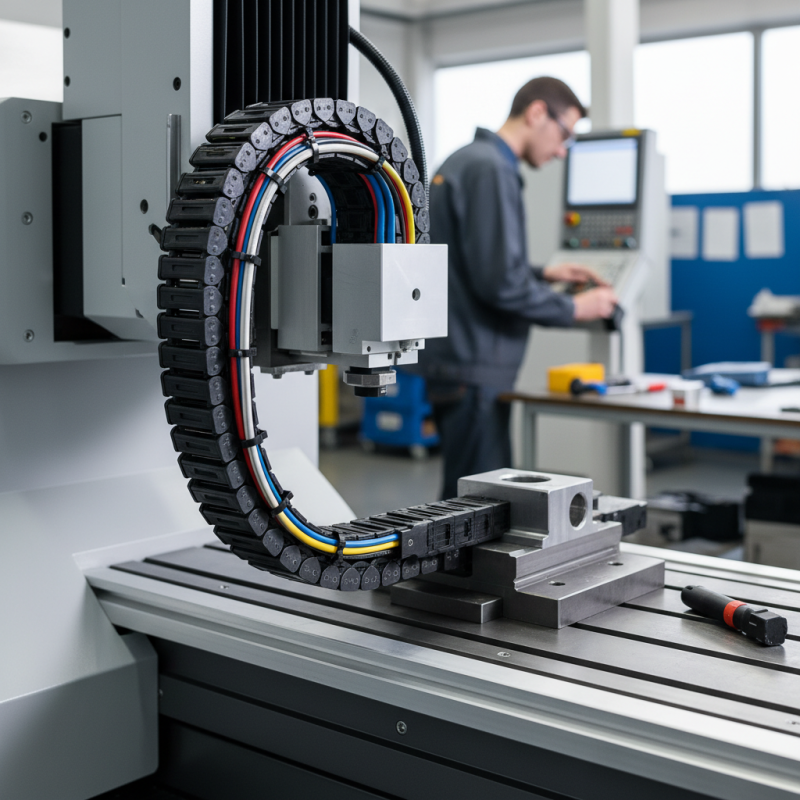
How to Choose the Right Cnc Cable Drag Chain for Your Needs?
Choosing the right Cnc Cable Drag Chain is essential for optimal machine performance. With various options available, it can be overwhelming to decide. Experience and expertise in this field can significantly impact your choice.
A CNC cable drag chain protects cables from wear and tear. It provides seamless movement for your equipment. However, mismatched selections can lead to frequent repairs. Understanding your specific needs is vital. Consider factors like cable type and machine size.
It’s easy to overlook details in this selection process. Each machine has unique requirements. Not every cable drag chain will suit all applications. Relying on knowledgeable suppliers can help. Their insights can lead you to a better fit, ensuring reliability and efficiency.
Understanding the Basics of CNC Cable Drag Chains
When selecting a CNC cable drag chain, understanding its components is vital. These chains manage and protect cables in machinery. They minimize wear and tear, ensuring longer cable life and smoother operation. The design of these chains can vary significantly. It's essential to choose one that fits your specific application.
Tips for choosing the right cable drag chain include considering the environment. Will it be exposed to harsh conditions? Pay attention to materials. Some chains are made from reinforced plastics, while others may use metal. Each material has its benefits and drawbacks. Evaluate your needs based on these factors.
Another key aspect is the chain's dimensions. Measure the required length and width accurately. An improper fit can lead to operational issues. Also, think about the radius of the bends. Insufficient radius can strain your cables. If you're unsure, consulting an expert might help. They can provide insights based on experience. It's a worthwhile investment in the long run.
Identifying Your Specific CNC Application Requirements
When selecting a CNC cable drag chain, understanding your specific application requirements is crucial. Factors such as the type of machinery, movement speed, and environment are key. For example, 70% of CNC applications require a drag chain that can handle high flexing cycles. This flexibility ensures efficient movement of cables and hoses, reducing downtime and maintenance costs.
The material of the drag chain also plays a vital role. Studies indicate that using appropriate materials can reduce wear and tear on cables by as much as 30%. It's essential to consider if the environment involves heat, chemicals, or dust. Each factor influences the life span of both the chain and the cables it houses.
Another consideration is the chain’s load capacity. Experts suggest calculating the weight of cables and hoses within the chain. Overloading can lead to malfunction and frequent replacements. It's not just about choosing a drag chain; it's about finding the right fit for your unique setup. Errors in selection can result in inefficiency and increased operational costs. Make careful assessments to align the drag chain with your specific CNC application needs for optimal results.
Evaluating Material and Design Options for Durability
When selecting a CNC cable drag chain, material and design play crucial roles in ensuring durability. Different materials offer varied resistance to wear and environmental factors. For instance, nylon and polypropylene are popular choices. They are lightweight yet sturdy, making them suitable for many applications. However, consider the working environment. Exposure to chemicals or extreme temperatures can lead to premature wear. It’s essential to assess these factors before making a choice.
Additionally, the design of the drag chain impacts its performance. Look for features like bend radius and load capacity. A chain with a tighter bend radius may be ideal for compact spaces but can lead to stress on cables. Regularly inspect the chains for signs of wear. Ignoring these issues could ultimately affect the entire system. Aim for a balance between flexibility and strength, ensuring that the drag chain meets your specific requirements. By focusing on material and design, you can enhance the lifespan and efficiency of your CNC equipment.
How to Choose the Right CNC Cable Drag Chain for Your Needs?
| Material | Design Type | Load Capacity (kg) | Temperature Resistance (°C) | Environmental Resistance |
| Polyamide (PA) | Closed | 30 | -20 to 80 | Good |
| Polypropylene (PP) | Open | 25 | -10 to 60 | Moderate |
| Polyvinyl Chloride (PVC) | Closed | 20 | -15 to 70 | Low |
| Aluminum Alloy | Hybrid | 100 | -40 to 120 | Excellent |
| Steel | Open | 200 | -50 to 150 | Very Good |
Determining the Right Size and Load Capacity for Performance
Choosing the right CNC cable drag chain heavily depends on the size and load capacity needed for your specific application. An incorrectly sized drag chain can lead to performance issues. For instance, too small a chain can create stress on the cables, resulting in damage or even failure during operation. If your drag chain is too large, it might not secure the cables adequately, leading to slippage or kinking.
When determining size, measure the maximum travel distance and consider the bend radius. A tight radius can restrict movement and increase wear. Load capacity is equally crucial. Calculate the total weight of cables and hoses, including any additional components. Exceeding the chain's load limit will create risks like chain breakage. Conducting a load test can reveal hidden weaknesses.
Simple mistakes, like ignoring environmental factors such as temperature and exposure to chemicals, can also affect performance. Always ensure the chain material is suitable for your operating conditions. Regular checks will help maintain functionality and identify wear before it becomes a significant issue. Remember, each decision should be backed by data and practical experience to enhance reliability.
Choosing the Right CNC Cable Drag Chain: Size and Load Capacity
Comparing Cost and Supplier Options for Value Selection
When selecting a CNC cable drag chain, it is crucial to examine cost and supplier options. Industry reports show that price variations can exceed 30% across different suppliers. Evaluating these factors helps ensure value selection. Low-cost options might save money initially but could lead to higher maintenance costs. Durability and material quality directly impact long-term expenses.
Supplier reliability is equally important. Research indicates that 40% of businesses experience downtime due to poor supplier service. A supplier's reputation can significantly affect your operational efficiency. Engaging with trusted sources often yields better support and warranty options. Analyzing supplier reviews and case studies provides insight into their reliability.
Tips:
- Always compare multiple suppliers to find the best value.
- Consider long-term costs over initial pricing.
- Verify suppliers' service support and warranty policies.
Keeping these points in mind allows for more informed decisions. Mistakes, like opting for the lowest price, could be costly later. Trying to save upfront can backfire in the long run. Always reflect on what truly matters for your business continuity.