BLOG

How to Choose the Right Compact Wheel Loader for Your Needs?

Choosing the right Compact Wheel Loader can be challenging. These machines are versatile, efficient, and suitable for various tasks. However, they come in many sizes and configurations. Making the wrong choice can impact your project significantly.

Compact wheel loaders can handle different materials. They are useful in construction sites, landscaping, and agriculture. But each job may require a unique set of features. Some loaders excel in lifting capacities, while others might focus on maneuverability. It’s essential to consider what you actually need.

Cost is always a factor. You might find a less expensive model, but will it meet your demands? Evaluating your needs is crucial before making a purchase. A poorly matched machine can lead to frustration and increased costs down the line. Reflecting on these aspects will help make an informed decision.
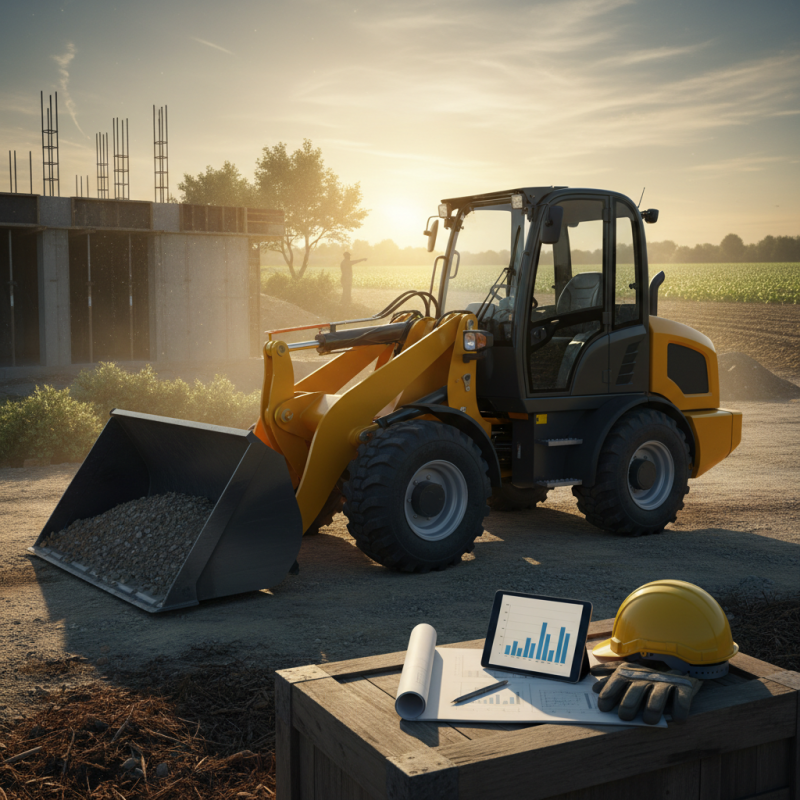
How to Choose the Right Compact Wheel Loader for Your Needs?

Understanding the Basics of Compact Wheel Loaders

Compact wheel loaders are versatile machines essential for various jobs. Understanding their features can help you choose the right one. They typically have a smaller frame and a powerful engine, making them ideal for tight spaces. These machines excel in landscaping, construction, and agriculture. Their ability to perform multiple tasks sets them apart from larger equipment.

When selecting a compact wheel loader, consider the size of your projects. You might not need the biggest model on the market. A smaller model may offer better maneuverability. Don't forget to check the lift capacity, as this can influence your productivity. You want a machine that can handle your typical loads without strain.

Tips: Always test drive a loader before purchasing. Evaluate how it feels in operation. Ask about service and parts availability. This can save you headaches down the line. Also, think about attachment options. Versatility is key; a well-rounded loader can tackle different tasks. Choose wisely based on your specific needs and challenges.

Identifying Your Specific Needs and Requirements

Choosing the right compact wheel loader hinges on understanding your specific needs. Start by assessing your typical job site. Factors like terrain, payload, and required attachments play significant roles. According to a recent industry report, 44% of construction professionals cite versatility as their top priority. Without this assessment, you risk selecting a machine that underperforms for your unique applications.

Consider job types. Are you moving heavy materials or working in tight spaces? The right model should balance power and maneuverability. Data suggests that 35% of operators complain about overestimating power needs. This leads to unnecessary expenses and inefficiencies. It's crucial to align your loader's capabilities with anticipated tasks.

Lastly, think about ongoing maintenance. Many users overlook this aspect, creating long-term headaches. A report from the Equipment Maintenance Council states that 55% of equipment failures stem from inadequate upkeep. Choose a loader that suits your maintenance routine. This careful consideration can save you time and resources. Reflection on these factors could significantly improve your operational efficiency and satisfaction.

Evaluating Key Features and Specifications

When choosing the right compact wheel loader, key features and specifications are crucial. Consider the machine's operating capacity, which typically ranges from 1,500 to 5,000 pounds. This capacity directly affects the kind of tasks it can manage effectively. Operators need to analyze their project requirements. For instance, a loading task in a tight space may require a loader with a narrower width, generally between 4 to 6 feet.

Another significant factor is hydraulic power. The hydraulic flow affects attachment performance. Standard flow rates range from 10 to 20 gallons per minute. Higher flow rates allow for more powerful attachments, enhancing versatility. According to a 2022 industry report, loaders with adjustable flow rates can improve productivity by 15%. However, think about maintenance. Some features that enhance performance can complicate repairs.

Evaluate the transmission type as well. Hydrostatic transmissions offer smoother operation but can be less efficient on steep terrain. In contrast, gear-driven systems provide more control but may require more effort to operate. Each option has benefits and drawbacks. Reflect on these as they can significantly impact performance and user experience. Balancing specifications with the real-world demands of your projects is key.

Comparing Brands and Models in the Market

When considering a compact wheel loader, brand and model selection is crucial. The market offers various machines suited for different tasks. Industry reports indicate that by 2025, compact wheel loaders are projected to grow by 10% annually. This growth highlights the demand for versatile equipment in construction and landscaping.

Not all models fit every need. Some offer higher lift capacities, while others excel in maneuverability. For example, certain models can lift over 2,000 pounds, ideal for heavy loads. Yet, they might lack in compactness, making them less effective in tight spaces. Users must weigh these factors carefully. Consider what tasks you will perform most often.

Price is another factor to evaluate. On average, compact wheel loaders range from $25,000 to $60,000. This variance can cause frustration when trying to find the best value. Some machines might seem appealing due to lower costs but may require frequent repairs. Understanding the total cost of ownership is vital before making a choice. Doing thorough research on available models can mitigate the risk of making an impractical investment.

Comparison of Key Features in Compact Wheel Loaders

Analyzing Cost, Maintenance, and Support Options

When choosing a compact wheel loader, analyzing cost is essential. According to a recent industry study, the average price range for compact wheel loaders is between $30,000 and $90,000. However, initial costs are only part of the equation. Additionally, buyers often overlook hidden expenses, such as insurance, financing, and integration into existing operations.

Maintenance can significantly impact long-term costs. A well-maintained loader ensures higher productivity and less downtime. Reports indicate that neglecting maintenance can lead to repair costs skyrocketing by up to 25%. Regular servicing can prevent major issues and extend the equipment's life. Operations may need to allocate budget for routine checks, oil changes, and part replacements.

Support options are equally crucial. Choosing equipment from a manufacturer with reliable support can make a big difference. Studies show that 70% of operators value after-sales service highly. Inadequate support can lead to longer downtimes. Buyers should seek brands with robust service networks and flexible service contracts. Ultimately, the balance of cost, maintenance, and support plays a vital role in making an informed decision.

How to Choose the Right Compact Wheel Loader for Your Needs?

Feature Option A Option B Option C
Initial Cost $25,000 $30,000 $35,000
Operating Weight 6,000 lbs 7,000 lbs 8,000 lbs
Engine Power 50 hp 60 hp 70 hp
Operating Capacity 1,500 lbs 2,000 lbs 2,500 lbs
Fuel Efficiency 15 mpg 14 mpg 13 mpg
Maintenance Cost (Annual) $800 $1,000 $1,200
Warranty Period 2 years 3 years 3 years
Support Availability Limited Standard Comprehensive