How to Choose a Metal Detector for the Pharmaceutical Industry?
Choosing a metal detector for the pharmaceutical industry requires careful consideration. The industry depends on precise machinery to ensure product safety. Contamination from metal fragments can lead to severe consequences. Thus, selecting the right metal detector is critical.
A metal detector for the pharmaceutical industry should be efficient and reliable. It's essential to choose one designed specifically for this sector. Not all detectors are created equal. Some may struggle with detecting smaller metal pieces due to specific product characteristics. Understanding these details can prevent costly recalls.
Investing in the right technology is crucial. The ideal detector must meet regulatory standards while providing accurate results. Failure to meet these standards can have serious implications. This complexity highlights the need for informed decision-making. Balancing cost, efficiency, and reliability is not always straightforward. Reflection on your needs is essential for making the best choice.
Understanding the Importance of Metal Detectors in Pharmaceuticals
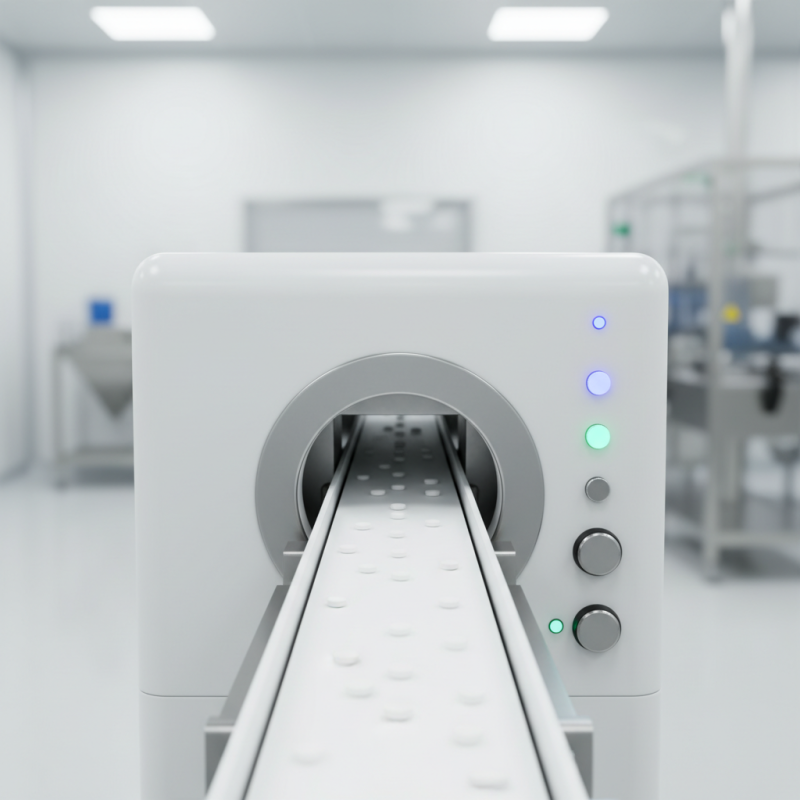
Metal detectors play a vital role in the pharmaceutical industry. Their primary function is to ensure product safety. Contamination can lead to recalls. This can result in substantial financial losses and damage to a company's reputation. Effective use of metal detectors mitigates these risks, ensuring that all products meet safety standards.
Choosing the right type of metal detector is crucial. Different machines have unique features suited for various applications. For instance, some detectors are designed to work with powders, while others handle liquids better. This specificity can significantly impact testing efficiency and overall safety. It’s essential to understand your production line’s characteristics before making a decision.
Regular maintenance and calibration of these detectors are also necessary. A malfunctioning metal detector may fail to catch contaminants, leading to serious consequences. Proper staff training ensures that everyone understands how to operate the machinery effectively. This underlines the importance of having a well-informed team. Choosing the right equipment is just one part of a larger safety strategy.
Metal Detector Types in the Pharmaceutical Industry
This chart displays the detection rates of various types of contaminants that metal detectors are designed to identify in the pharmaceutical industry. Ferrous metals have the highest detection rate, followed by non-ferrous metals and stainless steel, while plastics and ceramics are less commonly detected.
Key Features to Look for in Pharmaceutical Metal Detectors
When selecting a metal detector for the pharmaceutical industry, essential features should not be overlooked. The detector must comply with industry regulations to ensure product safety. Look for devices with sensitivity to small metal contaminants, as even minor particles can compromise pharmaceutical quality. Detection may cover various materials like stainless steel, aluminum, and iron.
Consider the design of the detector. A compact and hygienic structure is crucial. This design will ease cleaning and prevent contamination, which is vital in pharmaceutical settings. Additionally, detectors should offer real-time monitoring and reporting to enhance accountability. It’s important to ensure employees are trained to use these devices properly. Mistakes in operation can lead to costly recalls or safety violations.
Pay attention to the noise level during operation. Detectors that function quietly can create a calmer work environment. However, it’s worth noting that some noise is inevitable. Reflection on how this impacts daily operations is beneficial. Regular calibration of the detector is also necessary. This maintenance can easily be overlooked but is essential for consistent performance and reliability in detecting metal contaminants.
How to Choose a Metal Detector for the Pharmaceutical Industry? - Key Features to Look for in Pharmaceutical Metal Detectors
| Feature |
Description |
Importance |
| Sensitivity |
Ability to detect small metal contaminants in pharmaceutical products. |
High |
| Frequency |
Operating frequency that affects detection capabilities of different metal types. |
Medium |
| False Reject Rate |
The frequency at which harmless products are mistaken for contaminated ones. |
High |
| Product Effect |
Interference from the product itself that may affect detection. |
High |
| Metal Detector Type |
Different designs (e.g., conveyor, hand-held) based on application needs. |
Medium |
| Calibration |
Regular maintenance and adjustment for accuracy in detection. |
High |
| Regulatory Compliance |
Must meet industry standards and regulations for safety and efficacy. |
Very High |
| User-Friendly Interface |
Easy to operate and interpret results without extensive training. |
Medium |
Compliance Standards for Metal Detection in the Pharmaceutical Industry
In the pharmaceutical industry, compliance with metal detection standards is critical. Various guidelines, such as the FDA and ISO, outline the necessary protocols.
Metal detectors must meet these specific standards to ensure product safety. Regular staff training is essential to adhere to procedures effectively. This aspect often gets overlooked, leading to potential gaps in compliance.
Routine inspections of metal detectors are needed. These checks help to identify potential failures that could compromise safety.
Calibration of machines should happen on a set schedule to maintain accuracy. However, some companies neglect this aspect, risking their production integrity.
Moreover, documentation of all checks and training sessions needs to be meticulous. Incomplete files could raise questions during audits or inspections.
Integration of metal detection technology can be a challenge. Systems must align with existing production lines without causing disruptions. Companies often face resistance to change, making implementation difficult. Ensuring that all employees understand the importance of these devices helps.
Awareness of sacrifices in compliance may lead to severe consequences, such as contamination. The focus must remain on maintaining stringent safety and quality standards.
Comparison of Different Types of Metal Detectors for Pharma Applications
Choosing the right metal detector for the pharmaceutical industry is crucial. Different applications require specific technologies. For instance, electromagnetic and high-sensitivity metal detectors are commonly used to ensure product safety. According to a recent report by the Institute of Packaging Professionals, the pharmaceutical sector loses approximately $1.2 billion annually due to contamination issues.
Electromagnetic detectors are effective for inspecting powders and granules. They identify even the smallest metal contaminants. However, they may struggle with wet or sticky products. On the other hand, high-sensitivity models can detect both ferrous and non-ferrous metals, making them suitable for a broader range of applications. The choice between these detectors depends on the product form and packaging.
Tips: Analyze your product types before selecting a model. Ensure the detector meets industry standards for your particular product. Regular maintenance is key to reliability. It's vital to program these machines according to your production environment.
Investing in quality detection equipment can lead to significant savings. It prevents product recalls and maintains brand reputation. Inadequate detection could result in serious consequences. Buyers must thoroughly evaluate their options to find the best fit for their needs.