How to Choose the Best Commercial EV Charger for Your Business?
As electric vehicles (EVs) become increasingly popular, businesses need to consider a Commercial EV Charger. Selecting the right charger is crucial for enhancing customer satisfaction and promoting sustainability. With various options on the market, the decision can feel overwhelming.
Understanding the specific needs of your business is vital. Factors such as the type of vehicles, charging speed, and location play a significant role. A well-chosen Commercial EV Charger can attract EV owners and elevate your brand’s reputation. However, many businesses overlook essential features. This oversight can lead to inefficiencies in operation and missed opportunities.
Recognizing the importance of reliable and efficient charging solutions is the first step. This process begins with research and professional insights, which can provide guidance. Validating suppliers' reputations and their products' warranties is equally important. With informed choices, your business can thrive in a competitive market, making the most of the EV charging revolution.
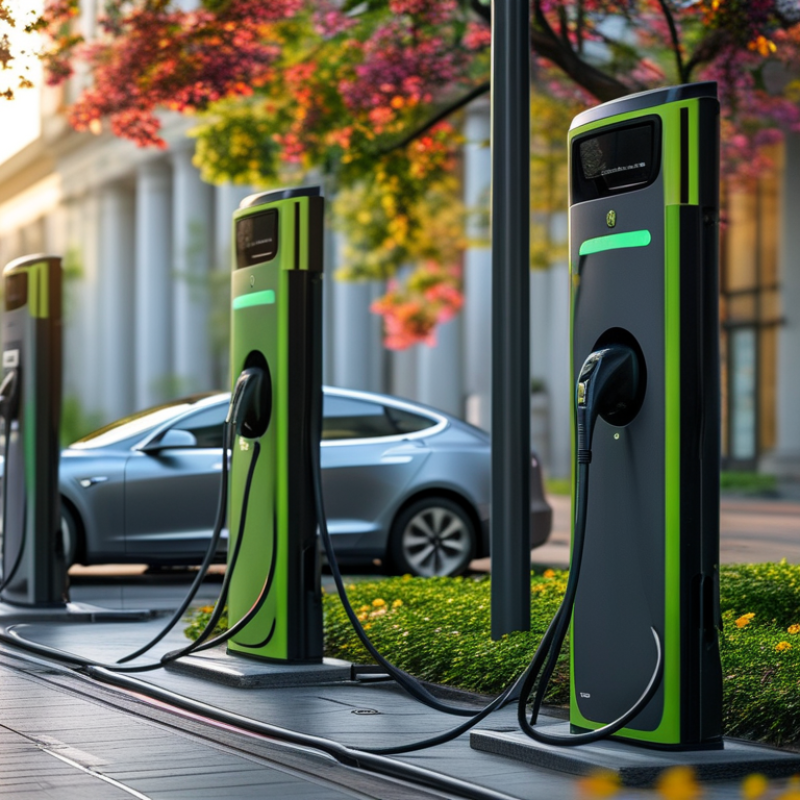
Understanding the Types of Commercial EV Chargers Available for Businesses
When choosing a commercial EV charger, understanding the types available is crucial for businesses. The market primarily features Level 2 and DC fast chargers. Level 2 chargers offer a charging rate of about 19.2 kW, making them ideal for locations with longer parked vehicles, such as office buildings. According to a report from the International Energy Agency, businesses using Level 2 chargers can gain a competitive edge, easing fleet operations and attracting customers seeking charging options.
On the other hand, DC fast chargers can deliver up to 350 kW, providing rapid charging for electric vehicles. These chargers are perfect for high-traffic areas, such as shopping centers. Data from Allied Market Research indicates that the demand for DC fast charging is expected to grow at a CAGR of 38.9% through 2027. However, these chargers come with higher installation costs. Businesses must consider their specific needs and weigh the potential return on investment carefully.
While choosing the right type, consider your location, customer behavior, and vehicle usage. Reflecting on current infrastructure can be revealing. Businesses may find existing electrical systems insufficient for the power required. Planning for upgrades or seeking professional installation advice becomes essential. Each choice has implications. It’s not just about installing a charger; it’s about creating an ecosystem for future growth.
Evaluating Charging Speed: Level 2 vs. DC Fast Chargers for Fleet Needs
When evaluating charging speed for commercial electric vehicles (EVs), two main options stand out: Level 2 chargers and DC Fast Chargers. Level 2 chargers typically provide 10 to 25 miles of range per hour. They are ideal for overnight charging or when vehicles have long downtimes. However, their slower speed may not meet the urgent needs of fast-paced businesses, especially those with larger fleets.
DC Fast Chargers deliver a significantly quicker charge, providing up to 400 miles of range in just 30 minutes. This makes them suitable for high-utilization scenarios. But installation can be complex and costly. The upfront expenses can be daunting, and maintenance is crucial for long-term operation. A careful assessment of fleet schedules and charging patterns is necessary.
Ultimately, the choice depends on specific business needs. Consider the size of your fleet and usage frequency. Fast Chargers may offer speed but come with higher costs. Balancing charging speed with operational efficiency is key. Businesses must reflect on these factors to make a choice that aligns with both current and future needs.
Assessing Power Requirements and Grid Capacity for Charging Stations
When selecting a commercial EV charger, it's crucial to assess your power requirements and grid capacity. Start by understanding how many electric vehicles (EVs) your business will support daily. This number influences the charger type and the total power needed. For example, a fleet might require multiple fast chargers, while a single location might only need a standard level 2 charger.
Next, examine your existing electrical infrastructure. Take a look at your service panel's capacity. Does it have enough amperage to support the additional load? If not, you might face unexpected costs to upgrade your grid capacity. It's also important to consider peak load times. Charging too many vehicles simultaneously could strain your system. Finding a balance between your needs and existing capabilities is essential but often overlooked.
Consulting with an electrical engineer can provide insights into potential challenges. They can help determine whether your electrical layout allows for future expansion. You may think you have enough capacity, but surprises can arise. Evaluating every detail of your setup mitigates risk and ensures reliability. Remember, investing in the right charger now can save headaches later.
Power Requirements and Grid Capacity for Commercial EV Chargers
Cost Analysis: Installation, Incentives, and ROI of Commercial EV Chargers
Businesses considering commercial EV chargers must analyze installation costs, potential incentives, and return on investment (ROI). The average installation cost ranges from $1,000 to $10,000 per charger, depending on site conditions and local labor rates. Some reports indicate that companies can recover these costs within three to five years, particularly if they take advantage of available incentives.
Federal and state incentives can significantly reduce upfront costs. For instance, the federal tax credit can cover 30% of the equipment and installation costs. Additionally, several states offer rebates or grants for commercial EV charger installations. This means businesses can greatly improve their ROI by leveraging financial assistance programs. According to industry studies, 43% of companies that install EV chargers report increased customer traffic.
Tip: Assess your energy requirements before installation. Charging stations often draw significant power. Ensure your infrastructure can support additional electrical loads.
Tip: Consider future growth when selecting chargers. Opt for scalable charging solutions that can expand with your business needs.
Many businesses face challenges during installation, including site assessments and local regulations. Understanding these factors can help avoid delays and unexpected costs. Engaging with experienced professionals early in the process is beneficial for navigating these complexities.
Choosing the Right Location: Accessibility and User Experience Considerations
Choosing the right location for your commercial EV charger is crucial. Accessibility directly impacts user experience. Your charger should be easy to find and reach. Consider areas with high traffic to attract more users. Think about the layout and flow of your location. Design it so that parking is convenient and charging is quick.
Tips for placement: Use clear signage to direct users to the charger. Ensure the area is well-lit and safe. Consider nearby amenities, such as restrooms or cafes. This makes waiting for a charge more pleasant. Evaluate the space frequently. User feedback can highlight improvement areas you might overlook.
Another aspect is the charger’s visibility. It should stand out but not obstruct other operations. Reflect on the balance between aesthetics and functionality. An effective location balances efficiency and comfort. Your goal is to create an inviting experience that encourages users to return.
How to Choose the Best Commercial EV Charger for Your Business? - Choosing the Right Location: Accessibility and User Experience Considerations
| Location Factor | Description | Importance Level | User Experience Impact |
| Proximity to Main Entrance | Charger should be close to business entry to enhance convenience. | High | Positive |
| Visible Signage | Clear signs to indicate charger locations for easy identification. | Medium | Positive |
| Sufficient Space | Adequate space for users to park and charge without obstruction. | High | Positive |
| Lighting Conditions | Well-lit areas enhance safety and comfort for users. | Medium | Positive |
| Accessibility | Ensure the location is easy for all users, including those with disabilities. | High | Critical |
| Network Availability | Chargers should have reliable internet access for payment and monitoring. | High | Positive |

