How to Choose the Best Universal Battery Charger for Your Needs?
When selecting a Universal Battery Charger, understanding your specific needs is crucial. The global battery charger market is expected to grow significantly, reaching a value of around $10 billion by 2026, according to market research. This highlights the rising demand for versatile and reliable charging solutions. A universal battery charger not only accommodates various battery types but also enhances efficiency and safety.
Given the multitude of options, making an informed choice can feel overwhelming. Each charger has unique features that may or may not align with your needs. For instance, some models may charge quickly but lack the ability to support all battery sizes. Others might be reliable but take longer to complete a charge.
In today’s fast-paced world, ensuring you invest in the right universal battery charger reflects both practicality and foresight. It's essential to consider factors such as compatibility, charging speed, and user reviews. Balancing these elements can lead to a more satisfying purchase, reducing the frustration of frequent charger replacements. Take the time to evaluate these aspects thoughtfully before making your choice.
Understanding Universal Battery Chargers and Their Functionality
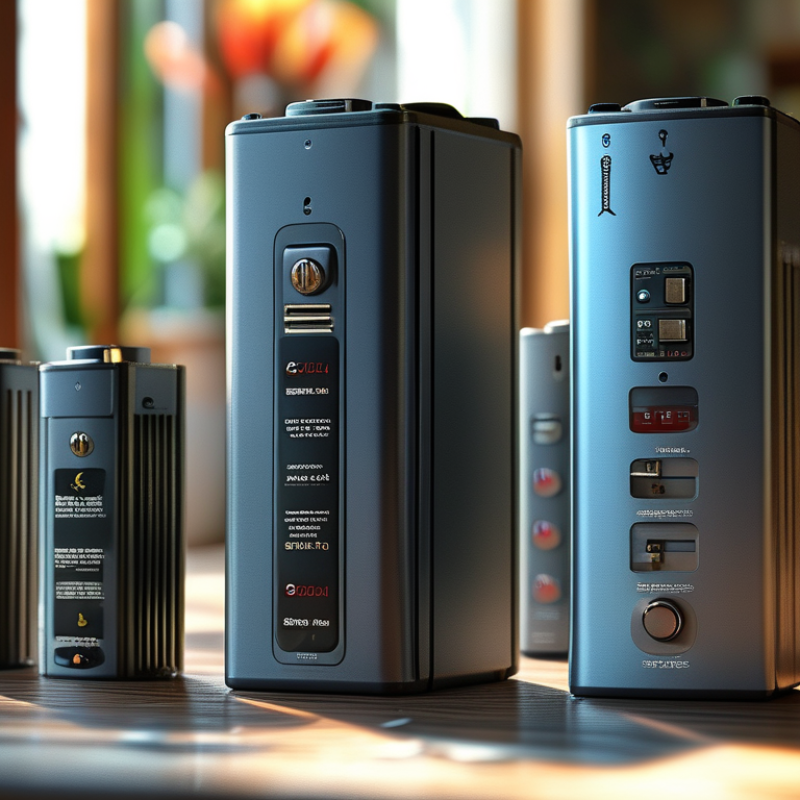
Understanding universal Battery Chargers is crucial for anyone reliant on rechargeable batteries. These devices serve multiple battery types, making them versatile tools. According to a 2022 industry report, over 50% of consumers prefer universal chargers due to their adaptability and convenience. They can safely charge lithium-ion, NiMH, and other battery chemistries, reducing the need for multiple chargers.
Functionality varies significantly among universal chargers. Some have features like smart charging, which automatically adjusts voltage and current. For instance, a study found that 80% of smart chargers improve battery life by preventing overcharging. Despite their advantages, user error remains a concern. Many users fail to read instruction manuals, leading to misuse. As a result, selecting a reliable charger demands careful consideration of features and safety measures.
A reliable universal charger should also have built-in protection to prevent short circuits and overheating. A 2023 safety guidelines report highlighted that chargers with these features can reduce risk by 60%. However, users often overlook these specifications. Understanding these functionalities is essential for making informed choices. The more knowledgeable you are, the safer your battery charging experiences can be.
How to Choose the Best Universal Battery Charger for Your Needs?
| Feature | Description | Advantages | Considerations |
| Compatibility | Works with various battery types like NiMH, Li-ion, etc. | Versatile for different devices | Check for specific battery size compatibility |
| Output Voltage | Adjustable output voltage settings | Can charge a wide range of batteries | More complex to use for beginners |
| Charging Speed | Fast charging capabilities | Reduces downtime for devices | May generate more heat during fast charging |
| Safety Features | Includes short-circuit protection and overcharge protection | Increases safety during use | Check for quality of safety certifications |
| Portability | Lightweight and compact design for easy transport | Ideal for travel and outdoor use | Check battery capacity relative to size |
Key Features to Consider When Choosing a Universal Battery Charger
Choosing a universal battery charger involves several key features. First, look for compatibility. It’s crucial to ensure the charger can work with various battery sizes and chemistries. Most chargers support NiMH, Li-ion, and lead-acid batteries. However, not all will handle every type. Check specifications carefully. Compatibility can save you time and frustration.
Next, consider the charging speed. Some chargers have rapid charging capabilities, reducing downtime. Others may take longer but offer better battery lifespan. Know your needs. If you use a device frequently, a fast charger could be essential. On the other hand, slower chargers often have features that help prolong battery life.
Another important aspect is safety features. Look for overcharge protection, temperature control, and short-circuit prevention. These elements protect both your batteries and devices. Read reviews about a charger's reliability and user experiences. Not all chargers perform as advertised. Take the time to evaluate different options based on user feedback. Ultimately, it’s about finding a balance between performance and safety for your unique requirements.
Types of Batteries Compatible with Universal Chargers
When selecting a universal battery charger, understanding the types of batteries it supports is essential. Universal chargers typically cater to multiple battery chemistries. These often include nickel-metal hydride (NiMH), nickel-cadmium (NiCd), and lithium-ion (Li-ion) batteries. Each type has unique characteristics. NiMH batteries are common in household devices, while Li-ion batteries are frequently used in smartphones and laptops.
Compatibility is key. Not all universal chargers support every battery type. Some may only work with AA or AAA batteries. It's crucial to check the specifications before purchase. Consider the charger’s features, including smart charging capabilities that prevent overcharging. This can enhance battery lifespan. However, if the charger lacks efficient heat dissipation, it might not perform well.
User experiences are mixed. Some report satisfaction with their chargers, while others mention issues. The importance of choosing a reliable charger cannot be overstated. A poor-quality charger can damage your batteries. Taking time to research can save money and frustration in the long run. Battery care requires attention to detail. Not all chargers do what they claim. Always question the reliability of the product.
Evaluating Safety Features in Battery Chargers
When selecting a universal battery charger, safety features should be a top priority. Many chargers come with overheating protection, which prevents potential fires. It's crucial to examine whether the charger has built-in safeguards against short circuits. Chargers with these features are generally more reliable.
Consider chargers that include a surge protection mechanism. This feature helps prevent damage from power spikes, which can be common during thunderstorms. Additionally, battery reverse polarity protection is essential. It ensures that the charger won't overheat or get damaged if the batteries are inserted incorrectly.
Not all chargers are created equal. Some may not have adequate safety features, making them riskier for everyday use. Researching online reviews and safety ratings is essential. Look for feedback from users who emphasize reliability. A charger that lacks proper safety features can lead to disastrous outcomes. Your safety and that of your devices depend on this important choice.
Comparing Price and Brand Reliability for Best Value
When selecting a universal battery charger, it's essential to consider the balance of price and brand reliability. Price can be a significant factor, but opting solely for the cheapest option may not provide the best value. Look for chargers that offer a reasonable price while maintaining high-quality standards. A reliable charger may prevent battery damage and extend the lifespan of your devices.
Tips: Research customer reviews to gauge long-term satisfaction. Many chargers look good at first glance but can fail over time. Check for chargers that offer warranties, as this indicates the manufacturer stands behind their product's durability.
Brand reputation plays a critical role in ensuring quality. Some brands invest heavily in research and development. Others may cut corners to save costs. This can lead to performance issues down the line. Selecting a brand known for quality can save you from past regrets.
Tips: Don’t overlook customer feedback on performance and durability. Sometimes, brands with lower prices may lack the features you need. Assess your actual requirements before making a choice. A charger that meets your needs is more valuable than one that only looks affordable.

