Top Tips for Choosing Compostable Packaging Materials for Your Business?
Choosing the right materials for your business can significantly impact the environment. Compostable Packaging Materials offer an eco-friendly solution. They break down naturally, reducing waste in landfills. However, not all compostable options are created equal. Understanding their properties is crucial.
When selecting compostable packaging materials, consider their source and certifications. Many products claim to be compostable but lack proper verification. Look for standards like ASTM D6400 or EN 13432 for reliable options. Additionally, evaluating the environmental impact of materials is vital. This includes their carbon footprint and biodegradability.
Reflect on your branding as well. Consumers increasingly prefer sustainable options. By adopting compostable packaging materials, you align your business with eco-conscious values. This choice can enhance your brand image and attract loyal customers. Balancing functionality and sustainability is challenging but essential for long-term success.
Understanding Compostable Packaging: Definitions and Benefits
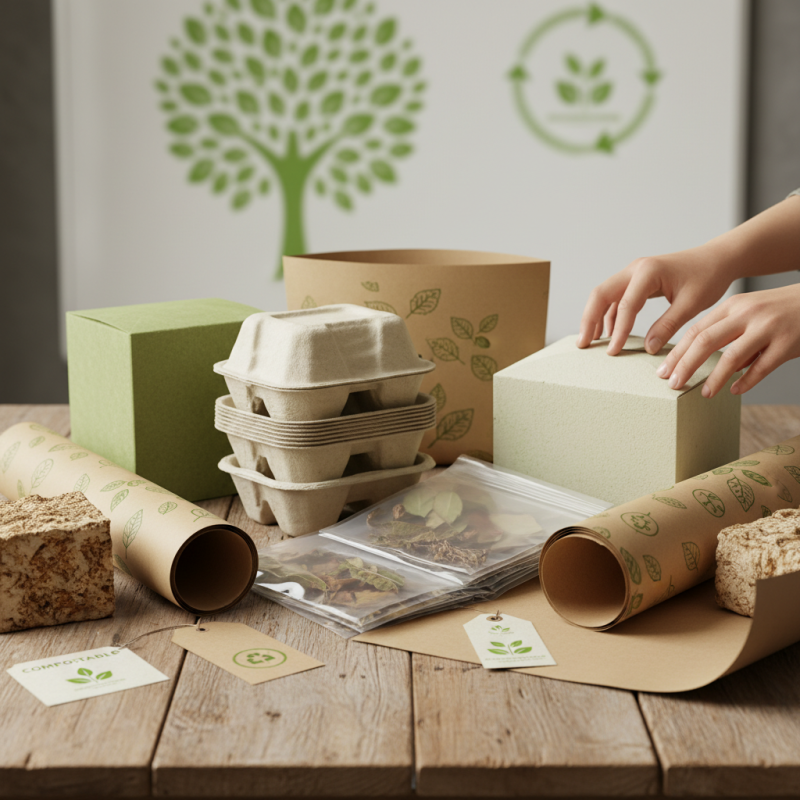
Compostable packaging is an eco-friendly alternative to traditional materials. It breaks down naturally, reducing waste in landfills. Understanding its definitions and benefits is crucial for businesses. Compostable materials often contain plant-based substances. They decompose into nutrient-rich soil, unlike plastics that linger for centuries.
Choosing compostable options helps brands reduce their environmental impact. These materials can improve a company's image, appealing to eco-conscious consumers. However, not all products labeled as compostable are created equal. It's essential to verify certifications and test how they decompose in real conditions. Many businesses overlook this, leading to skepticism about their green claims.
The benefits extend beyond waste reduction. Compostable packaging can enhance customer loyalty. People appreciate brands that prioritize sustainability. Yet, some companies struggle to source reliable materials. They may find it challenging to balance cost with eco-friendly practices. Understanding the complexities will lead to more informed decisions in packaging choices.
Top Tips for Choosing Compostable Packaging Materials for Your Business
Understanding the carbon footprint reduction potential of various compostable packaging materials can guide businesses in selecting the most eco-friendly options. This chart illustrates the potential reduction percentage for different types of compostable materials.
Assessing the Environmental Impact of Different Materials
When selecting compostable packaging, understanding the environmental impact is crucial. Various materials boast different degradation rates. For instance, PLA (polylactic acid) can take over 90 days to compost in industrial facilities, while traditional plastics persist for centuries. The disparity emphasizes the need for effective waste management systems to support composting.
A study by the European Bioplastics Association indicates that around 40% of consumers prefer compostable materials. This trend puts pressure on businesses to pivot towards sustainable options. However, not all compostable packaging achieves the same eco-friendly goal. Some may require specific conditions for degradation that are unavailable in home composting systems, raising concerns about actual sustainability.
Material sourcing also matters. Certain plant-based materials may induce deforestation or excessive water use. Balancing these factors is essential. Additionally, recycling rates for compostable packaging remain low, signaling a need for better consumer education. The lifecycle assessment of these materials reveals complexities hidden beneath the surface, urging businesses to prioritize transparency and sustainability in their packaging choices.
Identifying Certifications and Standards for Compostable Packaging
When choosing compostable packaging materials, understanding certifications and standards is crucial. Certifications ensure that the materials meet specific environmental criteria. Look for labels like ASTM D6400 or EN 13432. These indicate compliance with compostability standards in industrial settings. Knowing these certifications adds credibility to your choices.
Many businesses overlook the importance of certifications. They might prioritize appearance or cost over sustainability. This can lead to choosing materials that do not decompose as expected. Understanding the process is vital. For example, some materials require specific conditions to break down effectively.
Not all compostable products are created equal. Some may degrade only in industrial composting facilities, while others work in home compost systems. Evaluating whether your business's target market has access to proper facilities is essential. This helps ensure that your packaging truly contributes to environmental goals.
Evaluating Cost-Effectiveness and Supply Chain Considerations
When considering compostable packaging, cost-effectiveness and supply chain aspects are key. According to the Biodegradable Products Institute, compostable materials might have higher upfront costs compared to traditional plastics. However, they can reduce long-term waste disposal costs. This shift can lead to significant savings, especially for businesses seeking sustainable solutions.
Supply chain considerations also play a crucial role. Sourcing compostable materials can be challenging, as not all suppliers offer reliable options. A report from Smithers states that the demand for eco-friendly packaging is increasing at a rate of 14% annually. This growth may put pressure on suppliers, affecting price stability. Businesses must assess suppliers' certifications and reliability to ensure consistency.
Evaluating regional availability is essential. In some areas, compostable options may be scarce. This could lead to longer lead times and potential delays in production. Understanding local regulations on compostable waste management is critical. It’s necessary to ensure that the selected materials align with local composting facilities. This complex landscape requires careful planning and robust supplier relationships to achieve sustainability goals effectively.
Top Tips for Choosing Compostable Packaging Materials for Your Business
| Material Type | Cost per Unit ($) | Biodegradation Time (Months) | Source Sustainability (1-5) | Supply Chain Reliability (1-5) |
| PLA (Polylactic Acid) | 0.15 | 6-12 | 4 | 3 |
| Bagasse | 0.10 | 3-6 | 5 | 4 |
| Kraft Paper | 0.05 | 2-4 | 3 | 5 |
| Pulp | 0.12 | 1-3 | 4 | 4 |
| Mushroom Packaging | 0.20 | 2-5 | 5 | 3 |
Selecting the Right Packaging Type for Your Product Needs
When selecting compostable packaging materials, it’s crucial to align the packaging type with your product’s specific needs. Consider the product's characteristics, such as fragility and perishability. For instance, fresh produce may require breathable packaging to maintain freshness, while fragile items might need padded alternatives for added protection. The right material can ensure that your product arrives undamaged and in optimal condition.
Think about the environmental impact as well. Not all compostable materials break down in the same manner. Some require industrial composting facilities, which may not be available in all areas. Balancing eco-friendliness with practical logistics is essential. Your choices should reflect not just sustainability, but also how easily consumers can dispose of the packaging.
Acknowledging the imperfections in compostable options is vital. Some materials may have limitations regarding shelf life or moisture resistance. Testing different types can uncover which works best for your business model. Being open to feedback and adjusting your packaging strategy shows responsiveness to customer needs. This not only enhances sustainability but also builds trust with your audience.

