Why Choose a Metal Detector for the Pharmaceutical Industry?
In the competitive realm of the pharmaceutical industry, ensuring product safety is paramount. Experts emphasize the need for effective quality control. Dr. Emily Roberts, a leading authority in pharmaceutical compliance, states, "A metal detector for the pharmaceutical industry is essential to maintaining product integrity and consumer trust."
The incorporation of a metal detector addresses risks associated with contamination. This technology not only improves safety but also enhances overall production efficiency. Many manufacturers recognize the challenge of detecting metal fragments in fine powders or liquid formulations, where such contaminants can go unnoticed.
Choosing the right metal detector can be daunting. There are various options available, each tailored to specific production settings. Not every equipment fits every process. Reflection on the unique needs of one's operations is vital. Understanding the pitfalls in detection methods is equally important. This proactive approach ensures product safety and upholds regulatory standards in the pharmaceutical landscape.

Importance of Metal Detection in Pharmaceutical Manufacturing
Metal detection plays a critical role in pharmaceutical manufacturing. Contaminants can lead to serious health risks. A study by the FDA reveals that 3% of drug recalls are due to foreign materials like metal. This not only affects patient safety but also results in financial losses. Implementing metal detectors in production lines helps ensure product integrity. These devices can identify contaminants as small as 1 millimeter, which is vital for maintaining high standards in pharmaceuticals.
Manufacturers should prioritize regular maintenance and calibration of metal detection equipment. Inconsistent performance can lead to undetected contamination. Operators must be trained and aware of the technology's capabilities. They should also understand how to interpret detection data and respond appropriately to alerts. Effective quality control measures can minimize risks through comprehensive training.
It is essential to create a culture of safety within the organization. Employees need to report any abnormalities during production. A responsive team can prevent issues before they escalate. Using metal detectors not only protects consumers but fosters a reputation for reliability in the pharmaceutical industry. Actions today can prevent crises in the future.
Why Choose a Metal Detector for the Pharmaceutical Industry? - Importance of Metal Detection in Pharmaceutical Manufacturing
| Detection Method |
Detection Sensitivity (mm) |
Applicable Materials |
Common Applications |
Regulatory Compliance |
| Electromagnetic Detection |
0.5 mm |
Metals, Alloys |
Tablet Inspection |
FDA, GMP |
| X-Ray Detection |
0.3 mm |
Metals, Non-Metals |
Bulk Material Screening |
ISO 13485 |
| Metal Detectors with Vision Systems |
0.1 mm |
Metals, Visual Defects |
End-Product Inspection |
HACCP |
| Pipeline Detection |
1 mm |
Liquids, Powders |
Product Flow Monitoring |
BRC, FSMA |
Key Benefits of Using Metal Detectors in Drug Production
Metal detectors play a crucial role in the pharmaceutical industry. They ensure that medications are safe and free from contaminants. In drug production, metal contaminants can originate from machinery or packaging materials. The presence of even trace amounts can affect product quality and patient safety. By implementing metal detection systems, manufacturers can prevent contamination before it reaches consumers.
Effective metal detectors can identify various metal types, including ferrous, non-ferrous, and stainless steel. They can be used in different stages of production, from raw materials to finished products. This versatility helps maintain high quality throughout the manufacturing process. Regular maintenance of these detectors is essential. A malfunctioning detector may allow contaminants to slip through unnoticed.
Creating a culture of safety is vital. Regular training for staff on the importance of metal detection can enhance awareness. Engaging employees in monitoring procedures can improve overall effectiveness. A systematic approach to quality control, focusing on metal detection, builds consumer trust. Regular audits of the detection systems can reveal weaknesses and areas for improvement. This ongoing assessment is key. Consistent performance checks can lead to better product integrity and company reputation.
Types of Metal Detectors Used in the Pharmaceutical Industry
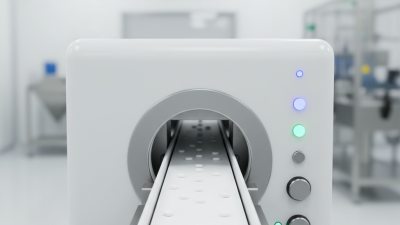
In the pharmaceutical industry, metal detectors play a crucial role in maintaining product safety. Different types of metal detectors are employed to meet specific needs. Among them, conveyor belt systems are the most common. These systems detect metal contaminants in fast-moving products, ensuring that nothing harmful reaches the consumer.
Another type is the hand-held metal detector. These devices are portable and ideal for spot-checks in production areas. While they provide flexibility, they may miss some contaminants that conveyor systems would easily detect. It’s important to use the right tool for the right purpose to increase detection accuracy.
Tips for effective metal detection include regular calibration of detectors. This ensures they operate at peak performance. Additionally, maintaining cleanliness in production areas helps reduce false positives. Occasionally, review detection logs to identify patterns, as even the best systems can have gaps. Regular training for operators on detector use is essential; technology changes and keeping staff informed can help improve outcomes.
Regulatory Compliance and Metal Detection Standards
In the pharmaceutical industry, regulatory compliance is paramount. Metal detection standards are designed to safeguard product integrity. The U.S. Food and Drug Administration (FDA) and European Medicines Agency (EMA) set stringent guidelines for contamination control. According to a recent study, nearly 80% of pharmaceutical recalls are due to contamination issues, underscoring the need for robust detection systems.
Metal detectors serve as a critical line of defense. They ensure that ferrous, non-ferrous, and stainless steel contaminants are identified before products reach consumers. Data from the Pharmaceutical Manufacturing report indicates that implementing effective metal detection can reduce contamination rates by over 50%. Additionally, compliance with ISO 13485 reinforces the importance of quality management in manufacturing processes.
Despite these advantages, not all facilities prioritize metal detection. Some still operate without adequate systems in place, risking safety and trust. Regular audits and updates to detection technology can mitigate these risks. However, many organizations overlook the need for ongoing training and system evaluations. Continuous improvement is essential to maintain high standards in this highly regulated industry.
Best Practices for Implementing Metal Detection Systems in Pharmacies
Implementing metal detection systems in pharmacies requires careful consideration. Begin by assessing the specific needs of the pharmacy. Each space is unique, and factors like product type and packaging can influence metal detection requirements. A comprehensive risk assessment helps identify areas of vulnerability. Regularly update this assessment to reflect changes in operations.
Training staff is crucial. Employees should understand how metal detectors work and their importance in maintaining safety. Regular training sessions can reinforce protocols. Encourage feedback from staff on system functionality. Their insights can highlight areas needing improvement, ensuring continuous adaptation and enhancement. Integrating metal detection systems into the workflow increases accountability and promotes a culture of safety.
Additionally, maintenance of detection equipment cannot be overlooked. Regular checks and calibrations are necessary for optimal performance. Schedule these with documented procedures to ensure compliance. Technology evolves. Staying informed about advancements enhances detection accuracy. This commitment reflects a pharmacy's dedication to product safety and consumer trust. Clarity in operations and adaptability to feedback are key. Embrace the complexities, continuously refining the process for the best outcomes.