BLOG
How to Choose Precision Machined Parts for Your Business?
Choosing Precision Machined parts for your business is crucial. The right components can enhance product performance and reliability. Precision machined parts are engineered to meet specific tolerances. This ensures fit and function in your applications.
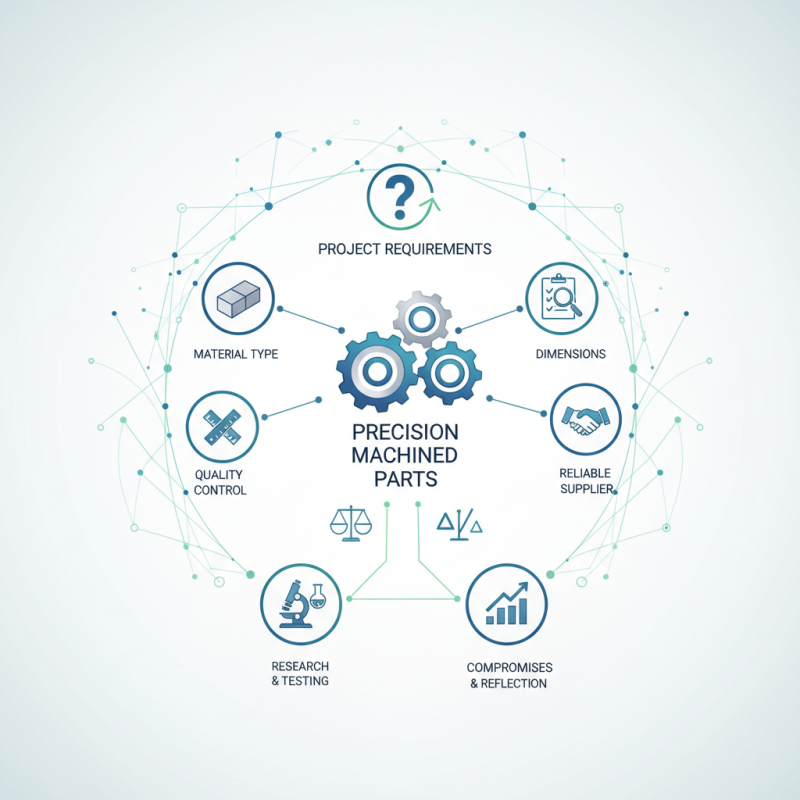
When selecting these parts, consider your project requirements. Each detail matters. Material type, dimensions, and quality control processes play key roles. Evaluate suppliers based on their experience and expertise. A reliable partner will guide you through the selection process.
Invest time in research and testing. Not every option will meet your needs perfectly. Sometimes, compromises are necessary. Reflect on previous choices and their impacts. By making informed decisions, you can boost your business's success with the right precision machined parts.
Understanding Precision Machined Parts and Their Applications
Precision machined parts are integral to various industries, including aerospace, automotive, and electronics. These parts are created using advanced techniques that ensure high accuracy and tight tolerances. Applications range from simple components to complex assemblies. Each part must meet specific standards to function effectively in its intended role.
When selecting precision machined parts, understanding the requirements is crucial. Consider factors like material type, dimensions, and quantity. Some materials may offer better durability or corrosion resistance. Others could provide improved performance under certain conditions. Balancing these factors can be challenging. You might find that a compromise is necessary depending on availability or cost.
Engaging with experts in the field can provide valuable insights. They can guide you on best practices and potential pitfalls. Yet, it's important to stay informed yourself. Familiarize yourself with the latest technologies and industry trends. This knowledge will help you make informed decisions and avoid common mistakes in sourcing precision machined parts.
How to Choose Precision Machined Parts for Your Business? - Understanding Precision Machined Parts and Their Applications
| Part Type | Material | Typical Applications | Tolerance Level | Machining Process |
|---|---|---|---|---|
| CNC Components | Aluminum 6061 | Aerospace, Automotive | ±0.005" | CNC Milling |
| Precision Gears | Stainless Steel 303 | Industrial Machinery | ±0.002" | Gear Hobbing |
| Bushings | Bronze | Automotive, Marine | ±0.003" | Turning |
| Flanges | Carbon Steel | Piping, HVAC | ±0.010" | Milling |
| Custom Fixtures | Plastic (Acrylic) | Electronics, Assembly | ±0.004" | Laser Cutting |

Identifying Key Specifications for Your Business Needs
Choosing precision machined parts for your business requires careful consideration of key specifications. Start by identifying the material type needed for your application. Common choices include metals, plastics, and composites. Each material has unique properties affecting strength, weight, and durability. Think about how these factors impact the performance of your final product.
Next, focus on tolerances and dimensions. Precision machining often requires tight tolerances. A small deviation can lead to significant issues. Understand your requirements and communicate them clearly to suppliers. Sometimes, what seems like a minor specification can drastically influence functionality.
Keep in mind the manufacturing processes involved. Different machines and techniques are suitable for various parts. CNC machining, for instance, offers high precision, while other methods might be cost-effective for larger batches. Reflect on your production volume and budget constraints. Balancing quality with cost is crucial, yet it’s easy to overlook details. Engaging with experienced professionals can guide your decision, helping avoid common pitfalls.
Evaluating Material Options for Precision Machined Parts
When evaluating material options for precision machined parts, it's crucial to consider the specific requirements of your application. Metals like aluminum and stainless steel are popular choices due to their strength and durability. According to a 2021 study by the Precision Manufacturing Association, over 40% of companies prioritize aluminum for its lightweight properties. This can significantly impact the performance of components in aerospace and automotive sectors.
Plastics also play a key role in precision machining. They can offer good resistance to corrosion and are often more cost-effective than metals. In a recent industry report, it was found that 25% of engineers preferred using high-performance plastics for medical devices. This highlights the importance of understanding both mechanical properties and environmental conditions.
It’s essential to assess factors like lead times, machinability, and cost. While one material may excel in strength, it could lag in availability. Additionally, some materials might not be suitable for all machining processes, leading to increased waste. Exploring these variables often requires a careful approach, as making the wrong choice can lead to project delays and added costs. When selecting materials, don't overlook the long-term implications of your decision.
Material Options for Precision Machined Parts
Assessing Supplier Capabilities and Quality Assurance Practices
Choosing precision machined parts for your business involves careful evaluation of suppliers. Begin by assessing their technical capabilities. Focus on their machinery and equipment. Are they using cutting-edge technology? What types of materials do they work with? Understanding their capacity and expertise can inform your decision.
Quality assurance is equally crucial. Examine their quality control processes. How do they ensure consistency? Look for certifications that demonstrate commitment to quality. It's important to see if they regularly perform inspections and testing. This can reveal their dedication to maintaining high standards.
Supplier transparency can sometimes be lacking. Be prepared to ask tough questions. Some companies may not disclose all their practices fully. Request detailed documentation regarding their quality assurance protocols. A reliable supplier will be open about their methods and willing to improve based on feedback. Understanding these nuances can help you choose wisely.
Cost Considerations and Budgeting for Precision Machined Parts
When budgeting for precision machined parts, understanding cost factors is critical. The overall cost is influenced by material selection, manufacturing processes, and complexity of designs. According to a recent industry report, raw material prices can account for up to 60% of manufacturing costs. Therefore, careful consideration of the materials you choose is vital for managing expenses effectively.
Another significant aspect is the machining process itself. Processes like CNC machining are precise but can be costly. A study indicates that businesses spend approximately 30% more on parts requiring intricate designs. This reflects both the labor intensity and machining time. While reduced complexity can lower costs, it’s essential to balance functionality with affordability. Even small design tweaks can lead to substantial savings without compromising quality.
While many companies opt for the cheapest options, this approach can backfire. Low-cost parts may reduce reliability and increase failure rates. A report highlighted that around 15% of precision machined parts face rework due to quality issues. This can lead to unexpected expenses that outweigh initial savings. Prioritizing quality over cost can save money long-term and enhance business sustainability.