How to Choose the Right Stainless Steel Tube Coil for Your Needs?
Choosing the right Stainless Steel Tube Coil requires careful consideration. These coils are crucial in various industries, including construction, automotive, and manufacturing. Their durability and resistance to corrosion make them popular choices for many applications.
Understanding the specific needs of your project is vital. Consider factors such as diameter, wall thickness, and the intended environment. Each option can significantly impact performance and longevity. You might feel overwhelmed by the choices available. Researching and consulting with experts can clarify your options.
It’s essential to ensure that the Stainless Steel Tube Coil meets industry standards. Poor quality products can lead to costly failures. Look for reputable suppliers who provide detailed specifications and certifications. Remember, the right choice doesn’t just depend on cost but long-term benefits. Reflecting on your requirements will lead to a more informed decision.
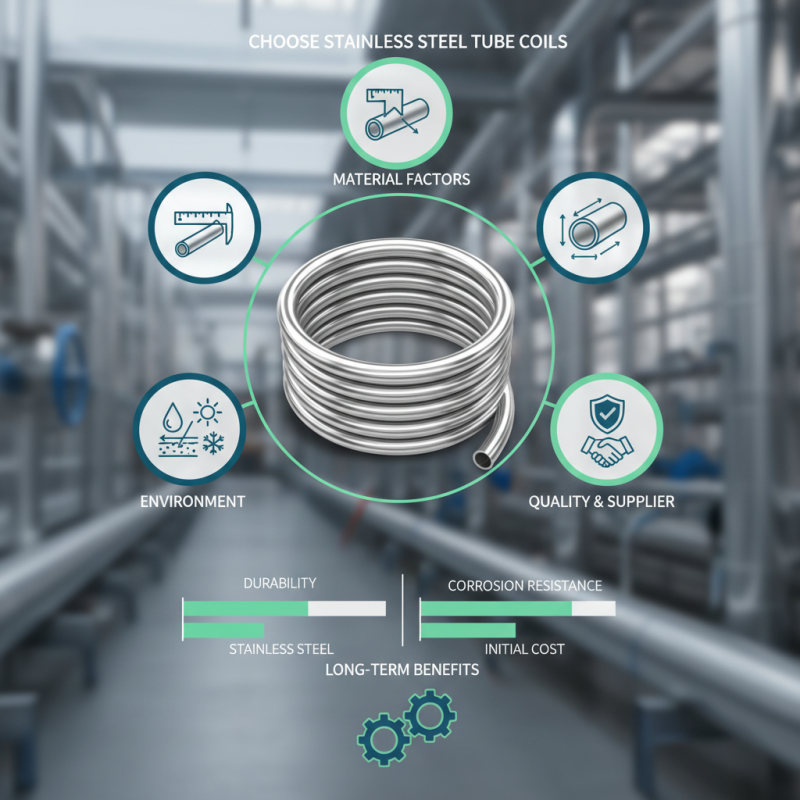
Understanding the Different Types of Stainless Steel Tube Coils
When selecting a stainless steel tube coil, understanding the different types available is crucial. These coils come in various grades and finishes. For instance, austenitic stainless steel is known for its corrosion resistance and strength. It is ideal for environments prone to oxidation. On the other hand, ferritic stainless steel offers better resistance to stress corrosion cracking but is less ductile.
Another important aspect is the coil size and wall thickness. Thicker walls provide more durability. However, they can also be heavier and more challenging to install. It's essential to consider your application conditions, such as temperature and pressure, as these factors will affect performance. Keep in mind the coil's flexibility, as more rigid options may not suit all designs.
Additionally, reflect on the fabrication methods. Some options are better suited for welding, while others may be preferred for bending. Assessing these details can prevent future issues. Balance between ease of use and performance is key. The right choice will align with your specific requirements, enhancing efficiency and longevity in your projects.
How to Choose the Right Stainless Steel Tube Coil for Your Needs?
| Type of Stainless Steel Tube Coil | Material Grade | Common Applications | Diameter (in.) | Wall Thickness (in.) | Temperature Resistance (°F) |
| Straight Tube Coil | 304 | Food Processing, Beverage Industry | 0.5 - 2.0 | 0.025 - 0.100 | 1000 |
| Welded Tube Coil | 316L | Pharmaceuticals, Chemical Processing | 0.75 - 3.0 | 0.030 - 0.120 | 1200 |
| Seamless Tube Coil | Duplex 2205 | Oil and Gas, Marine Applications | 0.5 - 2.5 | 0.040 - 0.150 | 1500 |
| Coiled Tube | 321 | Heat Exchangers, HVAC | 0.75 - 1.5 | 0.035 - 0.125 | 1200 |
Key Factors to Consider When Selecting Stainless Steel Tube Coils
When selecting a stainless steel tube coil, several critical factors come into play. Begin with your specific application. Will it be used for heating, cooling, or fluid transfer? The function determines the design and material standards you need. Consider the environment where it will be installed. If it’s exposed to chemicals or extreme temperatures, a higher grade of stainless steel may be necessary. Not all alloys withstand harsh conditions equally well.
Next, examine the dimensions of the coil. Accurate measurements ensure a seamless fit within your system. Pay attention to the wall thickness too. Thinner walls might save weight and cost but can compromise durability. Additionally, reviewing the manufacturer's specifications can provide valuable insights. Not all manufacturers adhere to the same quality standards, which can affect performance.
Lastly, consider your budget while balancing quality. It’s tempting to choose the least expensive option, but this may lead to issues down the line. It’s wise to reflect on the potential costs of failures. Investing in the correct type can save money and hassle in the long run. Achieving the right balance between affordability and reliability is crucial.
Stainless Steel Tube Coil Selection Factors
Evaluating the Application Requirements for Tube Coils
Selecting the right stainless steel tube coil begins with understanding your specific application requirements. Different industries have varying needs when it comes to temperature, pressure, and material compatibility. For instance, if you are dealing with high-temperature fluids, the tube’s ability to withstand heat becomes crucial. A proper evaluation will guide you to the right specifications.
Consider the environment where the coil will be used. Corrosive environments demand higher-grade stainless steel. A lack of attention to this detail can lead to premature failure.
Also, think about the coil’s intended function. How will it connect to other systems? Fittings and connectors may play a significant role in performance and longevity. Not every coil fits every application.
Another vital aspect is the flow characteristics. You must assess how fluid dynamics will affect efficiency within the system. A mismatch here could reduce overall performance. It is essential to remain flexible and open to adjustments throughout the selection process.
Understanding that your needs may change or that assumptions made earlier could be incorrect will foster a better decision-making environment.
Comparing Material Grades and Specifications of Stainless Steel
When selecting a stainless steel tube coil, understanding material grades and specifications is crucial. Stainless steel comes in various grades, each designed for specific applications. For instance, grade 304 is commonly used for its excellent corrosion resistance. However, if high heat resistance is required, grade 316 may be the better choice. The differences in these materials can significantly affect performance.
Consider the environment where the coil will be used. Factors like temperature, moisture, and chemical exposure play essential roles. Choosing the right grade may seem straightforward, but there are often hidden challenges. Ensuring compatibility with other materials is key. Improper selection can lead to premature failure or safety risks.
Specifications, such as wall thickness and coil diameter, should align with your project needs. Different industries have varying requirements, which can complicate the selection process. It's vital to consult with experts who can provide insights based on real-world applications. Don’t overlook the importance of reliable sources for your information. Making informed choices in material selection can save time and costs in the long run.
Assessing Cost-Effectiveness and Supplier Options for Your Needs
When selecting a stainless steel tube coil, understanding cost-effectiveness and supplier options is crucial. The stainless steel market is expected to grow at a CAGR of 5.5% from 2023 to 2030. This reflects a rising demand across various industries. The material is known for its durability and corrosion resistance, making it ideal for both industrial and domestic applications.
Evaluating suppliers requires a careful assessment. Look for those with high credibility. Industry reports indicate that suppliers with ISO certifications often provide quality assurance. Cheaper options may lead to long-term costs. It’s essential to weigh material quality against price. Additionally, consider the supplier’s delivery reliability and customer service. A well-reviewed supplier can enhance your project outcomes significantly.
In reflecting on past selections, some buyers focused solely on price. This approach often led to dissatisfaction. Remember, the goal is to find a balance between cost and quality. By prioritizing reputable suppliers, you can avoid pitfalls that may arise from neglecting quality assurance.

