How to Choose the Best Food Inspection Systems for Your Business?
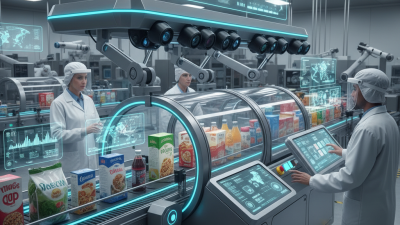
In the ever-evolving world of food safety, selecting the right food inspection systems is crucial for businesses. Dr. Susan Johnson, a renowned expert in food safety technology, emphasizes, "Effective food inspection systems can make or break your compliance success." This statement reflects the importance of ensuring the safety and quality of food products.
Choosing the best food inspection system involves understanding your specific needs. Companies must consider factors such as size, product type, and regulatory requirements. The correct system not only meets compliance but also enhances operational efficiency. Each industry may face unique challenges, making it vital to reflect on past experiences and errors in equipment selection.
Investing in robust food inspection systems is essential for maintaining high standards. Businesses should not only focus on cost but also on reliability and effectiveness. Adopting the best practices in system selection can lead to significant improvements. Ultimately, careful consideration and expert guidance can help navigate the complex choices in food safety technology.
Understanding Food Inspection Systems: Key Concepts and Terminology
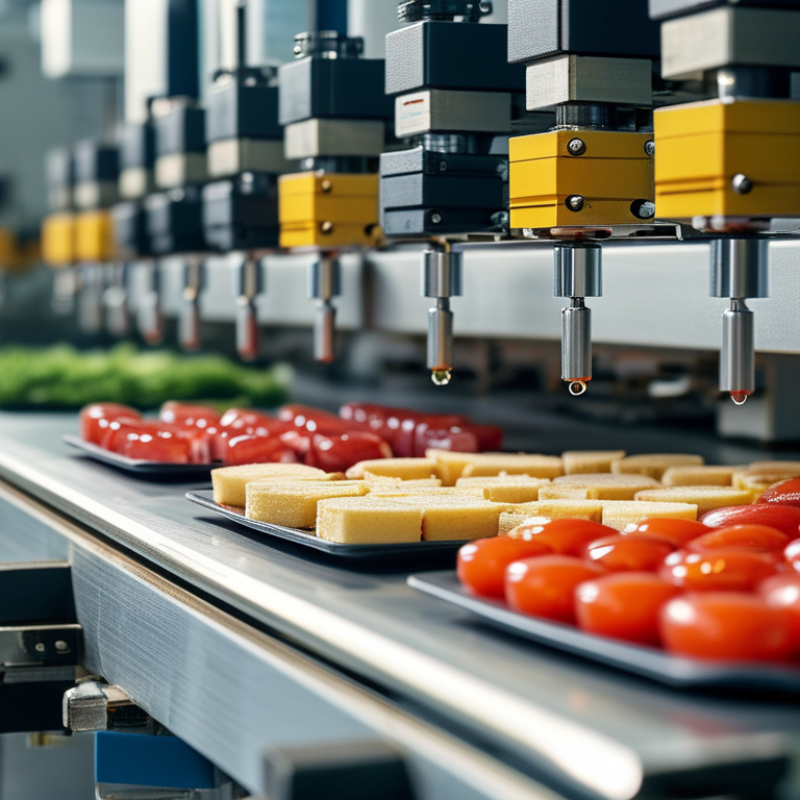
Choosing the right food inspection system is crucial for any food business. Understanding the key concepts and terminology can guide this decision-making process. Food inspection systems, in essence, are tools to detect contaminants and ensure compliance with health regulations. These systems often incorporate technologies such as vision inspection, metal detection, and X-ray analysis.
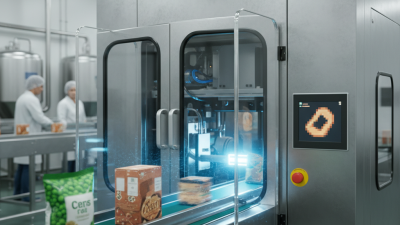
Vision inspection systems use advanced cameras to identify defects in packaging or labeling. They can scan products at high speeds, catching errors that the human eye might miss. Similarly, metal detectors are vital in avoiding contamination, especially in meat and dairy products. X-ray inspection is an innovative method that can detect foreign objects hidden within food items. Learning how each system functions can help you tailor your choice to your specific needs.
It's essential to evaluate accuracy and reliability when selecting an inspection system. Not all systems are foolproof; some may yield false positives or negatives. This inconsistency can lead to operational inefficiencies. Regular maintenance and updates are necessary to ensure these systems perform optimally. Reflecting on your specific requirements can lead to more informed choices, ultimately enhancing food safety and quality.
How to Choose the Best Food Inspection Systems for Your Business?
| Feature |
Description |
Importance Level |
Example Technologies |
| Detection Sensitivity |
The ability to identify contaminants and defects in food products. |
High |
X-ray Inspection, Metal Detectors |
| Speed of Inspection |
Rate at which the system can process food products. |
Medium |
Inline Checkweighers, Vision Systems |
| Ease of Use |
User-friendliness of the software and hardware components. |
Medium |
User Interface Designs, Training Features |
| Regulatory Compliance |
Adherence to food safety standards and regulations. |
High |
HACCP Compliance Tools |
| Maintenance Requirements |
Frequency and complexity of required maintenance. |
Medium |
Scheduled Maintenance Alerts |
| Cost |
Overall investment required for the system. |
High |
Initial Purchase Price, Operating Costs |
Identifying Your Business Needs: Assessing Food Safety Requirements
Identifying your business needs is crucial when selecting a food inspection system. Each food business has unique safety requirements. Understanding these needs helps reduce risks and ensures compliance with regulations. According to the Food and Drug Administration (FDA), 48 million Americans get sick from foodborne illnesses each year. This statistic underscores the importance of effective inspection systems.
Consider your specific operations. Are you a manufacturer, distributor, or retailer? Each sector has different inspection demands. For instance, manufacturers may require systems that inspect for contaminants like foreign materials, while retailers might focus on temperature monitoring. A report from the Food Safety and Inspection Service (FSIS) notes that proper monitoring can cut contamination rates significantly. Align your inspection methods with your operational challenges.
Additionally, consider the scale of your operations. A small business may need basic systems, while larger organizations often require more advanced technology. Reflect on your past experiences with food safety incidents. Did any inspection gaps lead to product recalls or customer complaints? Learning from these moments is essential for improvement. An ideal inspection system addresses these shortcomings while bolstering consumer trust.
Evaluating Different Types of Food Inspection Technologies
When evaluating food inspection technologies, businesses have various options. Each technology has distinct advantages and limitations.
Visual inspection systems
are common but may miss subtle defects. An industry report by the Food Safety and Inspection Service shows that nearly
30% of food safety failures stem from inadequate inspections.
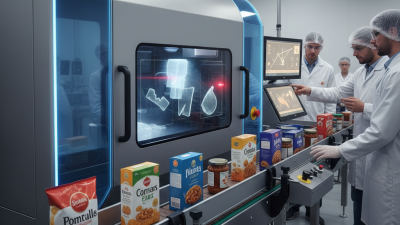
X-ray inspection systems provide a detailed view of products. They detect foreign objects like metal or glass, ensuring consumer safety.
However, these systems can be costly. A significant consideration is the maintenance and calibration required for accuracy.
Industry data indicates that 15% of inspections fail due to equipment malfunction.
Regular upkeep is essential for reliable results.
Another option is machine vision technology.
This method uses cameras to analyze product quality. It excels in identifying surface defects and inconsistencies. Yet,
it may struggle with translucent materials. Around 20% of manufacturers report challenges
in implementing this technology due to integration issues.
Clear understanding and adjustments to processes are crucial for successful deployment.
In conclusion, carefully examining these technologies can lead to better food safety
and quality assurance.
Comparing Costs and Budgets for Food Inspection Solutions
When selecting food inspection systems, budget plays a critical role. The costs of these systems can range widely, from thousands to tens of thousands of dollars. Reports indicate that businesses can spend an average of $30,000 annually on various inspection technologies. However, there are cheaper alternatives that may not always meet the required standards.
Analyzing your specific needs is essential. Factors like production scale and the type of products influence the cost. Surprisingly, many companies underestimate the ongoing expenses. Maintenance, training, and updates can add significant costs over time. According to industry experts, around 30% of initial budgets may be eaten up by these hidden fees.
Investing in the right inspection solution is vital for compliance and safety. Yet, it’s important to be wary of overly cheap options. Cutting corners could lead to higher costs in the long run, such as fines or recalls. Consider this: an improper inspection system can cost a business millions in damages. Understanding the long-term implications of your choice is crucial.
Selecting a Reliable Vendor: Best Practices for Partnership
Choosing a reliable vendor for food inspection systems is crucial. A strong partnership can enhance product safety and compliance. Look for vendors with industry experience. They should understand food industry regulations. Check their certifications and training protocols. These elements indicate a commitment to quality.
Evaluate the vendor's customer service. Fast and effective communication can make a difference during critical times. Ask about their support after installation. A reliable vendor should offer ongoing training and resources. Sometimes issues arise after systems are in place. Ensure they are accessible when you need them.
Don’t hesitate to seek feedback from other businesses. Their experiences can provide insights into the vendor’s reliability. Consider visiting their facility, if possible. Observing their operations may reveal important information you may not have expected. This could expose potential red flags worth addressing. Keep an open line of communication for future collaboration. It’s essential for a fruitful partnership.
Comparison of Food Inspection System Features