How to Choose the Best Oil Friction Tester for Your Needs?
Choosing the right Oil Friction Tester is crucial for industries reliant on lubrication technology. With increasing demand for high-performance lubricants, experts predict a 10% growth in the oil testing market by 2025. Advanced testers measure friction and wear accurately, providing vital data for product formulation.
Dr. Emily Carter, a leading expert in lubrication science, states, “The right Oil Friction Tester can determine the efficiency of your lubricants.” Her research highlights that choosing a tester with precise measurement capabilities can significantly improve product performance and durability.
Understanding your specific needs is essential. Different applications require different testing standards. Some testers focus on high-temperature scenarios while others excel in low-viscosity environments. An informed choice can lead to enhanced operational efficiency and reduced costs. Investing time in selecting the right tester will pay off in the long run. However, not all testers are created equal. A thorough evaluation of available options is necessary to avoid suboptimal decisions that could hinder performance.
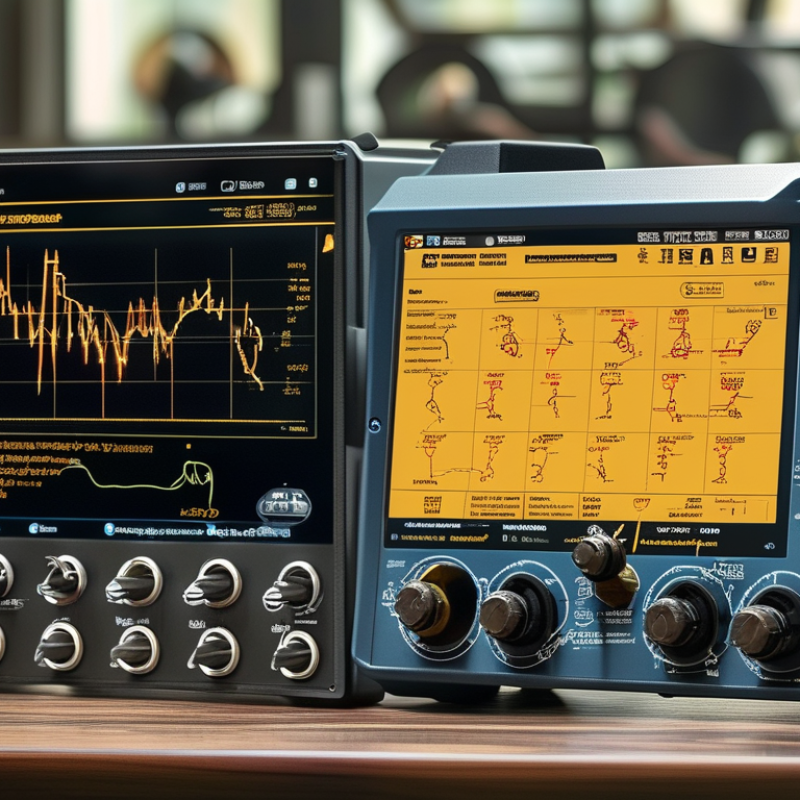
Understanding the Importance of Oil Friction Testers in Industry
Oil friction testers play a significant role in various industries, particularly in lubricant and automotive sectors. They assess the performance of oils under different friction conditions. According to a recent industry report, proper testing can lead to a 25% improvement in machinery efficiency. This efficiency boost translates to substantial cost savings and enhanced durability for equipment.
Understanding how to select the right oil friction tester is crucial. Not all testers are created equal. Some may not provide the level of precision required for critical applications. Look for testers that offer precise measurement capabilities and are compliant with industry standards. It’s essential to evaluate the tester's specifications and calibration history.
Tips: Ensure that your selected tester can simulate realistic conditions. This provides reliable data that mirrors actual operating environments. Consider maintenance needs and replacement costs too. Regular calibration checks will extend the lifespan of your testing equipment. Investing in quality testers supports informed decision-making and optimizes machine performance.
Key Features to Consider When Selecting an Oil Friction Tester
When selecting an oil friction tester, it is essential to look for key features that align with your specific needs. Start by examining the measurement range. A good tester should measure a variety of friction coefficients under different conditions. This diversity allows for more comprehensive testing. Consider the accuracy of the device as well. Precision is paramount. An accurate tester provides reliable data essential for making informed decisions.
Another critical feature is the ease of use. A tester should have an intuitive interface. Complicated devices can lead to errors or mishandling. Check if the design allows for quick setup and operation. Portability is vital too. A compact design can make field testing easier. Durability also matters. A well-constructed device can withstand rigorous testing environments, ensuring long-term reliability.
Data analysis capabilities should not be overlooked. Advanced testers come with software that facilitates data tracking and reporting. This feature enhances your understanding of trends in friction behavior over time. However, be cautious with jargon-laden interfaces; they can be overwhelming. Ensure that whatever tool you choose meets your requirements without adding unnecessary complexity.
Comparative Analysis of Different Types of Oil Friction Testers
Choosing the right oil friction tester can be challenging. Different types cater to various needs. Understanding these differences is crucial for making an informed choice.
Rotational testers are popular for their precision. They measure the frictional properties under controlled conditions. While effective, they often require periodic calibration, which can be a hassle. Their sensitivity might not suit all applications. In contrast, capillary testers offer a simpler design. They rely on fluid behavior rather than complex mechanics. However, their results can be influenced by environmental factors, leading to inconsistencies in readings.
Some advanced testers combine technologies for better accuracy. They can gauge parameters like temperature and pressure simultaneously. Yet, these options might be too complex for basic needs. When deciding, consider your specific application and required accuracy. The ideal choice balances functionality, ease of use, and reliability. Your experience with testing may reveal unexpected challenges, pushing you to reassess your decision later on.
How to Choose the Best Oil Friction Tester for Your Needs? - Comparative Analysis of Different Types of Oil Friction Testers
| Type of Tester | Measurement Range | Accuracy | Key Features | Price Range |
| Rotary Testers | 0.01 - 100 µm | ±1% | High precision, user-friendly interface | $500 - $1500 |
| Ball-on-Disk Testers | 0.1 - 50 µm | ±2% | Simulates real-world conditions, adjustable speed | $300 - $1200 |
| Four-Ball Testers | 0.01 - 30 µm | ±1.5% | Standard industry tests, robust design | $700 - $2000 |
| Micro-Scale Friction Testers | 0.01 - 5 µm | ±1% | For micro-coatings, detailed analysis | $1000 - $3000 |
Evaluating Accuracy and Reliability in Oil Friction Testing Equipment
When evaluating oil friction testing equipment, accuracy is crucial. The instrument must provide consistent results across multiple tests. Variations can stem from differences in temperature and pressure. It is essential to calibrate the device regularly. Calibration can help reduce potential errors. Additionally, using a reference oil sample can enhance reliability.
Reliability also depends on the design of the tester. Look for durable materials that withstand repeated use. Testing conditions should mimic real-world scenarios. Some testers only work well under specific conditions. Investigate the machine's range of viscosity and temperature settings. This ensures it meets your specific application needs.
Data interpretation is another area to consider. Ensure the equipment provides clear and comprehensible results. Complex data can lead to confusion. Sometimes, the readings require additional context for accurate analysis. Reflect on your team's experience with technical data. Investing in training can boost your team’s confidence in interpreting results effectively.
Budgeting and Maintenance Aspects of Oil Friction Testers
When selecting an oil friction tester, budgeting and maintenance aspects should not be overlooked. Understanding the full financial impact is crucial. The initial cost may be just one part of the equation. Regular maintenance expenses can add up over time. It’s essential to plan for these costs to ensure the equipment remains in good working condition.
Consider the type of materials used in the tester's construction. Durable materials might incur higher upfront costs but can lead to lower maintenance needs. Conversely, cheaper materials may require frequent repairs or replacements. It’s a balancing act that demands careful thought.
Moreover, some testers need specific types of calibration or servicing. This can mean additional costs and potential downtime. Ensure that you account for these aspects when creating your budget. Investing time in research can prevent unpleasant surprises later. It’s a good practice to compare different options thoroughly. Some choices may seem financially appealing, yet hidden costs could arise. Every aspect requires reflection before making a final decision.
How to Choose the Best Oil Friction Tester for Your Needs?
This chart compares various oil friction testers by their initial cost and annual maintenance cost. Understanding these factors is essential for selecting the best tester for your budgeting and maintenance needs.

