How to Choose the Best Tensile Testing Machine for Your Needs?
Choosing the right Tensile Testing Machine is crucial for industries focused on material testing. As the demand for precise measurements increases, understanding your specific needs becomes essential. According to a market report by Research and Markets, the global tensile testing machine market is projected to reach $600 million by 2025, emphasizing its significance in various sectors.
Expert Dr. Emily Roberts, a leading authority in material testing, once stated, “The right tensile testing machine can make or break your quality assurance processes.” Her insight reveals the importance of selecting equipment that meets regulatory and accuracy standards. Factors like load capacity, speed, and testing range should align with the materials involved.
In this evolving field, not all tensile testing machines are created equal. It’s easy to overlook certain specifications or features, leading to suboptimal testing results. Investing time in research can prevent future errors. Balancing cost and functionality is often challenging but necessary for efficiency and reliability in testing procedures.
Understanding the Basics of Tensile Testing Machines
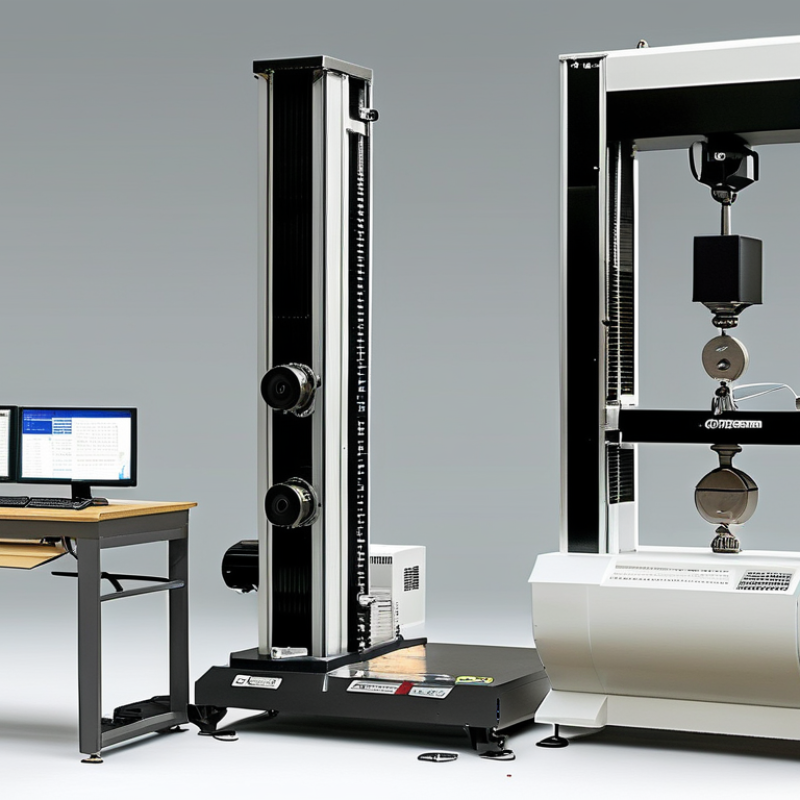
When selecting a tensile testing machine, understanding the basics helps in making an informed choice. Tensile testing measures materials' strength and ductility. A typical machine applies tensile force until the specimen fails. This testing is crucial in various industries, from construction to manufacturing. It helps ensure that materials meet safety and performance standards.
Tips: Consider the load range you need. A machine with a high capacity may be unnecessary for lightweight materials. Also, check the extensometer's precision. Accurate measurements can significantly affect results, especially at the yield point.
User experience often reveals weak points. A complex machine can intimidate staff. Proper training is essential for efficient use. Evaluate the software compatibility with existing systems. It should integrate seamlessly to provide accurate data analysis. Be aware that exploring various options can lead to confusion. Stay focused on your specific requirements to avoid overwhelming yourself.
Key Factors to Consider When Selecting a Tensile Testing Machine
Choosing the right tensile testing machine involves understanding key factors that match your specific testing needs. One crucial aspect is the machine's load capacity. According to a report by the International Organization for Standardization (ISO), tensile testing machines typically range from a few hundred Newtons to over 1,000 kN. Selecting the appropriate capacity ensures accurate measurements for your materials.
Another important factor is the testing speed. Research indicates that varying the speed can affect the stress-strain curves significantly. For instance, high-speed tests may reveal different material behaviors compared to low-speed tests. Considering the type of materials used can help determine the right speed settings for your tests.
User-friendliness is also essential. A machine with an intuitive interface can save time and reduce operational errors. Many operators struggle with complex software. The right machine should allow easy data acquisition and analysis. Additionally, ensure the machine complies with relevant standards like ASTM or ISO, which adds credibility to your results. Balancing these factors can lead to informed decisions that enhance testing precision.
Types of Tensile Testing Machines and Their Applications
Tensile testing machines play a crucial role in evaluating material properties. They are essential for industries like aerospace, automotive, and construction. Understanding the types available can help you select the right one for your applications.
Universal testing machines (UTMs) are the most commonly used. They can test a variety of materials, including metals, polymers, and composites. According to a report by Global Industry Analysts, the universal testing machine market is expected to reach $1.1 billion by 2026. These machines work well for standard testing scenarios, like tensile and compression tests.
Specialized tensile testing machines exist for specific needs. For instance, dynamic and fatigue testing machines are designed to analyze materials under cyclic loads. Their data can be critical in industries where material failure can have catastrophic consequences, such as aerospace. A study from Research and Markets states these machines can improve testing accuracy by up to 30%.
Choosing the right machine could mean the difference between reliable data and misleading results. It’s important to evaluate your unique requirements carefully, as not all machines can meet all testing standards. Always consider the specific materials you work with to ensure compatibility.
Types of Tensile Testing Machines and Their Applications
Evaluating Specifications: Load Capacity, Measurement Range, and Features
When selecting a tensile testing machine, evaluating specifications is crucial. Load capacity is a primary consideration. You'll need to know the maximum load your materials can withstand. A machine with inadequate load capacity could lead to inaccurate results or damage. Too high a capacity can mean unnecessary costs. Understanding your requirements helps in making the right choice.
Measurement range also plays a vital role. Machines vary in the range of measurements they can obtain. If you work with materials that require precise readings, select a machine that covers your specific needs. Sometimes machines have limited ranges that might not suit your applications. Take the time to analyze what you need.
Finally, consider the additional features of each machine. Some include software for data analysis, while others focus on usability. Ask about instrument calibration and maintenance options too. Machines can appear similar, yet their features can make a significant difference over time. Reflect on your criteria carefully. Investing in a tensile testing machine that aligns closely with your requirements ensures accuracy and reliability in your testing processes.
Budgeting for Your Tensile Testing Machine Purchase and Maintenance Costs
Budgeting for a tensile testing machine involves more than just the purchase price. You must consider installation costs, training expenses, and ongoing maintenance. It’s essential to assess your laboratory's specific needs. The type of materials you test will influence your choices. Is it metals, plastics, or composites? Each material might require different capabilities.
Maintenance costs can add up quickly. Regular calibration is crucial for accurate results and longevity. Don’t forget about software updates. Neglect in this area could lead to outdated testing methods. It's wise to factor in these costs when creating your budget. You should also plan for potential repairs. Setting aside funds for unexpected issues can save you from larger financial setbacks.
Consider your long-term needs as well. A higher initial investment might provide better accuracy and features. However, can your budget support it over time? It’s important to weigh the return on investment. Finding a balance between cost and quality is pivotal. Reflect on your specific requirements and how often you use the machine. Adjust your budget to match these insights for effective planning.

