Top Tips for Choosing the Best Varpe Checkweigher?
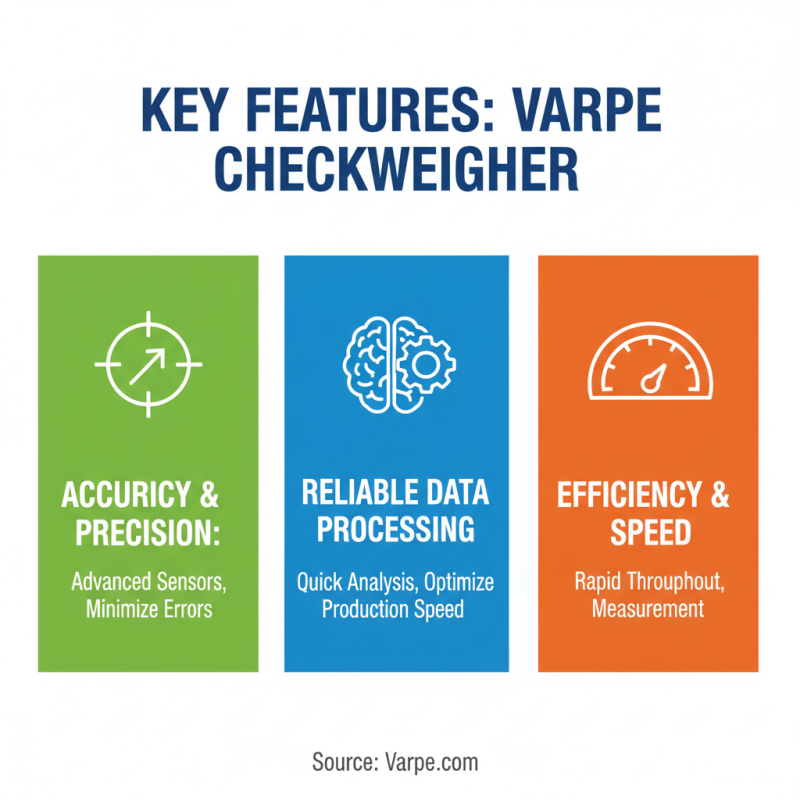
Choosing the right varpe checkweigher is crucial for ensuring quality and efficiency in any production line. A checkweigher provides precise weight measurements, enhancing product consistency. It can also help in regulatory compliance, which is essential in various industries.
Selecting a varpe checkweigher involves understanding your specific needs. You must consider factors like speed, accuracy, and the types of products being measured. The integration of the checkweigher into your existing systems is another vital point. Inspecting user feedback can provide insights into performance and reliability.
Reflecting on these elements often reveals gaps in knowledge. Not all varpe checkweighers are created equal; some may excel in certain environments while underperforming in others. It's essential to be thorough in your research. This approach ensures you make an informed decision that boosts your operations rather than complicates them.

Understanding the Importance of Varpe Checkweighers in Industry
In industries where precision is critical, the role of checkweighers cannot be overstated. Varpe checkweighers help ensure that products meet weight specifications. This accuracy reduces waste and enhances product quality. When dealing with food, pharmaceuticals, or delicate materials, even slight variances can lead to issues. Industries thrive on consistency, making precise weight measurement essential.
The technology behind Varpe checkweighers offers real-time data. This feature allows for immediate adjustments in the production line. Operators can spot issues faster, preventing larger problems down the road. A poorly functioning checkweigher can result in heavy costs and compliance issues. Teams should regularly check calibration and functionality. While these machines are designed for reliability, occasional errors may arise.
Understanding the nuances of these machines is crucial. Training staff to recognize warning signs can enhance overall efficiency. Investing in a reliable checkweigher pays off in the long term. However, choosing one requires careful consideration and knowledge of your specific needs. Not every model fits every production line. Making the wrong choice can lead to frustration and wasted resources.
Evaluating Accuracy and Performance Standards for Checkweighers
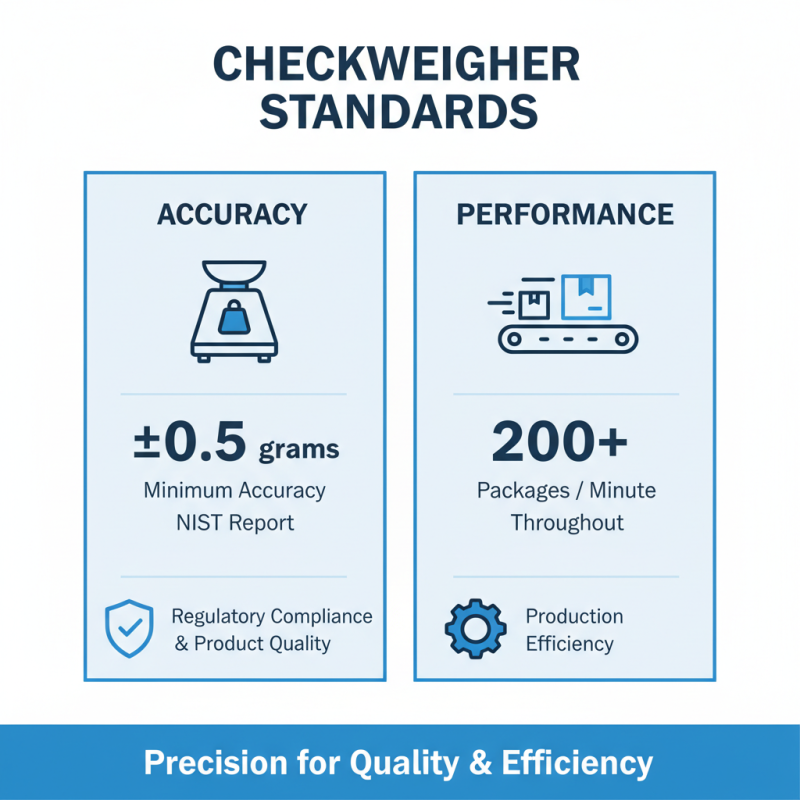
When evaluating the accuracy and performance standards for checkweighers, precision is paramount. A report from the National Institute of Standards and Technology highlights that checkweighers should have a minimum accuracy of ±0.5 grams for many applications. This precision ensures compliance with industry regulations and enhances product quality. A checkweigher's performance can directly impact production efficiency. Many facilities aim for a throughput of over 200 packages per minute while maintaining accuracy.
To achieve optimal performance, it’s crucial to consider several factors. The speed of the conveyor system plays a significant role in how quickly items are processed. If too fast, accuracy may diminish. Regular calibration is also necessary; a study indicated that nearly 20% of checkweighers were out of calibration, affecting their reliability. Using checkweighers with robust software features for data analysis can streamline this process.
Errors in weight measurement can incur additional costs and regulatory penalties. This reality highlights the need for a thorough evaluation of equipment capabilities. Despite advancements, human error still exists. Many operators are not fully trained to interpret results accurately. Thus, ongoing training and evaluation should be a priority, ensuring teams understand both the technology and the standards they need to meet.
Comparing Cost vs. Benefits in Selecting Varpe Checkweighers
When selecting a Varpe checkweigher, comparing cost versus benefits is essential. It's vital to understand that the lowest price may not always yield the best value. A more affordable machine might lack essential features, leading to higher operational costs in the long run. Consider the checkweigher's efficiency and accuracy. An investment in a reliable model can minimize errors and waste.
Also, think about maintenance and support. Some high-cost models come with extensive warranties and dedicated support. This can save money over time by reducing downtime and service calls. Choose a checkweigher with user-friendly software. Complex systems may lead to higher training costs for your staff.
Lastly, take feedback seriously. Not all features work for every business. Some users report issues that require reflection on their choices. Through careful evaluation, balancing costs and benefits becomes clearer. Aim for a thoughtful decision that aligns with your operational goals.
Cost vs. Benefits of Varpe Checkweighers
Customer Support and Maintenance Considerations for Checkweighers
Choosing a checkweigher is not just about the machine. Customer support and maintenance play a crucial role. Effective support ensures minimal downtime, which is vital for maintaining productivity. Evaluate the response time of the customer service team. Quick resolutions can prevent long interruptions in your operations.
Maintenance is equally important. Regular servicing extends the life of your checkweigher and keeps it running efficiently. Create a maintenance schedule that aligns with your production needs. A well-maintained machine is a reliable machine.
When assessing options, look for companies that offer comprehensive support packages. This can include training for your staff. It's essential that your team understands how to operate the machine effectively. Check for availability of replacement parts as well. Long wait times for parts can lead to unnecessary delays.