BLOG

How to Determine Food X Ray Machine Price for Your Business Needs?

Determining the food X ray machine price is essential for any food processing business. According to industry expert Dr. Emily Foster, "Investing in accurate detection technology saves businesses from costly recalls." Understanding this investment is critical in today's market.

The food X ray machine price can vary widely, influenced by features like detection capabilities and brand reputation. For small businesses, even a slight difference in price can significantly impact budgets. It’s important to analyze what features are necessary and which can be foregone.

However, many companies overlook long-term costs. A cheaper machine might save initial funds but could lead to higher maintenance expenses. Companies must weigh immediate costs against future risks. Inaccurate detection can lead to liabilities, so it is crucial to make an informed decision about food X ray machine price.
How to Determine Food X Ray Machine Price for Your Business Needs?

Factors Influencing Food X Ray Machine Pricing
How to Determine Food X Ray Machine Price for Your Business Needs?

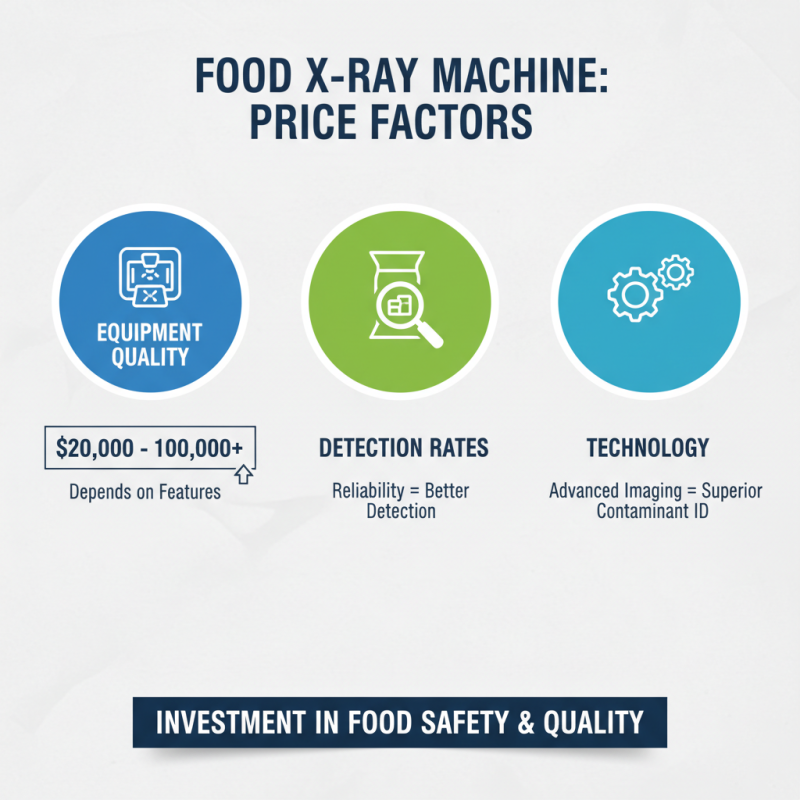
When considering the price of a food X-ray machine, several factors come into play. Equipment quality significantly influences costs. A high-quality machine can range from $20,000 to $100,000, depending on its features. Industry reports suggest that reliable machines offer better detection rates. For instance, a machine with advanced imaging technology may identify contaminants more effectively.

Operational costs also impact pricing. Maintenance and training for staff can add up. On average, yearly maintenance can cost about 10% of the machine price. This means a $50,000 machine might incur an annual $5,000 upkeep cost. Additionally, training new employees could require a budget of around $1,500 to $3,000 annually, depending on the complexity of operations.

Lastly, market demand shapes pricing trends. In recent years, the food safety sector has seen a surge in X-ray machine demand. This growth can drive prices higher. A recent report indicated a 15% increase in demand over the last three years. Companies need to evaluate these fluctuating factors. Balancing initial investment, operational upkeep, and market trends is crucial for making informed decisions.
Understanding the Technology Behind Food X Ray Machines

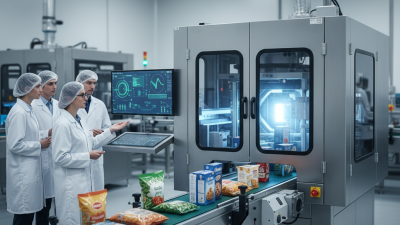
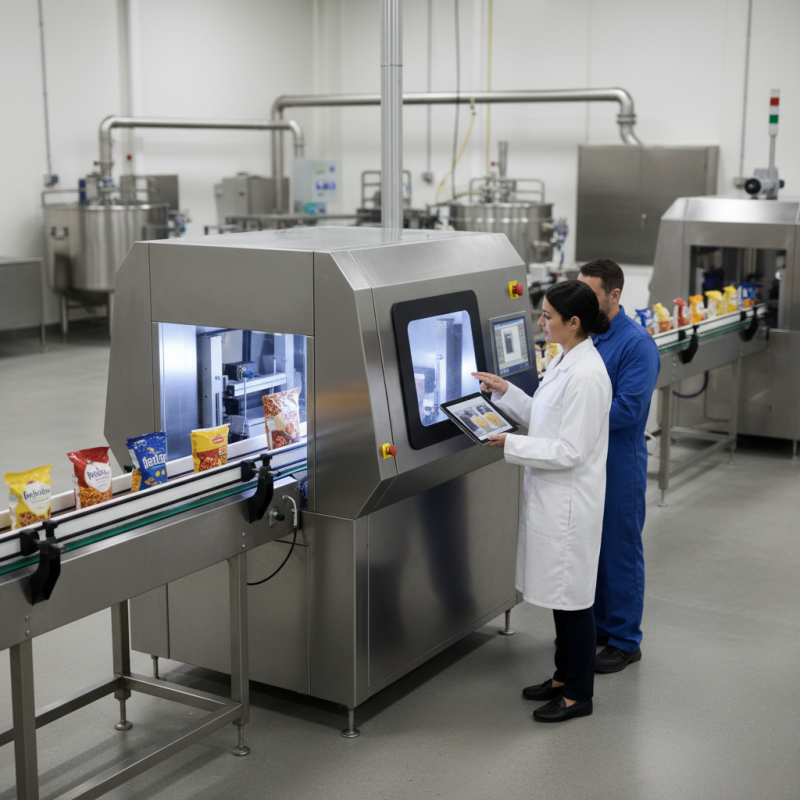
Food X-ray machines use advanced technology to ensure food safety. They help detect foreign objects, such as metal or plastic, in food products. This process enhances quality control for manufacturers. By using X-ray technology, businesses can increase consumer confidence and reduce recalls.

Understanding the technology is essential. X-ray machines work by passing radiation through food. Sensors capture images on the other side. These images are analyzed for abnormalities. Factors like machine efficiency and image clarity impact results. Each machine has limitations, and these must be considered when choosing one.

Cost considerations play a vital role. Businesses must evaluate their needs thoroughly. Are they processing large volumes? Or focusing on specific high-risk products? The price can vary widely, depending on these factors. Investing in technology without proper understanding may lead to regrets later. Thoughtful assessment will guide businesses in making informed decisions.

Comparing Different Brands and Models of Food X Ray Machines

How to Determine Food X Ray Machine Price for Your Business Needs?

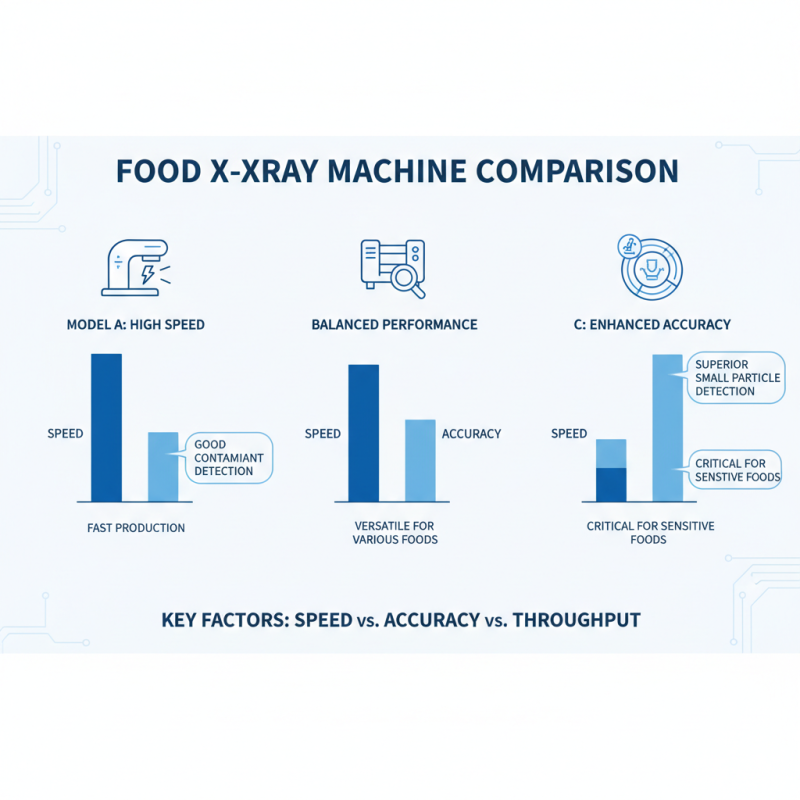
When comparing different brands and models of food X-ray machines, it's important to consider several key factors. Evaluate the inspection speed and accuracy of each model. Some machines detect small contaminants better than others. Think about the throughput of your production line. A faster machine may reduce bottlenecks. However, a slower model might provide more thorough inspection, which can be critical for certain foods.

Tips: Always look for machines with customizable settings. This will allow you to adapt the technology to your specific needs. It’s wise to request demos or trials. This hands-on experience can reveal a lot about usability and effectiveness.

Consider the support offered by manufacturers. Not all brands provide the same level of service after purchase. Read reviews and ask for feedback from other users. Sometimes, a cheaper model may cost more in the long run if it lacks proper support. Reflect on whether you want to prioritize initial cost or long-term reliability. Balancing these factors is key for making the right choice for your business.

Evaluating Maintenance and Operational Costs of X Ray Machines

When choosing an X-ray machine for your business, operational and maintenance costs are crucial. The initial purchase price is just a fraction of the total spending. For instance, it’s reported that businesses spend approximately 15-20% of the machine’s cost annually on maintenance. This includes parts replacement and services.

Routine maintenance, while essential, can be unpredictable. An unexpected breakdown can lead to skyrocketing repair costs, disrupting operations. Regular calibration is necessary too, ensuring accurate imaging. Machine downtime can adversely affect profits, as every hour lost means revenue missed.

**Tip:** Always factor in ongoing costs when budgeting for equipment.

Training your personnel to operate the equipment safely is an added expense. Training costs can range from a few hundred to several thousand dollars, depending on the complexity of the machine. Investing in staff development might seem costly upfront but pays off by reducing maintenance and operational risks.

**Tip:** Compare different training solutions to find the most efficient option.

Not all X-ray machines require the same upkeep. Some advanced models have lower maintenance needs due to improved technology. It’s essential to research various options. Understand that choosing the cheapest machine may lead to higher long-term costs. A balance between upfront expense and reliability is vital.

How to Determine Food X Ray Machine Price for Your Business Needs? - Evaluating Maintenance and Operational Costs of X Ray Machines

Cost Item Estimated Cost ($) Frequency Notes
Initial Purchase Price $25,000 One-time Includes basic warranty
Annual Maintenance Cost $2,000 Yearly Covers regular servicing
Operational Cost per Scan $0.50 Per Scan Electricity and consumables
Additional Repair Costs Varies As Needed Depends on issue
Training Cost $1,500 One-time For operating staff

Assessing ROI for Food X Ray Machine Investment in Your Business

Investing in a food X-ray machine can significantly improve food safety and quality control. However, it is crucial to assess the return on investment (ROI) carefully. A study by the Food Safety Modernization Act indicates that food recalls can cost businesses an average of $10 million. An effective X-ray machine can help prevent such costly issues.

When evaluating ROI for a food X-ray machine, consider both direct and indirect costs. Direct costs include the machine's purchase, maintenance, and operation. Indirect costs can be harder to define but include improved customer trust and brand reputation. A report from the Food and Drug Administration highlights that consumers are willing to pay 5-10% more for products they perceive as safer.

A food X-ray machine can reduce the chances of contamination, which minimizes financial risks. Still, the initial investment can be daunting. Some businesses have struggled to integrate these technologies effectively. They found that without proper training, employees might not utilize the machine's full potential. This reveals a gap in achieving maximum ROI. In some cases, re-evaluating operational workflows can yield better results.

Investment ROI for Food X Ray Machines