BLOG

Essential Tips for Sourcing SUS Feeder Effectively?

Sourcing an SUS FEEDER is a crucial step in ensuring operational efficiency. The right SUS feeder can enhance the flow of materials and improve production quality. Yet, many face challenges in selecting the most suitable option. Understanding specific requirements is essential.

When considering an SUS feeder, knowledge of the application area is vital. You need to assess factors like material types, size specifications, and operational environment. Many overlook these details, leading to inefficiencies. Engaging experts in the field can streamline the decision-making process. Their experience offers valuable insights that can prevent costly mistakes.

Researching different suppliers is also necessary. Not all vendors offer the same quality or expertise. It’s important to ask about their track record. Peer recommendations and online reviews can provide clarity, but not everyone has access to reliable sources. This makes diligent research even more critical when sourcing an SUS feeder.
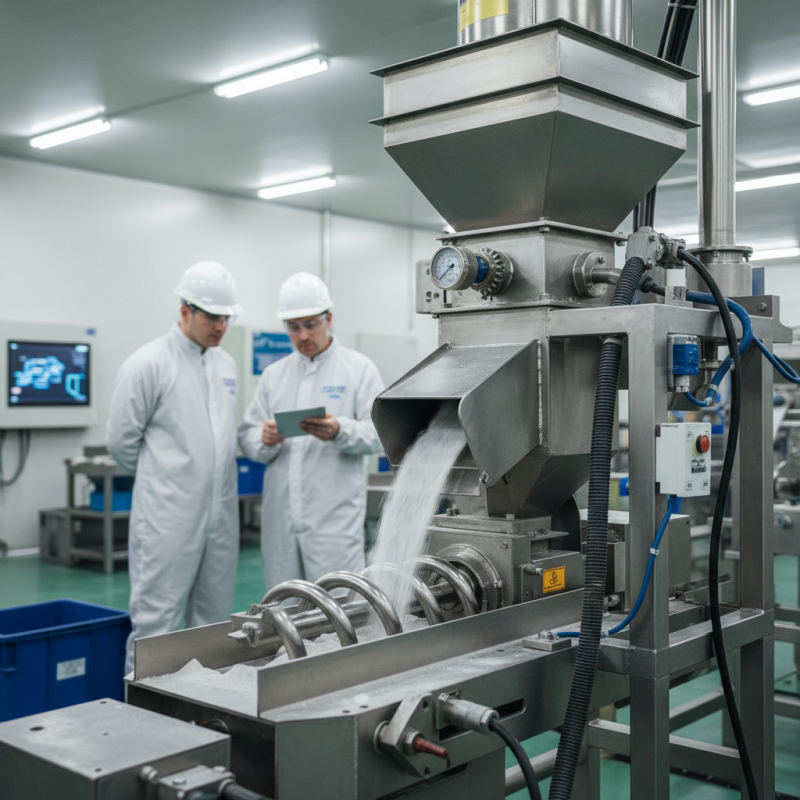
Essential Tips for Sourcing SUS Feeder Effectively?

Understanding the Importance of SUS Feeders in Manufacturing

SUS feeders play a crucial role in manufacturing processes. They ensure the smooth and efficient transfer of materials. According to industry reports, effective sourcing of SUS feeders can improve production efficiency by up to 30%. Understanding their importance helps manufacturers optimize workflows.

When sourcing SUS feeders, consider compatibility with existing systems. Evaluate the materials used in constructions to ensure durability. Detailed specifications should be reviewed carefully to avoid costly mistakes. Ensure the feeders can handle varying material sizes and weights, which is vital for diverse manufacturing processes.

Tips for sourcing include assessing supplier reliability. Visit manufacturing facilities to see operations first-hand. Request case studies or testimonials from other manufacturers. This provides insight into quality and performance. Always negotiate terms, but prioritize quality over cost. Compromising on quality can lead to operational inefficiencies and increased downtime.

Key Factors to Consider When Sourcing SUS Feeders

When sourcing SUS feeders, consider material quality. Stainless steel is popular due to its durability and resistance to corrosion. Different grades of stainless steel offer varying levels of strength and flexibility. Ensure the selected grade meets industry standards for your specific application. Look for suppliers who provide clear specifications and samples to assess quality.

Next, evaluate the design and functionality of the feeders. A well-designed feeder should enhance efficiency and reduce maintenance needs. Check dimensions and ensure compatibility with existing equipment. It’s beneficial to ask about manufacturing processes, as these can affect performance. Reliable suppliers often share insights about their production methods.

Moreover, supplier reputation matters. Research their history and customer feedback. A supplier with extensive experience typically understands industry needs better. Consider their response time and support services as well. Building a relationship with a trustworthy supplier can lead to smoother operations in the long run. However, keep in mind that new suppliers might offer innovative solutions as well. Balancing risk and benefit is essential in this selection process.

Essential Tips for Sourcing SUS Feeders Effectively

Identifying Reliable Suppliers for SUS Feeders

Finding reliable suppliers for SUS feeders is critical for effective sourcing. Start by researching local and international vendors. Focus on companies with a solid reputation in the industry. Look for suppliers that have been in business for several years. Their experience often translates into reliability.

Check customer reviews and testimonials. Feedback from past clients reveals potential strengths and weaknesses. Pay attention to their quality control processes. Are they transparent about how they maintain standards? Ask about certifications they hold. This displays their commitment to quality.

Don’t hesitate to reach out for quotes and specifications. Compare not just prices but also service quality. What is their response time? Are they willing to answer specific queries? Engaging in direct communication can reveal a lot about their processes. Trust your instincts when something seems off. The right supplier should inspire confidence and meet your project requirements efficiently.

Evaluating SUS Feeder Quality and Specifications

When sourcing SUS feeders, evaluating quality and specifications is critical. The quality of materials significantly impacts performance and longevity. According to industry reports, over 30% of feeder failures stem from low-quality components. This statistic underscores the importance of careful evaluation.

Understanding specifications is equally vital. Assessing the size, compatibility, and mechanical properties of SUS feeders can prevent costly operational issues. For example, improper sizing can lead to inefficient material flow, affecting production efficiency. Industry standards indicate that nearly 25% of equipment downtime is caused by such mismatches. Therefore, always cross-check specifications against manufacturer guidelines.

Performance testing is an essential part of evaluation. Conducting tests on feeder prototypes can highlight potential weaknesses. A notable case study showed that refinements based on testing increased feeder efficiency by up to 15%. This data proves the value of a thorough sourcing process. Even small alterations in design can lead to significant improvements. Balancing cost against quality is a delicate task. Cost-cutting measures should not compromise performance.

Cost Management Strategies for Purchasing SUS Feeders

Managing costs effectively is crucial when sourcing SUS feeders. Start with a clear budget. Understanding your spending limits helps prevent overspending. Research market prices to establish a baseline. This knowledge can guide negotiations with suppliers.

Evaluate different suppliers carefully. While a low price is attractive, it may not guarantee quality. Consider exploring local and international suppliers. Often, local suppliers may offer quicker delivery times, which can reduce holding costs.

Always be open to renegotiating terms. Prices may fluctuate based on demand and supply dynamics. Monitor industry trends to adjust your sourcing strategy. Reflect on your past purchases. Identify areas where you overspent or faced delays. Using these reflections can improve future sourcing decisions, leading to more effective cost management.

Essential Tips for Sourcing SUS Feeder Effectively - Cost Management Strategies for Purchasing SUS Feeders

Criteria Importance Level (1-5) Cost Impact (%) Suggested Action
Supplier Reputation 5 15% Conduct thorough research before engaging.
Material Quality 4 20% Request samples and certifications.
Lead Time 3 10% Align order schedule with supplier's capabilities.
Pricing Flexibility 4 25% Negotiate terms based on order volume.
After-sales Support 5 30% Ensure there is a solid support system for issues.

Article Source: