BLOG
Why is X Ray Technology Essential in the Food Industry?
X-ray technology has rapidly become essential in the food industry. It plays a critical role in ensuring food safety and quality. In recent years, the demand for advanced inspection methods has surged. Consumers expect high standards, and manufacturers must comply. X-ray for food industry applications detect foreign objects. This includes metal, glass, and stones. Such detection is crucial for preventing contamination.
The reliability of X-ray systems contributes to better quality control. They help identify packaging faults in real-time. This improves both safety and product integrity. However, not all facilities use this technology. Some manufacturers still rely on traditional methods, which may not be sufficient. There is room for improvement in these areas.
To maximize efficiency, companies must invest in modern solutions. Regular training and updates on X-ray techniques are vital. This ensures that staff are knowledgeable about best practices. The journey to perfect food safety is ongoing. The food industry must continuously adapt. Embracing X-ray for food industry inspection will help overcome these challenges.
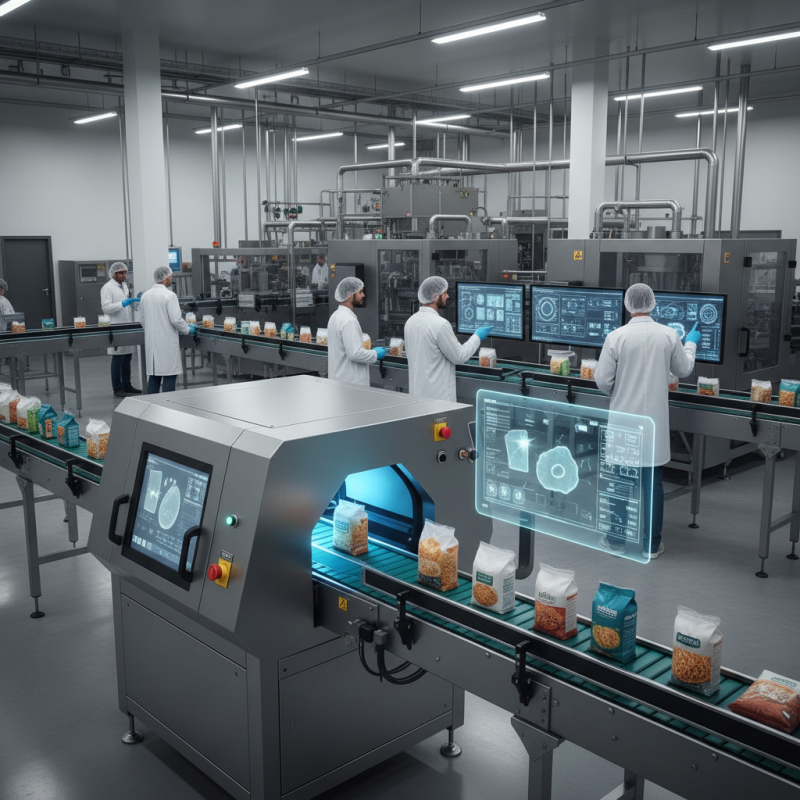
Importance of X Ray Technology in Food Safety and Quality Control
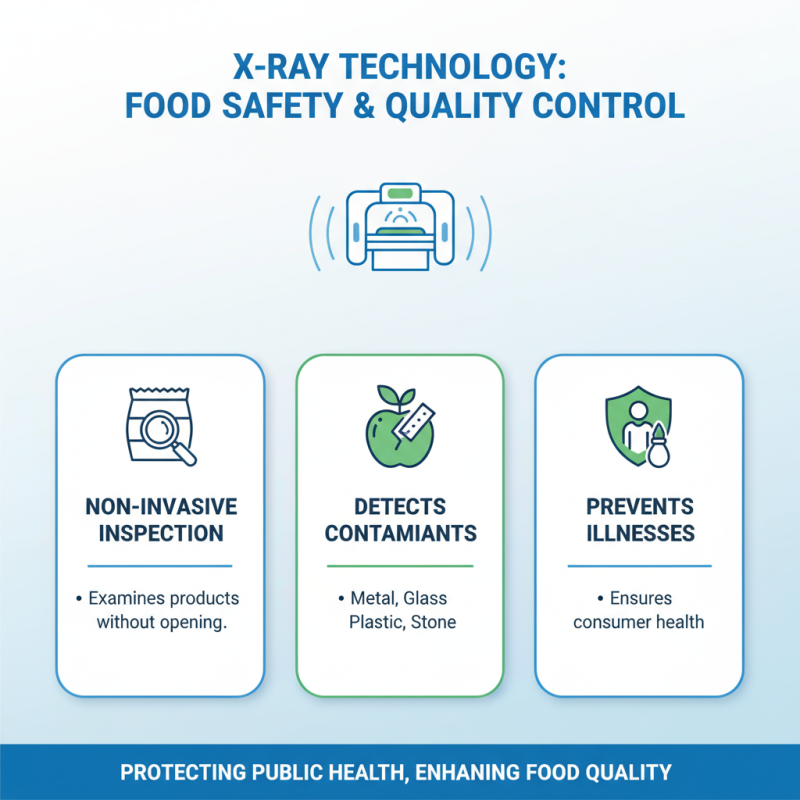
The food industry faces constant scrutiny regarding safety and quality. X-ray technology plays a crucial role in this aspect. It allows for non-invasive inspection of products, identifying contaminants and foreign materials. This detection is essential to prevent foodborne illnesses.
Accurate detection helps ensure consumer confidence in food safety. The use of X-ray systems can spot physical contaminants, such as metal, glass, and bones. These contaminants can easily slip through traditional inspection methods. However, relying solely on X-ray technology can pose challenges. It requires proper calibration and maintenance to function effectively.
Quality control is another critical area where X-ray technology shines. It can measure product density and detect inconsistencies in packaging. However, there is still a learning curve in understanding the results. Operators need training to interpret the data accurately. Misinterpretation may lead to flawed assessments, affecting food quality. Thus, organizations must invest in ongoing education for their staff to maximize the potential of this technology.
How X Ray Inspection Works in Detecting Contaminants
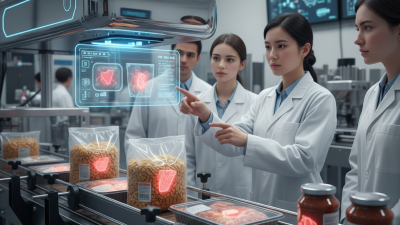
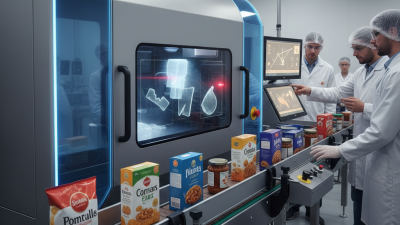
X-ray technology plays a crucial role in the food industry. Its ability to inspect products for contaminants is invaluable. By using high-energy waves, X-ray systems can penetrate packaging materials. They create detailed images of the contents inside. This enables the detection of foreign objects like metal, glass, or plastic.
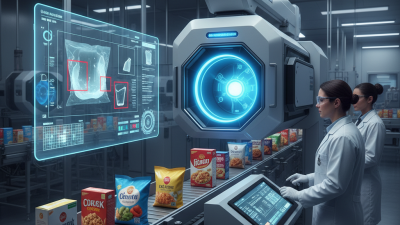
In practice, the process begins with placing the food item on a conveyor belt. The X-ray machine scans the product as it passes by. The system analyzes the images in real time, identifying any anomalies. If a contaminant is detected, the system can automatically reject the faulty item. This quick response minimizes food safety risks.
Despite its advantages, challenges remain. Not all contaminants are easy to detect. Some might be small or obscured by food materials. Operators must regularly calibrate the machines for accuracy. Continuous training is necessary to keep staff updated on the latest techniques. Adopting X-ray technology requires commitment to quality assurance. This ongoing process can enhance food safety significantly.
Benefits of X Ray Technology Over Traditional Inspection Methods
X-ray technology plays a crucial role in the food industry. It offers benefits that traditional inspection methods often lack. X-ray systems can detect foreign objects like metal, glass, and stone in food products. Unlike manual inspections, X-rays provide a detailed view of each package. This precision helps ensure that all items meet safety standards.
One important advantage of X-ray technology is its speed. Traditional methods can be labor-intensive and time-consuming. X-ray machines can scan products quickly, significantly reducing processing time. This efficiency can increase production rates and help reduce costs for manufacturers.
Tips: Regular training for staff on using X-ray machines can enhance inspection quality. Also, periodic maintenance checks ensure machines operate effectively. It's essential to keep up with advancements in X-ray technology. Staying informed can help food businesses remain competitive and ensure product safety. Even with this efficient technology, occasional oversights can occur, so continuous vigilance is vital.
Applications of X Ray Technology in Various Food Products
X-ray technology provides a vital tool in the food industry, enhancing safety standards. It detects contaminants like metal, glass, and plastic in food products. This technology ensures that food is safe for consumers, minimizing health risks.
In meat processing, X-ray systems inspect packages for hidden bones or foreign objects. In snack production, they identify chips that may contain harmful materials. Dairy products can also benefit, as X-ray tech spots foreign items in cheese or milk containers.
However, reliance on this technology isn't without flaws. It sometimes misses smaller contaminants. Companies must combine X-ray inspections with other quality checks. Training staff in proper use is crucial. Understanding the limitations can lead to better results in food safety practices.
Regulatory Standards and Compliance Related to X Ray in Food Industry
X-ray technology plays a crucial role in ensuring food safety and quality. Regulatory bodies set strict standards for food processing. Compliance with these standards helps prevent contamination and ensures consumer trust. Many countries require food manufacturers to implement X-ray inspection systems. These systems detect foreign objects in food products. Their use conserves resources and reduces risks.
Food industry compliance often involves rigorous testing and documentation. Manufacturers must keep detailed records of X-ray inspections. These records demonstrate adherence to safety regulations. Inspectors frequently check equipment to ensure proper functionality. Regular calibration of X-ray machines is essential to maintain accuracy. However, the costs associated with compliance can be daunting for smaller businesses. Investments in technology should balance safety and economic viability.
Despite advancements, challenges remain. Not all food products can be effectively inspected using X-ray technology. Some materials, like certain plastics, may obscure detection. This limitation requires continuous reflection and innovation in inspection methods. The potential for false negatives adds to the complexity, pushing industries to stay vigilant and update practices. Even with regulations in place, the journey toward comprehensive food safety is ongoing.
Why is X Ray Technology Essential in the Food Industry? - Regulatory Standards and Compliance Related to X Ray in Food Industry
| Dimension | Description | Importance | Regulatory Body |
|---|---|---|---|
| Detection of Contaminants | X Ray technology is used to detect foreign objects in food products, ensuring food safety. | Helps prevent foodborne illnesses and protects consumer health. | FDA, EU Food Safety Authority |
| Quality Assurance | Ensures that products meet the required standards for quality and safety. | Enhances consumer trust and brand reputation. | ISO, BSI |
| Regulatory Compliance | Facilitates compliance with local and international food safety regulations. | Avoids legal penalties and product recalls. | USDA, Codex Alimentarius |
| Process Efficiency | X Ray technology can streamline production processes by quickly identifying issues. | Increases operational efficiency and reduces waste. | EPA |
| Market Competitiveness | Using state-of-the-art X Ray technology can be a competitive advantage in the market. | Attracts customers looking for high-quality, safe food products. | National Food Safety Agencies |
Related Posts
-
How X Ray Technology Is Revolutionizing the Food Industry?
-
Why Is X Ray Food Inspection Crucial for Food Safety and Quality?
-
2026 Best X Ray Technology Innovations in the Food Industry?
-
2026 How to Use X Ray Technology in the Food Industry?
-
2026 How to Use X Ray Technology in the Food Industry for Safety?
-
2026 Top X Ray Food Inspection Trends at 139th Canton Fair?