Top Flotation Equipment for Global Buyers in 2026?
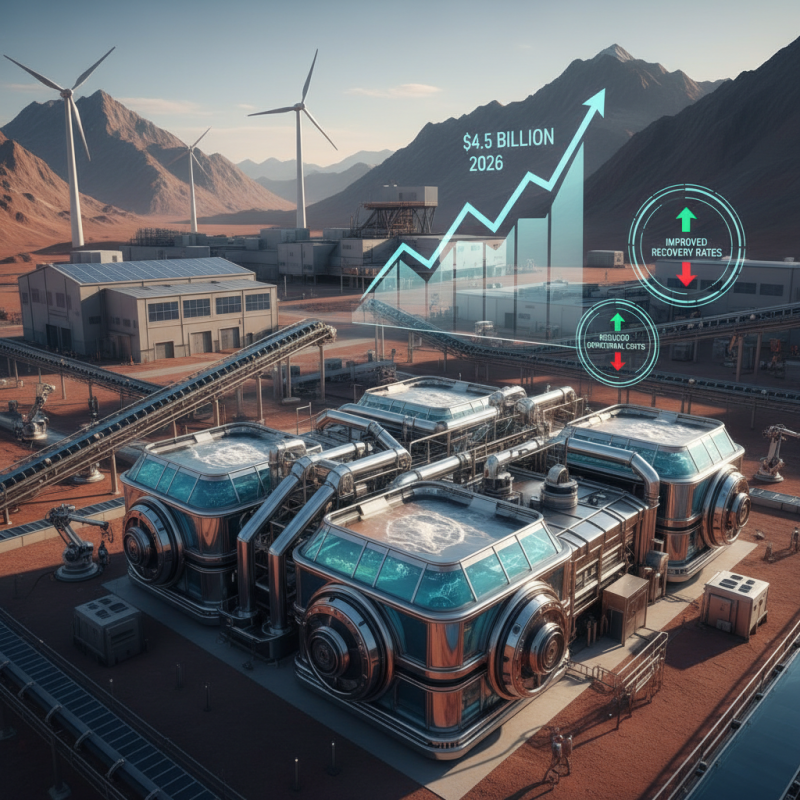
The future of Flotation Equipment is pivotal for multiple industries, particularly mining and mineral processing. According to a recent market analysis by ResearchAndMarkets, the global flotation equipment market is projected to reach $4.5 billion by 2026. This growth reflects rising demand for efficient separation technologies. As industries seek to optimize resource extraction, the role of flotation systems becomes increasingly significant.
Flotation Equipment provides crucial advantages, such as improved recovery rates and reduced operational costs. However, challenges remain. Many operators grapple with selecting the right technology for specific materials. Customization can lead to efficiency, but it also heightens complexity. Additionally, market volatility in raw materials influences investment decisions, impacting the overall adoption of flotation systems.
Sustainability is an emerging focus. As regulations tighten, companies must consider environmentally friendly options. Innovations are necessary, but so are careful evaluations of existing processes. This landscape offers both opportunities and uncertainties for global buyers in 2026, highlighting the need for informed decision-making in Flotation Equipment acquisition.
Key Factors Driving Demand for Flotation Equipment in 2026
As we look toward 2026, several key factors will shape the demand for flotation equipment worldwide. A growing emphasis on sustainable mining practices is evident. Companies seek methods that minimize environmental impact. This trend drives investment in advanced flotation technologies. Enhanced recovery rates and resource efficiency become focal points for operators in various sectors.
The increasing demand for minerals, particularly in the electronics and energy sectors, plays a critical role. With the rise of renewable energy technologies, the pressure is on to extract materials more efficiently. Flotation equipment plays a vital part in this process. Its effectiveness in separating valuable minerals from waste can significantly affect profitability and resource management.
Additionally, evolving regulations surrounding mining practices will influence equipment choices. Companies must navigate complex compliance landscapes. This often leads to the adoption of cutting-edge flotation systems. Failure to innovate may result in losses and missed opportunities. Therefore, manufacturers face the challenge of providing reliable and efficient solutions that meet both market needs and regulatory requirements.
Leading Manufacturers of Flotation Equipment in the Global Market
The global market for flotation equipment is rapidly evolving. Leading manufacturers are focusing on sustainability and efficiency. These companies innovate to meet diverse industry needs, including mining and wastewater treatment. Their expertise shapes the quality and performance of flotation systems. As demand grows, understanding the key players in the industry becomes crucial.
When selecting flotation equipment, consider its efficiency. Look for machines with advanced separation technology. This can significantly impact operational costs. A reliable choice enhances overall productivity. It is vital to analyze the manufacturer's track record. Experience speaks volumes in this competitive market.
Tips: Assess the technical support offered by manufacturers. Strong after-sales service ensures smooth operations. Don't overlook the importance of user feedback. Real-world experiences can guide purchasing decisions. Stay updated on industry trends to make informed choices.
Technological Innovations Shaping the Future of Flotation Systems
Flotation systems are evolving rapidly. Technological innovations are shaping their future. The focus for 2026 is on efficiency and sustainability. One key aspect is improved air distribution. Enhanced bubble generation methods are being researched extensively. These create finer bubbles, increasing the chances of particle attachment. Moreover, the use of artificial intelligence is on the rise. AI can optimize flotation parameters in real-time.
Tips for buyers: Evaluate the energy efficiency of Flotation Machines. Energy savings directly impact operational costs. Look for systems that feature automated monitoring. This can reduce manual error and improve accuracy. Lastly, consider future upgrades. Modular designs allow for flexibility in adapting to new technologies.
Innovation doesn’t come without challenges. Many flotation systems still struggle with scalability. Balancing efficiency with operational costs can be difficult. Regular feedback and iterative design improvements are crucial for overcoming these hurdles. Buyers must stay informed about emerging trends to make well-rounded decisions.
Market Trends and Predictions for Flotation Equipment in 2026
The flotation equipment market is evolving. By 2026, we expect significant advancements in technology and design. Operators seek equipment that enhances recovery rates and minimizes energy consumption. Innovations may lead to more efficient flotation cells, improving overall performance in mineral processing.
Sustainability is a growing concern. Buyers look for eco-friendly solutions that reduce waste. Equipment that requires less water or uses alternative energy sources will attract attention. However, balancing performance with sustainability poses challenges. Some may sacrifice efficiency for greener technology, leading to mixed results.
Regulatory frameworks will influence market trends. As governments impose stricter environmental guidelines, manufacturers must adapt. This responsiveness could create opportunities but also challenges for companies. The focus should be on reliable and adaptable flotation systems that can cater to diverse needs.
As we look to the future, the demand for innovative flotation equipment will continue to rise.
Sustainable Practices in Flotation Equipment Manufacturing and Use
The demand for sustainable practices in flotation equipment manufacturing is on the rise. Environmental concerns are driving industries to seek solutions that minimize their carbon footprint. Innovations in materials and energy-efficient processes are becoming essential. Companies are now exploring biodegradable options for equipment components. These changes reflect a commitment to a greener future.
Efficiency is also vital in the operation of flotation equipment. Many manufacturers are adapting to technologies that enhance recovery rates while using less energy. This dual focus on performance and sustainability can sometimes lead to compromises. Balancing efficiency with eco-friendly practices presents challenges and requires ongoing evaluation.
Water usage in flotation processes is another crucial aspect. Responsible water management can reduce waste significantly. However, some plants still struggle with implementing effective recycling systems. The industry must confront these shortcomings to improve overall sustainability. Continuous improvement is needed to ensure that innovations in flotation equipment truly benefit the environment.
Top Flotation Equipment for Global Buyers in 2026? - Sustainable Practices in Flotation Equipment Manufacturing and Use
| Flotation Equipment Type | Material Used | Energy Efficiency (%) | Recycling Capability (%) | Typical Application |
| Column Flotation Cell | Stainless Steel | 85 | 90 | Mineral Processing |
| Mechanical Flotation Cell | Carbon Steel | 80 | 75 | Coal Processing |
| Dissolved Air Flotation (DAF) | Fiberglass | 90 | 85 | Wastewater Treatment |
| SMBS Flotation Cell | Composite Materials | 88 | 78 | Copper and Gold |
| Flotation Thickener | Polymer-Coated Steel | 80 | 92 | - Various Applications - |

