What are Food Inspection Systems and How Do They Ensure Safety?
Food inspection systems play a critical role in maintaining the safety and quality of the global food supply chain. According to the Food and Agriculture Organization (FAO), approximately 600 million people fall ill every year due to contaminated food, leading to significant public health concerns. These systems serve to detect, monitor, and control potential hazards associated with food products, ensuring that they meet established safety standards. The World Health Organization (WHO) emphasizes that effective food inspection can prevent foodborne illnesses, thereby protecting consumers and enhancing their confidence in food safety measures.
The efficacy of food inspection systems is not only crucial for safeguarding public health but also for bolstering international trade. Reports from the World Trade Organization (WTO) suggest that robust food inspection processes can help mitigate trade barriers by providing assurances of food safety to importing countries. Moreover, the efficiency of these systems can influence consumer behavior, with studies illustrating that transparent inspection practices can result in increased market loyalty and brand trust. As such, understanding the intricacies of food inspection systems and their impact on both health and commerce is essential in today’s interconnected market.

Overview of Food Inspection Systems
Food inspection systems play a critical role in maintaining the safety and quality of the food supply. These systems are designed to monitor, assess, and ensure that food products meet safety standards through various stages, from production to distribution. Key components of food inspection systems include regular inspections of facilities, testing food samples for contaminants, and implementing traceability protocols to track products throughout the supply chain. These processes help identify potential hazards and ensure compliance with health regulations, thereby protecting consumers.
Tips: Always check for certification labels on food products and ensure they come from inspected facilities. When buying fresh produce, inspect for any signs of spoilage or unusual appearance, as this can indicate underlying issues.
Engaging in routine public inspections allows food safety agencies to maintain high standards and respond swiftly to any violations. By incorporating modern technology, such as digital tracking systems and automated reporting tools, food inspection processes have become more efficient. This proactive approach not only aids in immediate hazard identification but also contributes to the development of long-term safety improvements within the industry.
Tips: Stay informed about food recalls and safety alerts through official channels. Educating yourself about food safety can empower you to make safer choices when shopping and preparing meals at home.
Key Components of Food Safety Regulation
Food safety regulation is critical in safeguarding public health, and several key components play a vital role in ensuring the safety of food products. One of the foundational elements of food safety regulation is the establishment of hygiene standards across the supply chain, from farm to table. This includes regulations that mandate proper sanitation practices in food processing facilities, as well as guidelines for the safe handling and storage of food products. Regular inspections and audits conducted by regulatory agencies help enforce these standards and detect any potential violations before they can affect consumer health.
Another essential component is the implementation of traceability systems, which allow authorities to track the movement of food products through various stages of production and distribution. This enables rapid response in the event of foodborne illness outbreaks, as contaminated products can be quickly identified and removed from the market. Additionally, training programs for food handlers and producers are critical in promoting best practices in food safety. These educational initiatives ensure that all individuals involved in food production and service are equipped with the knowledge to adhere to safety guidelines and effectively mitigate risks. Collectively, these components work synergistically to maintain a robust food inspection system that prioritizes consumer safety.
The Role of Government Agencies in Food Inspection
Government agencies play a crucial role in food inspection systems, ensuring that the food supply remains safe and free from contamination. These agencies are tasked with establishing regulations and guidelines that food producers must follow, conducting inspections to verify compliance, and enforcing actions against those who violate safety standards. By developing a framework for food safety, government agencies protect public health while fostering consumer confidence in the food supply chain.
One of the critical functions of these agencies is to perform routine inspections of food production facilities, distribution centers, and retail establishments. They assess compliance with health codes, evaluate sanitation practices, and test food products for pathogens and contaminants. This thorough oversight not only safeguards consumers but also helps businesses maintain best practices in food handling and preparation.
**Tips:** Always stay informed about the safety ratings of local food establishments, as many government agencies publicly share inspection results. When shopping, consider purchasing food from sources that prioritize transparency and adhere to rigorous safety protocols. Finally, remain vigilant about food recalls; subscribing to alerts from your local health department can keep you updated on any potential risks in your area.
Food Inspection Systems: Ensuring Safety Through Government Oversight
Methods and Techniques Used in Food Inspections
Food inspection systems play a crucial role in maintaining the safety and integrity of the food supply chain. Various methods and techniques are employed during inspections to identify potential hazards and ensure compliance with regulations.
Visual inspections are fundamental, where inspectors examine food products for obvious signs of spoilage, contamination, or improper labeling. This method is often supplemented with sensory evaluation, where inspectors use taste, smell, and touch to detect irregularities that may not be visible.
Tips for effective food inspections include maintaining proper storage conditions, such as temperature and humidity levels, which can significantly affect food safety. Regular training for staff on food safety protocols is also essential, as well-informed employees can better understand and recognize potential risks. Additionally, using checklists during inspections can help ensure that all crucial aspects are covered systematically, minimizing the chance of oversight.
Another technique utilized in food inspections is microbiological testing, where samples are analyzed for pathogens and harmful bacteria. This scientific approach provides concrete data that can lead to prompt corrective actions. Additionally, technology, such as infrared scanning and digital monitoring, is becoming more prevalent, allowing for real-time observations and more efficient inspections. It is vital for food businesses to stay updated with these advanced methods to guarantee the safety and quality of their products.
Challenges and Innovations in Food Safety Enforcement
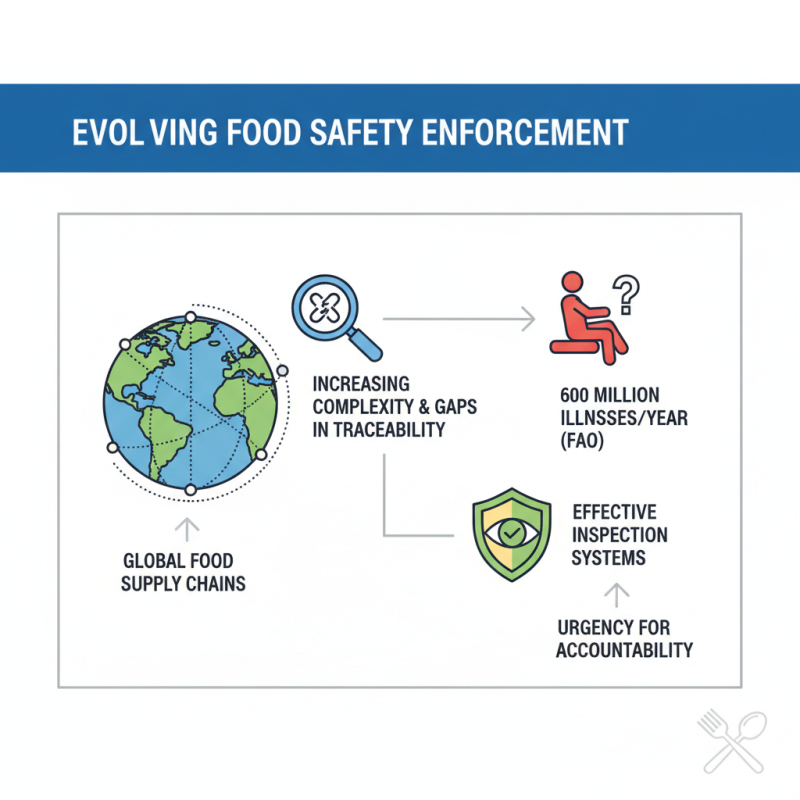
The landscape of food safety enforcement is continuously evolving, faced with both challenges and groundbreaking innovations. One significant challenge is the increasing complexity of global food supply chains, which subjects food products to numerous handling and processing steps before they reach the consumer. According to a report from the Food and Agriculture Organization (FAO), approximately 600 million people fall ill every year from consuming contaminated food, underscoring the urgency for effective inspection systems. This complexity often results in gaps in traceability and accountability, complicating the task of ensuring food safety.
To address these challenges, technological innovations are being integrated into food inspection systems. For example, the adoption of blockchain technology allows for improved transparency in food supply chains. A study by the World Economic Forum highlights that blockchain can potentially reduce food fraud by up to 30%, enabling quicker responses to food safety issues. Furthermore, the implementation of artificial intelligence (AI) in surveillance and risk assessment is transforming how food safety compliance is enforced. AI algorithms can analyze vast datasets to identify potential hazards more efficiently than traditional methods, significantly enhancing the effectiveness of food inspection systems. As these technologies continue to advance, they hold the promise of creating a safer food environment for consumers globally.