What is Food X Ray Inspection Equipment and How Does It Work?
In the modern food industry, safety and quality are paramount. Food X Ray Inspection Equipment plays a critical role in ensuring that products meet safety standards. According to Dr. Emily Carter, a leading expert in food safety technology, “Food X Ray inspection is essential for detecting contaminants that usual methods may miss.” This statement underscores the importance of advanced inspection methods in the food supply chain.
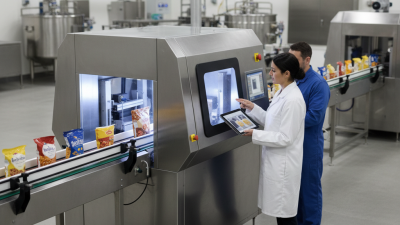
Food X Ray Inspection Equipment works by using high-energy radiation to penetrate food items. It detects foreign objects, like metal or glass, that could harm consumers. The technology also helps in verifying product integrity, ensuring that packaging is intact. With the increasing demand for safe food, reliance on this technology has surged.
Challenges remain in the field. For instance, false positives can occur, leading to unnecessary product rejections. Moreover, the cost of the equipment may deter smaller businesses from investing in it. Despite these issues, the benefits of food X Ray inspection cannot be ignored. The industry continually strives to balance safety with efficiency, making this technology vital for food manufacturers.
Overview of Food X-Ray Inspection Equipment
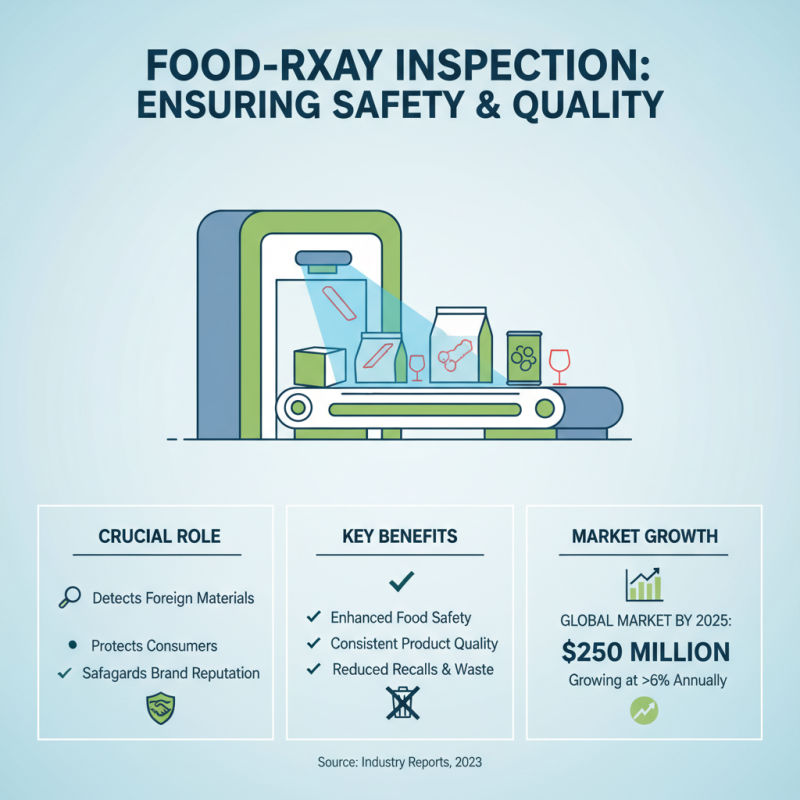
Food X-ray inspection equipment plays a crucial role in the food industry. These systems detect foreign materials in packaged food products. They offer an effective way to ensure the safety and quality of food, which is paramount for both consumers and manufacturers. The global market for food X-ray inspection equipment is projected to reach approximately $250 million by 2025, growing at a rate of over 6% annually.
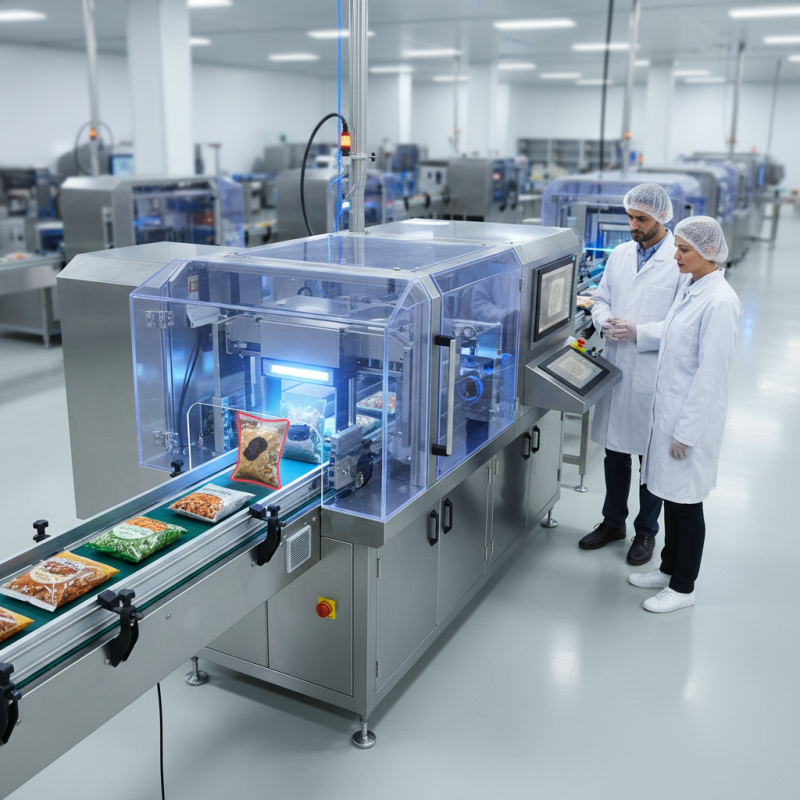
These machines use advanced technology to create detailed images of food items. They identify contaminants like metal, glass, and plastic. By employing radiographic imaging, they provide real-time results, allowing manufacturers to address issues promptly. The sensitivity of modern X-ray systems can detect particles as small as a millimeter. This precision is essential to maintaining product integrity and consumer trust.
However, some challenges exist. The cost of X-ray inspection equipment can be prohibitive for smaller companies. Additionally, proper training for operators is vital. Misinterpretation of images may lead to unnecessary product recalls, impacting both finances and reputation. Therefore, ongoing education and awareness in this field are essential for enhancing product safety measures.
Principles of Operation for Food X-Ray Inspection
Food X-ray inspection equipment plays a crucial role in ensuring food safety. This technology uses X-ray imaging to detect foreign objects within food products. The primary operating principle involves passing food items through an X-ray beam. The X-rays penetrate the food and generate images based on density differences. Denser objects, like metals or glass, appear darker on the imaging screen compared to the food itself.
According to a recent report by the Food Safety Inspection Service, nearly 30% of food recalls in the past year were due to contamination risks. This emphasizes the need for effective detection methods, such as X-ray inspections. Studies indicate that X-ray technology can detect contaminants as small as 0.3 millimeters. This precision enhances product safety and reduces potential harm to consumers.
Despite its advantages, challenges remain. The technology may sometimes lead to false positives, raising questions about its reliability. Moreover, cost considerations can limit the adoption rate among smaller manufacturers. Continuous improvement and innovation are essential for enhancing accuracy and affordability. The industry must reflect on these aspects to improve food safety standards significantly.
Key Components of Food X-Ray Inspection Systems
Food X-ray inspection systems are vital for ensuring food safety and quality. They utilize advanced technology to detect contaminants that may pose health risks. These systems include several key components that work together to provide effective results.
The X-ray source emits radiation, which passes through the food products. Detectors capture the X-rays after they traverse the material. By analyzing the data, these detectors can identify anomalies such as metal, glass, or plastic contaminants. A report from the Food Safety Research Institute indicates that 92% of food contamination cases could potentially be reduced with the proper use of X-ray inspection technology.
Another crucial element is the software used in these systems. It processes the data received from the detectors. Sophisticated algorithms analyze the size, shape, and density of the objects found. Despite their advancements, some systems may struggle with complex product shapes or overlapping items. Therefore, constant refinement and integration of machine learning could enhance detection accuracy over time.
Applications of Food X-Ray Inspection in the Food Industry
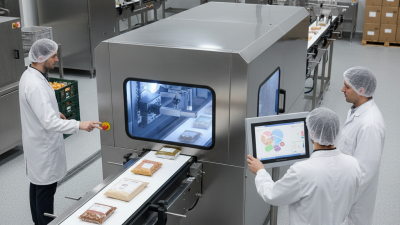
Food X-Ray inspection equipment plays a crucial role in ensuring food safety and quality. In the food industry, it is used to detect foreign objects within products. This technology helps identify materials such as metal, glass, and plastic that may compromise food safety. Operators can pinpoint contaminants with precision, ensuring that only safe products reach consumers.
The applications of food X-Ray inspection are vast. In manufacturing facilities, it helps maintain quality control by inspecting bulk materials. Packaged goods are also examined for safety compliance. This technique is reliable for detecting both dense and low-density contaminants. Additionally, it can assess product integrity and verify packaging, identifying compromised seals and damaged items.
Challenges exist, as no method is perfect. Operators must continuously train to use equipment effectively. Variations in food composition may affect detection accuracy. Balancing thorough inspections with production speed is essential. Ongoing evaluation of processes ensures the technology remains effective and adaptable to new challenges in food safety.
Applications of Food X-Ray Inspection in the Food Industry
Benefits and Limitations of Using X-Ray Inspection in Food Safety
X-ray inspection in food safety has gained popularity for its effectiveness. This technology detects contaminants like metal, glass, and plastic in food products. The benefits are clear. It provides a non-destructive method for inspecting packed food. X-rays penetrate packaging, ensuring thorough examination without damaging the product inside. Consistency in detection enhances consumer safety.
However, there are limitations to consider. The equipment can be expensive to purchase and maintain. Training staff to operate it effectively adds to these costs. The sensitivity of the system may also lead to false positives, triggering unnecessary alarms. Additionally, not all types of contaminants are detectable. That leaves gaps in food safety measures.
Food companies must reflect on these challenges. Balancing cost and technology adoption is crucial. Relying solely on X-ray inspection may not be prudent. A comprehensive safety plan should integrate multiple inspection methods. Continuous evaluation of the technology can improve its effectiveness in ensuring food safety.
What is Food X Ray Inspection Equipment and How Does It Work? - Benefits and Limitations of Using X-Ray Inspection in Food Safety
| Dimension |
Details |
| Technology |
Utilizes X-ray imaging to detect contaminants and ensure product safety. |
| Common Uses |
Identifying foreign objects, checking for missing components, and ensuring consistency. |
| Benefits |
Increases food safety, reduces recalls, and improves quality control. |
| Limitations |
Costly setup, potential false positives, and limitations in detecting certain materials. |
| Regulatory Compliance |
Helps meet food safety standards and regulations imposed by authorities. |
| Impact on Supply Chain |
Enhances traceability and accountability throughout the supply chain. |