2026 How to Choose Slotted Aluminum Extrusion for Your Needs?
When it comes to selecting the right Slotted Aluminum Extrusion, making informed choices is crucial. Understanding your specific needs can greatly influence the performance of your final product. Slotted aluminum extrusions provide versatility in design and function, making them a popular option in various projects.
Choosing the appropriate size, shape, and slot dimensions can affect overall stability and ease of assembly. Factors like load-bearing capacity and environmental conditions also play pivotal roles in this decision. Many individuals underestimate the importance of compatibility with existing components. This oversight can lead to difficulties during assembly or affect structural integrity.
It’s essential to evaluate the quality of the aluminum and the manufacturing process behind it. Not all suppliers maintain the same standards, which can result in variations. A comprehensive understanding of these aspects enhances reliability. Thoughtful consideration of these factors can help you navigate your options more effectively. Be open to learning from any missteps; refining your selection process is key to achieving optimal outcomes with slotted aluminum extrusions.
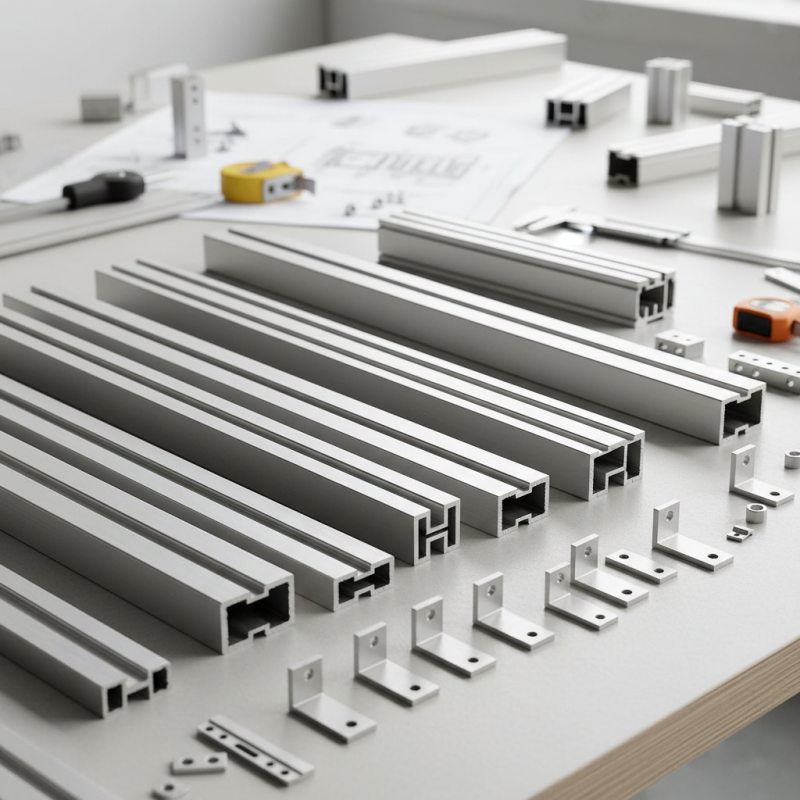
Understanding Slotted Aluminum Extrusions and Their Applications
Slotted aluminum extrusions are versatile components widely used in various applications. They offer flexibility in design and construction, making them ideal for projects that require adaptability. Their slots allow for easy attachment of other materials, providing a customizable framework. Many industries, from manufacturing to construction, utilize these extrusions to create efficient workspaces and assembly lines.
In applications like shelving, safety barriers, or frames, slotted aluminum extrusions present unique advantages. They are lightweight yet robust, providing adequate support without adding excessive weight. Additionally, they are resistant to corrosion, ensuring longevity in versatile environments.
Despite their advantages, it’s essential to recognize that not all applications require slotted extrusions. Sometimes, solid profiles might be more suitable for specific structural needs.
When choosing slotted aluminum extrusions, consider the project's specific requirements. Take into account load-bearing needs, environmental conditions, and potential modifications. Reflect on the balance between strength and flexibility. A well-thought-out approach can lead to optimal results.
Key Factors to Consider When Selecting Slotted Aluminum Extrusions
When selecting slotted aluminum extrusions, several key factors must be considered to meet your project needs. The size and shape of the extrusion are crucial. Different dimensional profiles can impact stability and weight distribution. Analyze your application carefully to determine how these elements will contribute to the overall design.
Material strength is another vital aspect. According to the Aluminum Association, the tensile strength of aluminum can range significantly, influencing durability. Choosing an extrusion with proper mechanical properties can reduce future maintenance.
Tip: Always request technical data sheets for material specifications to ensure they match your requirements.
Cost-effectiveness also plays a role. Lower-priced options may not provide the same quality. Research suggests that investing in reliable, high-quality extrusions can reduce long-term costs by decreasing the need for replacements.
Tip: Don’t forget to consider supplier certifications to validate quality and reliability.
Lastly, remember that manufacturing tolerances can vary. Variations may lead to misalignment during assembly, affecting performance. Regularly confirm that suppliers adhere to industry standards for accuracy and quality control.
2026 How to Choose Slotted Aluminum Extrusion for Your Needs?
| Factor | Description | Recommended Use Case | Material Thickness |
| Load Capacity | The amount of weight the extrusion can support without deformation. | Heavy-duty applications, such as machinery frames. | 3mm - 10mm |
| Profile Design | The shape and configuration of the extrusion profiles. | Custom framing and machine safeguarding. | 2mm - 6mm |
| Surface Finish | The treatment applied to the surface of the extrusion. | Corrosion resistance in outdoor applications. | 1mm - 5mm |
| Customization Options | Availability of custom lengths, widths, and holes. | Unique projects requiring specific dimensions. | Varies |
| Compatibility | Ability to integrate with existing systems and components. | Modular setups and expansions. | N/A |
Different Types of Slotted Aluminum Extrusions Explained
Slotted aluminum extrusions come in various shapes and sizes, each serving distinct purposes. Understanding these types is crucial for any project. Structural profiles are common, often used in construction. They offer strength and flexibility, with a wide load-bearing capacity. A report by the Aluminum Association notes that structural aluminum has a tensile strength of about 200 MPa, making it a preferred choice for many applications.
Another type is the framework extrusion, which is ideal for creating support structures. These profiles often feature multiple slots for versatile connections. Studies show that utilizing framework extrusions can reduce assembly time by up to 30%. This efficiency is significant for industries looking to streamline production.
You may also encounter specialized slotted extrusions tailored for specific applications. Examples include those engineered for machinery or lighting. These extrusions can be critical in ensuring the proper fit and function of components. However, choosing the right profile can be challenging. Factors like load requirements and environmental conditions must be considered carefully. Sometimes, an ideal fit may not be readily available, requiring custom solutions. Each type has its trade-offs, highlighting the need for thoughtful design and planning.
Assessing the Strength and Durability of Aluminum Extrusions
When considering aluminum extrusions, strength and durability are paramount. According to the Aluminum Association, aluminum alloys can achieve tensile strengths ranging from 70 MPa to over 600 MPa. This variation depends largely on the alloy composition and heat treatment. Choosing the right alloy is crucial as it directly affects the performance of the extrusion in various applications.
Durability is influenced by factors such as corrosion resistance and fatigue strength. Aluminum naturally forms a protective oxide layer, which enhances its resistance to corrosion. A report from the International Aluminium Institute highlights that aluminum can withstand harsh environments, making it suitable for both indoor and outdoor applications. However, not all aluminum extrusions are created equal. An extrusion improperly designed may not meet your longevity expectations.
Evaluating specifications is essential. For instance, looking into the extrusion’s finish can add an extra layer of protection. Hard anodizing can significantly increase surface hardness but may come with added costs. Reflecting on these concerns helps ensure that the selected slotted aluminum extrusion truly meets the specific demands of your project while also considering cost-effectiveness.
Assessing the Strength and Durability of Slotted Aluminum Extrusions
This chart illustrates the tensile and yield strength of various aluminum alloys commonly used in extrusions. Selecting the appropriate alloy based on strength requirements is crucial for ensuring durability in applications.
How to Customize Slotted Aluminum Extrusions for Specific Projects
When customizing slotted aluminum extrusions for specific projects, understanding the material properties is crucial. Aluminum's lightweight nature and resistance to corrosion make it a popular choice across various industries. According to a report by The Aluminum Association, the market for extruded aluminum products is expected to grow by 5% annually until 2026. This growth highlights the increasing demand for tailored solutions.
Designing these extrusions requires careful consideration of your project's specifications. Factors such as load requirements, environmental conditions, and fabrication processes must be addressed. For instance, certain applications may demand a thicker wall for added strength, while others prioritize aesthetic factors. Recent industry studies show that 74% of engineers report that the versatility of aluminum extrusions significantly impacts their design choices. This versatility is evident in their ability to support diverse applications.
Flexibility in production is another point to ponder. Customization options, like different finishes or unique channel sizes, can enhance functionality. However, creating a bespoke extrusion may lead to challenges, such as longer lead times and increased costs. Each project will have unique requirements, and balancing those with budget and time constraints is essential. Thus, thoughtful planning and specific criteria assessment are recommended.

