2026 How to Choose the Best Autonomous Forklift for Your Needs?
Choosing the right Autonomous Forklift is crucial for optimizing warehouse operations. As the demand for automation grows, many businesses face challenges in selecting the best option. An Autonomous Forklift can streamline processes, enhance safety, and reduce labor costs. However, not all models are created equal.
Factors such as load capacity, navigation technology, and battery life can greatly influence your decision. Each warehouse has unique demands. It's essential to assess your specific needs before making a choice. This may require trial and error. You might find that what works for one operation may not suit another.
Understanding the features of different Autonomous Forklift models can provide insights. Look for trusted manufacturers who prioritize quality and innovation. This can lead to lasting performance. Keep in mind, a forklift is a significant investment. Evaluating your options carefully will pay off in the long run.
Understanding the Basics of Autonomous Forklifts
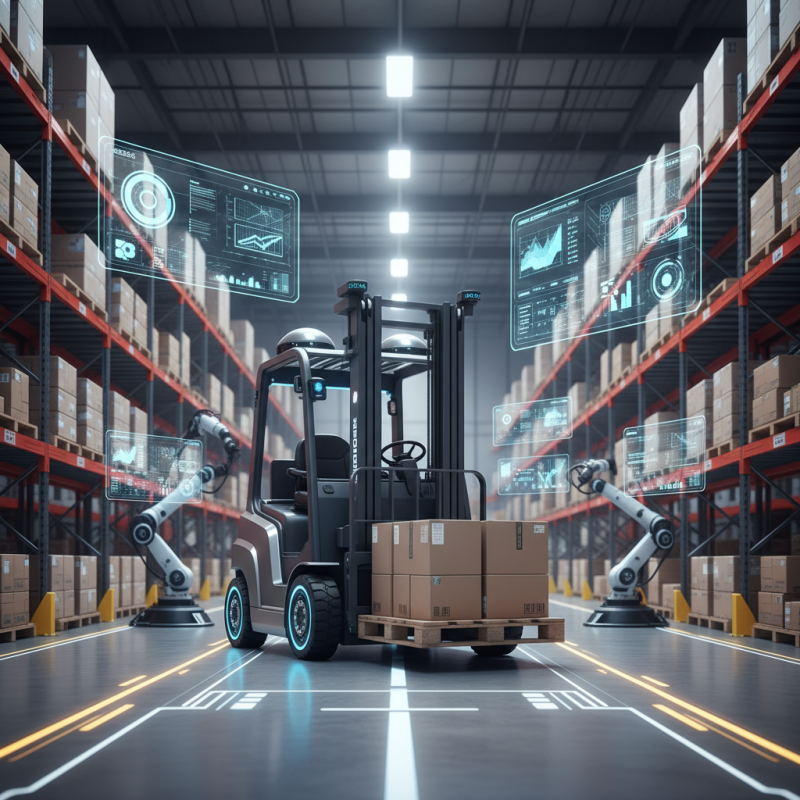
Autonomous forklifts represent a significant shift in warehouse operations. Understanding their basics is crucial for making informed decisions. These machines can operate without human input, using advanced sensors and AI to navigate. According to a recent industry report by Market Research Future, the autonomous mobile robot market will grow at a CAGR of 24% by 2026. This highlights the increasing adoption and reliability of these technologies.
When choosing an autonomous forklift, consider payload capacity, lift height, and battery life. A report by The Robotics Institute emphasizes that the average lifespan of these machines is around eight years. However, it can vary based on usage. Regular maintenance is often overlooked. Users must ensure they monitor performance and address issues promptly to avoid costly downtimes.
Safety is another critical aspect. Autonomous forklifts reduce human error, but risks remain. Training for both operators and facility staff is essential. The International Society of Automation notes that 30% of workplace accidents relate to equipment operation. This statistic underlines why understanding the technology and potential hazards is vital for operational efficiency.
Key Features to Consider When Choosing an Autonomous Forklift
Choosing the right autonomous forklift involves considering several key features. First, look at the load capacity. This determines what weight the forklift can handle safely and efficiently. Many operations have varying load sizes. It's essential to have a model that supports your heaviest items.
Next, think about navigation technology. Advanced forklifts use LIDAR or camera systems to navigate. These features enhance safety by avoiding obstacles. However, some systems may struggle in crowded areas. Testing these systems in your environment is crucial.
Battery life is another vital factor. A forklift that cannot last through your shifts may slow operations down. Look for models that offer quick charging options. Additionally, consider ease of maintenance. A system that is hard to service can lead to downtime. Always reflect on your specific needs and conditions. The perfect fit aligns with your operation's unique demands.
Evaluating Your Warehouse Layout and Operational Needs
When evaluating your warehouse layout for an autonomous forklift, first assess the available space. Consider aisle widths, shelf heights, and loading zones. A well-planned layout enhances efficiency and safety. If your aisles are narrow, you might need a compact forklift design. Wide aisles can accommodate larger models, which may offer greater load capacity.
Tips: Measure your space accurately. Use a floor plan to visualize operational flow.
Next, think about your operational needs. How frequently will you use the forklift? What types of loads will it handle? Understand your daily tasks and peak times. This insight helps in selecting a model that aligns with your daily demands. Battery life might also play a role, especially during busy hours.
Tips: Analyze your peak hourly load requirements. Don’t overlook maintenance accessibility in your layout.
Reflect on potential changes. Warehouse layouts evolve. Factors like inventory changes or seasonal demands may necessitate a different forklift. Remain flexible and open to future adjustments in your operations. This adaptability can significantly enhance your overall productivity.
Comparing Different Brands and Models of Autonomous Forklifts
When exploring autonomous forklifts, it's essential to compare various brands and models. Each brand brings unique features and capabilities. For instance, some forklifts excel in lifting capacity, while others prioritize speed and navigation efficiency. Understanding these differences can significantly influence your operational efficiency.
Consider the technology used in these forklifts. Some models incorporate advanced sensors for obstacle detection. Others may rely on more traditional navigation methods. This variation can impact ease of use and safety in busy environments. It's crucial to evaluate not only the technology but also the level of support each brand provides. Some manufacturers offer extensive training resources, while others might leave you searching for answers.
User experiences can also guide your choice. Reviews often highlight the reliability and durability of specific models. However, some users may report difficulties in maintenance. These insights reveal the importance of ongoing support. Reflect on how these factors align with your needs and operational context. A well-informed decision can enhance productivity and safety in your warehouse.
Assessing Costs and ROI for Autonomous Forklift Investments
Investing in autonomous forklifts can yield significant returns. According to the Material Handling Industry (MHI), 70% of companies see improved efficiency within the first six months. These machines reduce labor costs, which can represent 50% of operational expenses. A report by MarketsandMarkets estimates that the global autonomous forklift market will grow from $2.4 billion in 2021 to $5.4 billion by 2026. This growth highlights the increasing demand and potential ROI.
When assessing costs, it's critical to consider both initial and ongoing expenses. Maintenance and energy costs should not be underestimated. A study from the Industrial Truck Association shows that operational costs can be reduced by up to 30% with autonomous technology. However, organizations must adapt their existing infrastructure. This need for adaptation can present challenges that may affect short-term ROI.
Evaluating long-term returns requires a comprehensive analysis. Companies should factor in not just the direct cost savings, but also improved safety and reduced injury claims, which can save thousands annually. Organizations must also address potential reliance on technology. Sufficient training and support are vital for maximizing your investment.
Cost and ROI Assessment for Autonomous Forklifts