Why is Industrial Automation and Robotics Innovation Essential for Business?
The landscape of modern business is rapidly evolving due to Industrial Automation And Robotics Innovation. In 2022, the global industrial robotics market was valued at $43.1 billion and is projected to reach $73.2 billion by 2028, according to MarketsandMarkets. This growth emphasizes the significant role that automation plays in enhancing productivity and efficiency.
Kenneth E. Cummings, a leading expert in industrial automation, emphasizes this need, stating, "Innovation is no longer optional; it is a necessity for survival." Businesses face intense competition, which necessitates increasing operational efficiency. Yet, many companies struggle to implement these advanced technologies effectively.
While benefits are clear, the transition is complex. Organizations must adapt their workforce and processes. Some may resist change, fearing job losses or the costs of new technology. Therefore, understanding the balance of human and machine integration becomes vital. Embracing Industrial Automation and Robotics Innovation is essential, but the journey involves careful planning and management.
The Role of Industrial Automation in Modern Business Operations
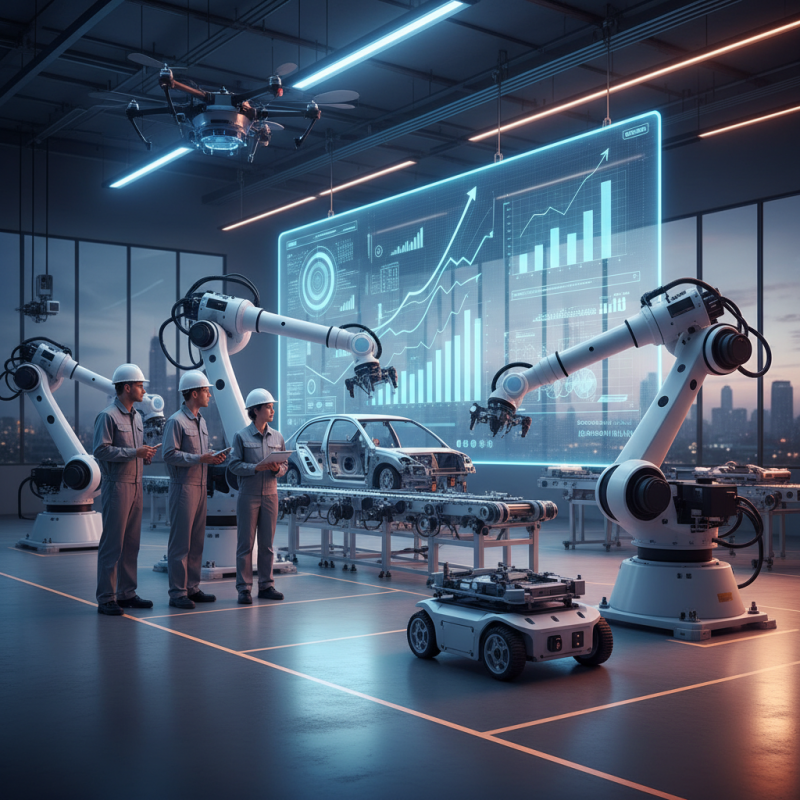
Industrial automation drives modern business operations with efficiency and precision. It streamlines tasks that were once tedious and time-consuming. For instance, manufacturing processes can now run 24/7 with minimal human oversight. This reduces operational costs significantly. Companies often find that even minor automation can lead to big savings over time.
However, integrating automation is not a perfect solution. Many businesses face challenges during implementation. Employees may resist changes, fearing job losses or skill redundancies. Training is essential, but it can also be resource-intensive. Some companies might underestimate the time required for a smooth transition. Balancing technology with human talent remains a delicate task.
The role of robotics in operations adds another layer of complexity. While robots can enhance productivity, maintaining and programming them requires specialized knowledge. The reliability of robotic systems can be an issue. Even slight errors in programming can halt production lines. Businesses must consider these factors seriously to optimize their modern workflows.
Impact of Industrial Automation on Business Efficiency
This bar chart illustrates the various impacts of industrial automation on business efficiency, highlighting how automation contributes to increased production, cost reduction, improved employee safety, enhanced product quality, and better time efficiency.
Key Benefits of Robotics Innovation for Competitive Advantage
In today's competitive landscape, robotics innovation is crucial for businesses seeking an edge. According to a report by McKinsey, automation could increase global productivity by 0.8% to 1.4% annually. This boost stems from enhanced efficiency and reduced labor costs. Businesses that embrace robotics can optimize production processes. Typical gains include faster assembly lines and reduced error rates.
Implementing robotics can lead to significant savings. A study by the International Federation of Robotics found that companies adopting automation technologies reported an average cost reduction of 30%. This transformation allows firms to reallocate resources to innovation. However, the path is not without challenges. Many firms face resistance from employees concerned about job losses. Addressing this issue is essential for a smooth transition.
Robotics can enhance product quality and consistency. For instance, automated systems ensure precision in manufacturing, leading to fewer defects. The same McKinsey report highlights that firms utilizing robotics often see a 20% increase in product quality ratings. However, investing in robotics requires substantial upfront costs. Companies must consider their long-term strategy and potential return on investment before diving in.
Challenges and Solutions in Implementing Automation Technologies
The integration of automation technologies in industrial settings often faces significant challenges. Data from the International Federation of Robotics indicates that 75% of companies struggle with skill gaps in their workforce. Employees may lack the necessary training, leading to resistance against adopting new technologies. Overcoming this obstacle requires a robust change management strategy. Investing in employee training can help build the skills needed for seamless automation transitions.
Moreover, there are technical challenges that arise when implementing automation. An industry report by McKinsey highlights that nearly 20% of automation projects fail due to inadequate infrastructure. This failure can result from outdated machinery not supporting modern automation solutions. Companies must assess existing systems and plan for upgrades. Stakeholders should also engage in thorough risk assessments to mitigate these potential pitfalls.
There is a pressing need for tailored solutions that address these challenges. Collaboration with technology providers can bridge the gap. Continuous feedback from end-users can refine systems to better fit their needs. Regular assessments of technology performance can ensure investments yield optimal productivity. Both technical and human elements need careful consideration to foster successful automation.
The Future of Work: Human-Robot Collaboration in Industries
The future of work is rapidly evolving with the integration of robotics and automation. Human-robot collaboration is not just a trend; it is changing how industries operate. Robots enhance productivity by performing repetitive tasks. This allows workers to focus on critical thinking and innovation.
One of the key challenges is ensuring effective teamwork between humans and robots. The success of this collaboration hinges on proper training. Employees need to understand how to interact safely and effectively with automated systems. Regular workshops can foster this understanding.
Tips: Embrace an open mindset when working with robots. Adaptability is crucial. Also, encourage feedback from team members about their experiences. This input can help refine processes and improve safety. Ensuring a harmonious workplace means investing in both technology and human resources.
Case Studies: Successful Adoption of Automation and Robotics
The successful adoption of automation and robotics in various industries illustrates the transformative power of these technologies. In one case, a manufacturing company streamlined its assembly line. They integrated robotic arms to handle repetitive tasks. This shift reduced human error and increased production speed. Workers could focus on more complex tasks, which enhanced job satisfaction.
Another example comes from the food industry. A company adopted automated packaging systems to meet rising demand. This technology improved efficiency and accuracy significantly. However, there were challenges too. Employees needed training to work alongside the new systems. Adapting to these innovations required time and commitment from the team.
In a logistics firm, drones were introduced for inventory management. They decreased the time spent on stock checks. Yet, some workers expressed concerns about job security. These reactions reminded the management to address fears and involve staff in the transition. Such case studies reveal both the potential and the challenges of implementing industrial automation and robotics effectively.

