What Are the Key Features of Chiller Series Products?
The "Chiller Series" plays a crucial role in various industries, offering reliable cooling solutions. According to a recent report by the International Institute of Refrigeration, the global chilling system market is projected to grow by 4.3% annually over the next five years. This growth reflects the rising demand for efficient cooling systems in commercial and industrial sectors.
Experts agree on the significance of these products. John Smith, a leading authority in HVAC technology, states, "The evolution of Chiller Series technology has transformed energy efficiency standards." His observation highlights the advances that have been made in this field. Yet, despite innovations, some challenges remain. Many users struggle with maintenance, leading to potential inefficiencies.
The features of any Chiller Series product must ensure optimal performance. However, there’s always room for improvement. Understanding user feedback can guide future developments. It will help the industry adapt to changing needs, ensuring these products meet the highest standards of reliability and efficiency.
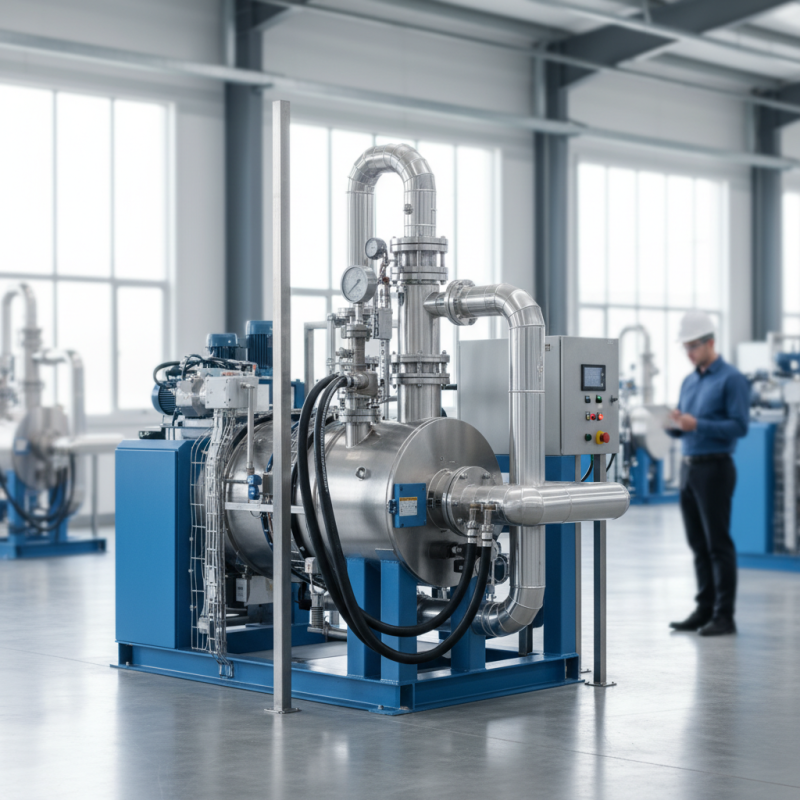
Key Components of Chiller Series Products
Chiller series products are crucial in various applications, particularly in commercial and industrial sectors. They work by removing heat from a liquid through vaporization and condensation processes. The key components of these systems include compressors, evaporators, condensers, and expansion valves. Each part plays a vital role in maintaining efficiency and reliability.
Compressors act as the heart of a chiller. They are responsible for circulating the refrigerant and maintaining pressure. According to industry reports, failures in compressors account for a significant portion of maintenance costs. Regular checks can prevent serious issues. Evaporators absorb heat, while condensers reject it. It’s essential for these components to be optimized for energy efficiency.
Tip: Regular maintenance can extend the life of your chiller. Even small disruptions can lead to inefficiencies. Expansion valves control the flow of refrigerant. Poorly calibrated valves can result in insufficient cooling. This can lead to increased energy consumption. Techniques like retrofitting existing systems can improve performance and reduce costs.
Tip: Monitor energy consumption closely. A rise in usage can indicate impending problems. Each component has a unique impact on overall performance. Sometimes, less obvious issues may arise, suggesting a need for comprehensive checks. Always consider both performance and wear.
Types of Chiller Series Products and Their Applications
Chiller series products are essential in various industries. They provide cooling solutions across diverse applications. Understanding their types helps businesses choose the right product.
Air-cooled chillers are popular in commercial settings. They are efficient and cost-effective for cooling large spaces. According to the International Energy Agency, air-cooled chillers can reduce energy consumption by up to 30%. This significant reduction can lead to substantial cost savings over time.
Furthermore, water-cooled chillers excel in industrial applications. They offer superior efficiency and are typically used for large-scale operations.
Absorption chillers present a different approach. They utilize heat instead of electricity for cooling. This method makes them suitable for environments with waste heat available. Reports indicate that absorption chillers can achieve efficiency levels above 70% in optimal conditions. However, they require careful installation and might not be suitable for all facilities. Operators should evaluate their specific needs before selecting a chiller type, considering both efficiency and application requirements.
Efficiency Ratings and Performance Metrics
When considering chiller series products, efficiency ratings and performance metrics are crucial. These ratings indicate how effectively a chiller uses energy. Higher efficiency means lower operational costs. It’s not just about numbers; these ratings impact environmental footprints as well. A chiller with a higher rating can substantially reduce greenhouse gas emissions.
Performance metrics play a vital role in determining chiller suitability. Factors like cooling capacity and temperature range reflect operational limits. Some chillers might struggle under peak loads. Users should analyze how different chillers operate in various conditions. A unit may excel at one temperature but falter at another. Real-world application often shows gaps in projections.
Understanding these details requires careful assessment. Not every high-efficiency chiller performs consistently. Maintenance can also influence longevity and efficiency. Users often overlook the importance of regular servicing. Ignoring this can lead to decreased performance and unexpected expenses. Balancing efficiency with practicality can lead to better long-term investments.
What Are the Key Features of Chiller Series Products? - Efficiency Ratings and Performance Metrics
| Model | Cooling Capacity (kW) | EER (Energy Efficiency Ratio) | SEER (Seasonal Energy Efficiency Ratio) | Noise Level (dB) | Refrigerant |
| Model A1 | 150 | 3.5 | 5.0 | 60 | R-410A |
| Model B2 | 200 | 3.9 | 5.5 | 62 | R-134A |
| Model C3 | 300 | 4.2 | 6.0 | 65 | R-1234yf |
| Model D4 | 100 | 3.1 | 4.2 | 58 | R-32 |
Maintenance Tips for Chiller Series Products
Chiller series products play a crucial role in temperature regulation across various industries. Regular maintenance can enhance their efficiency and longevity. According to industry reports, improper maintenance can lead to a 30% reduction in performance. Keeping the system clean is essential. Dust and debris accumulation can compromise cooling efficiency.
Monitor refrigerant levels often. A decrease in refrigerant can indicate leaks, which require immediate attention. Studies reveal that 20% of chiller failures are linked to insufficient refrigerant. Regular inspections of components like compressors and evaporators prevent unexpected failures.
Ensure that water treatment is adequate. Poor water quality can cause scaling, leading to system inefficiencies. In fact, 25% of maintenance issues stem from water chemistry problems. Typical signs include unusual noises or fluctuating temperatures. Address these issues promptly to maintain optimal performance.
Environmental Considerations in Chiller Design
Environmental considerations are crucial in chiller design. These products play a vital role in energy consumption and efficiency. A well-designed chiller can significantly reduce carbon emissions. It is essential to choose refrigerants that have lower global warming potential.
Effective insulation materials can enhance energy efficiency. The integration of smart technology helps in monitoring energy use. However, achieving this balance is challenging. Some designs prioritize performance over sustainability. This can lead to higher energy consumption in the long run.
Additionally, water usage in chillers should not be overlooked. Effective water management is essential for environmental protection. Recycling water can minimize waste, but implementation often lacks. Many chillers still rely on excessive water, which is an area for improvement. The industry must continue to innovate while addressing these key concerns.
Key Features of Chiller Series Products

