BLOG
Top Multi Lane Packing Machine Manufacturers Worldwide
Choosing the right Multi Lane Packing Machine manufacturer requires more than comparing speed claims. Packaging lines must match product behavior, material structure, factory space, and operator skills.
This guide examines leading manufacturers worldwide through practical and technical criteria. It considers machine design, dosing accuracy, sealing stability, lane synchronization, and changeover time. A reliable machine should handle real production conditions, not only showroom samples. For example, powder may create dust around the forming tube, while sticky products can affect filling consistency. Film tracking also becomes critical when several lanes run continuously.
Manufacturers with strong engineering experience usually provide detailed testing, documented specifications, and responsive service. Their teams should explain suitable materials, expected output, maintenance intervals, and spare-part availability. Demonstrations using your actual product can reveal problems early. Small details matter, including accessible sensors, clear control screens, and tool-free adjustments.
No ranking is perfect. Different factories need different strengths. A compact line may suit a growing producer, while a large facility may prioritize automation and high uptime. Buyers should review safety systems, installation support, training, and long-term operating costs. Initial price alone can mislead.
The manufacturers discussed here represent important options across international markets. Their capabilities may vary by product type, package size, and regional service coverage. Careful comparison remains essential. Ask precise questions. Request evidence. Then select equipment that supports consistent quality, efficient production, and dependable daily operation.
What Is a Multi-Lane Packing Machine?
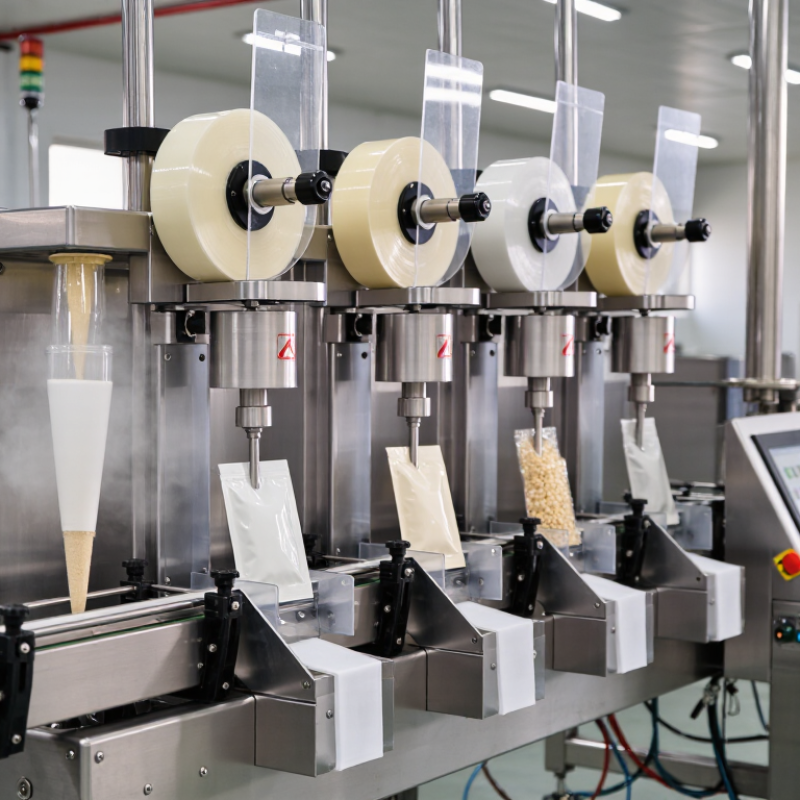
A multi-lane packing machine divides one product stream into several parallel lanes. Each lane measures, fills, and seals an individual pack. This design increases output without requiring one extremely fast line. Typical systems handle powders, granules, liquids, or small solid pieces. Product shape and flow behavior determine the correct dosing method. That detail matters.
During operation, an infeed system distributes product across multiple lanes. Volumetric cups, augers, pumps, or weighers control the fill. Forming collars shape film around each portion. Heated sealing jaws close the package, while cutters separate finished units. Sensors check film position, temperature, registration marks, and missing product. Servo drives synchronize feeding, sealing, and cutting. In practical production, stable synchronization protects accuracy and seal quality. A small timing error can create leaking packs or uneven weights.
Choosing a machine requires more than comparing lane numbers. Operators should test the actual product, packaging material, target weight, and cleaning routine. Washdown needs, changeover time, spare parts, and operator access also affect reliability. More lanes can raise capacity, but they may increase adjustment work and start-up waste. It is not a magic solution. A poorly balanced system may run quickly yet produce inconsistent packs. Good commissioning includes trial runs, recorded measurements, and operator training. Performance can still change with humidity, product temperature, or film variation. Honest monitoring remains essential.

How Multi-Lane Packing Machines Work
Top Multi Lane Packing Machine Manufacturers Worldwide
Multi-lane packing machines divide one product flow into several synchronized lanes. Each lane forms, fills, seals, and cuts individual sachets. The process starts with a controlled film roll. Guide rollers pull the film through forming collars, creating narrow pockets. A servo-driven dosing system then delivers a measured portion into each pocket. Timing matters. Even a small delay can cause uneven fills or weak seals.
After dosing, heated sealing jaws close the longitudinal and cross seals. A cutting unit separates the finished packs at fixed intervals. Sensors check film position, product presence, temperature, and registration marks.
If one lane drifts, the control system can adjust speed or stop the machine. This protects consistency, but it cannot correct every material problem. Film tension, humidity, and product shape still influence performance.
From practical installation work, operators need more than fast output. They must inspect sealing surfaces, clean dosing parts, and verify lane alignment during changeovers. Poor cleaning can create buildup around narrow filling channels. That issue is easy to miss.
Modern machines use touch-screen controls and recipe storage, yet skilled judgment remains important. A setting that works for powder may fail with granules or irregular pieces. Manufacturers with strong engineering support usually provide trial testing, operator training, and clear maintenance access. Even then, production teams should record seal pressure, temperature, and rejected packs instead of trusting the display alone.
Key Features for Comparing Global Manufacturers
Comparing Multi Lane Packing Machine manufacturers requires more than checking advertised speed. A machine may run 300 packs per minute in ideal conditions, yet perform differently with powder, granules, or sticky products. Ask for product trials using your actual materials. Request videos, sample packs, and measured production data.
Lane flexibility matters during product changes. Look for independent lane control, servo-driven dosing, and accurate film tracking. Quick-release forming parts can reduce cleaning and changeover time. Inspect seal consistency closely. Weak seals often appear after long runs, not during a short demonstration. The control system should record alarms, temperature changes, and rejected packs. Clear data supports maintenance decisions.
Hygiene and access deserve careful attention. Stainless steel contact areas, sloped surfaces, and tool-free access simplify daily cleaning. Check whether operators can reach sensors safely. Spare-part availability also affects real reliability. Ask about local technicians, remote diagnostics, training, and response times. Compare electrical standards and documentation for each market. Some manufacturers provide impressive brochures but incomplete service details. That gap deserves scrutiny. Total cost includes film waste, compressed air, energy, labor, and planned downtime. A lower purchase price may hide expensive adjustments. Even experienced buyers can overlook this point. A factory acceptance test with agreed performance limits creates stronger evidence than promises alone.
Top Multi Lane Packing Machine Manufacturers Worldwide - Key Features for Comparing Global Manufacturers
This benchmark compares typical output ranges by lane count without displaying company or brand data. The range is calculated from a conservative operating speed of 30–60 packing cycles per minute, with one pack produced per lane during each cycle.
When comparing global manufacturers, buyers should also evaluate dosing accuracy, film compatibility, stainless-steel hygiene design, changeover time, PLC and HMI functions, service coverage, and compliance with applicable food-packaging standards.
Leading Multi-Lane Packing Machine Manufacturers Worldwide
Leading multi-lane packing machine manufacturers worldwide combine mechanical precision with practical production experience. Their systems divide products into several lanes before filling, sealing, or counting them. This design can increase output while using limited floor space. Experienced manufacturers first study product shape, moisture, speed, and packaging material. A factory trial often reveals problems that drawings miss. Small details matter.
Reliable suppliers provide stainless steel contact parts, clear guarding, and accessible cleaning areas. Their engineers should explain lane balancing, film tension, sealing temperature, and sensor calibration in measurable terms. Proper documentation supports installation, operator training, maintenance, and audits. Testing should include real products and production-speed conditions. Otherwise, performance claims remain uncertain.
Leading manufacturers also invest in remote diagnostics and replaceable components. Response time matters when one sensor stops a complete line. Yet no machine is perfect. Product variation, dust, vibration, and operator habits can reduce efficiency. A careful supplier admits these limits and recommends practical controls. Buyers should compare acceptance tests, spare-part availability, safety records, and local technical support. The strongest partnership develops through transparent data, repeated trials, and honest discussion of costly weaknesses.
Applications and Selection Criteria for Multi-Lane Packing Machines
Top Multi Lane Packing Machine Manufacturers Worldwide
Multi-lane packing machines serve high-volume production where small products require consistent dosing and sealing. Common applications include snack portions, powdered drinks, pet treats, wet wipes, and personal-care sachets. A twelve-lane system can fill many packs per cycle. However, speed alone is not enough.
Selection should begin with the product. Granules may need multihead weighing, while powders require auger dosing and dust control. Liquid products demand stable pumps and accurate flow management. Check film width, pack dimensions, seal style, and target output before comparing manufacturers. Ask for a live trial using your actual product. Small differences in moisture can change filling accuracy.
A reliable supplier should explain changeover time, cleaning access, safety controls, and spare-part availability. Servo-driven systems often improve registration and reduce adjustment waste, but they also require skilled maintenance. Inspect the sealing jaws closely. Uneven temperature can create weak edges or wrinkled seals. Review electrical standards, documentation, training, and remote support for each market. Total cost includes film waste, compressed air, labor, and planned downtime. The cheapest quotation may become expensive after installation. I have seen specifications look impressive, yet operators struggled with daily cleaning. That weakness deserves attention. Make room for manual checks, because sensors can miss unusual product behavior.
Top Multi Lane Packing Machine Manufacturers Worldwide - Applications and Selection Criteria for Multi-Lane Packing Machines
The following table summarizes common multi-lane packing machine configurations, applications, and practical selection criteria. Performance values are typical industry ranges and may vary according to product characteristics, package size, film type, dosing system, and local compliance requirements.
| Application / Product Type | Recommended Lane Configuration | Typical Output Range | Suitable Dosing Method | Common Package Format | Important Selection Factors |
|---|---|---|---|---|---|
| Powdered beverages, instant coffee, spices, and seasonings | 4–12 lanes | Approximately 120–1,000 sachets per minute, depending on lane count and fill volume | Auger filler or volumetric cup filler | Three-side-seal or four-side-seal sachet | Dust control, auger accuracy, anti-static design, seal cleanliness, and powder compatibility |
| Liquid products such as sauces, oils, detergents, and cosmetic samples | 2–12 lanes | Approximately 60–600 sachets per minute | Piston, pump, or flow-meter filling system | Pillow sachet, stick pack, or four-side-seal pouch | Viscosity range, drip prevention, hygienic construction, cleaning access, and seal integrity |
| Granules, sugar, salt, rice, seeds, and small hardware components | 4–12 lanes | Approximately 100–800 sachets per minute | Volumetric cup, multi-head combination weigher, or linear weigher | Pillow bag, stick pack, or sachet | Particle size distribution, bridging risk, product flowability, target weight, and vibration control |
| Snacks, confectionery pieces, nuts, and small baked products | 2–8 lanes | Approximately 50–400 packs per minute | Multi-head weigher, linear weigher, or counting system | Pillow bag, gusseted bag, or stick pack | Gentle product handling, target-weight accuracy, anti-bridging design, and discharge timing |
| Medical, pharmaceutical, and laboratory powders | 2–10 lanes | Approximately 60–500 sachets per minute | Servo auger or other validated precision dosing system | Unit-dose sachet or stick pack | Batch traceability, cleanability, recipe control, dose verification, and applicable GMP requirements |
| Seeds, fertilizers, pet treats, and agricultural products | 2–8 lanes | Approximately 40–350 packs per minute | Linear weigher, volumetric cup, or auger filler | Pillow bag, sachet, or small pouch | Abrasion resistance, moisture protection, dust management, product variability, and sealing temperature |
Multi-Lane Packing Machine Selection Criteria
| Selection Dimension | What to Evaluate | Practical Recommendation |
|---|---|---|
| Required production capacity | Required packs per minute, operating hours, product changeover frequency, and expected production growth | Select the lane count based on the required sustained output rather than the highest advertised speed. Include reasonable capacity for downtime and changeovers. |
| Product characteristics | Bulk density, particle size, moisture, viscosity, flowability, fragility, abrasiveness, and temperature | Conduct product trials using representative materials before finalizing the dosing system and lane configuration. |
| Fill-weight accuracy | Target fill weight, permitted tolerance, statistical control requirements, and reject handling | Compare test results at the intended speed and product temperature; do not assess accuracy only at low-speed operation. |
| Film and package format | Film width, laminate structure, thickness, sealant layer, package dimensions, and tear-notch requirements | Confirm film compatibility, maximum web width, sealing temperature range, registration control, and package-size changeover limits. |
| Machine construction and hygiene | Stainless-steel contact parts, drainage, tool-free access, washdown suitability, guarding, and cleanability | For food, pharmaceutical, or cosmetic use, prioritize hygienic design and documented material compatibility. |
| Automation and controls | Servo drives, touchscreen recipes, automatic film tracking, fault diagnostics, remote access, and data collection | Choose controls that support repeatable changeovers, operator access control, production reporting, and integration with upstream and downstream equipment. |
| Changeover performance | Changeover time, tool requirements, recipe storage, adjustment points, and accessibility | Evaluate the complete changeover procedure with the actual products, films, and package sizes planned for production. |
| Reliability and service support | Spare-parts availability, technical response time, preventive-maintenance requirements, training, and documentation | Request a recommended spare-parts list, service-level terms, operator manuals, electrical drawings, and maintenance schedules before purchase. |
| Safety and compliance | Guarding, emergency stops, electrical safety, risk assessment, local regulations, and applicable market requirements | Verify conformity documentation and site-specific requirements before shipment and installation. |
| Total cost of ownership | Purchase price, utilities, film waste, labor, maintenance, spare parts, downtime, and expected service life | Compare cost per acceptable pack over the planned operating period instead of comparing equipment price alone. |
Note: Actual output, accuracy, machine dimensions, power consumption, and compatible materials should be confirmed through a formal technical specification and product test.