BLOG

What is a Metal Detector in the Pharmaceutical Industry?

Metal detectors in the pharmaceutical industry play a crucial role in maintaining product safety. These devices help identify metal contaminants in medications and supplements. Contamination can occur during manufacturing or packaging. Even tiny metal fragments can pose serious health risks to consumers.

The importance of a metal detector in the pharmaceutical industry cannot be overstated. It’s vital for compliance with safety regulations. However, not all detectors are created equal. Some may miss small particles or operate inefficiently. This can lead to potentially harmful situations.

Additionally, the implementation of metal detectors is not always perfect. Training staff on proper usage is essential. Regular maintenance is also necessary to ensure accuracy. While these detectors are valuable tools, continuous improvement is key. Ensuring maximum safety remains a constant challenge for the industry.

What is a Metal Detector in the Pharmaceutical Industry?

Definition and Function of Metal Detectors in Pharmaceuticals
What is a Metal Detector in the Pharmaceutical Industry?

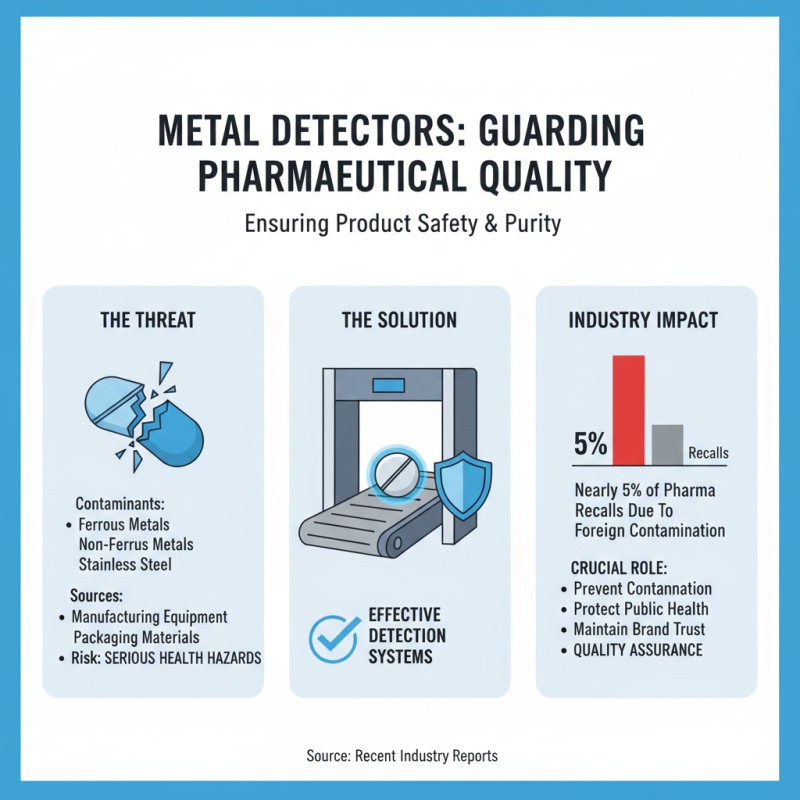
Metal detectors play a crucial role in the pharmaceutical industry. They ensure product safety and quality by detecting ferrous, non-ferrous, and stainless steel contaminants. These contaminants can result from manufacturing processes or packaging materials. The presence of metal debris in pharmaceutical products poses serious risks to health. According to recent industry reports, nearly 5% of recalls in the pharmaceutical sector are due to foreign contamination. This emphasizes the importance of effective detection systems.

Implementing metal detectors helps maintain compliance with regulatory standards. For instance, the U.S. Food and Drug Administration (FDA) mandates stringent rules for contamination control. A survey revealed that over 60% of pharmaceutical companies rely on metal detection equipment to meet these regulations. Moreover, regular audits and maintenance of detection systems can prevent costly recalls and protect company reputation.

Tips: Regular training for staff on the importance of detection is vital. Ensure all equipment is calibrated correctly for precise readings. Consider integrating advanced technology for improved accuracy and efficiency. These steps can minimize the risk of contaminants slipping through quality checks. Continuous improvement is necessary; companies must remain vigilant and proactive in their practices. A review of detection performance is essential to adapt to evolving challenges in the industry.
Importance of Metal Detection in Drug Manufacturing

Metal detection is crucial in the pharmaceutical industry. Contaminants can endanger patient safety. For instance, a report from the Pharmaceutical Quality Assurance Association shows that 85% of recalls are due to foreign materials in drugs. This statistic emphasizes the need for robust metal detection systems.

Regulatory agencies mandate metal detection in drug manufacturing. The U.S. Food and Drug Administration (FDA) outlines strict guidelines for pharmaceutical production. These regulations help ensure that products are safe for consumption. Despite these regulations, contamination incidents still occur. In 2022, a significant recall was made due to metal fragments found in oral medications. Such incidents raise concerns about manufacturing practices.

Implementing metal detectors can mitigate risks. These detectors can identify ferrous and non-ferrous metals, ensuring product integrity. A recent study indicated that 90% of manufacturers reported improved safety after installing advanced metal detection systems. However, not all companies prioritize this technology. Investing in detection systems remains a challenge for some. It's essential to balance cost with safety needs. Each incident highlights the importance of vigilance in manufacturing processes.

What is a Metal Detector in the Pharmaceutical Industry? - Importance of Metal Detection in Drug Manufacturing

Detection Method Sensitivity Level Application Industry Standards Common Contaminants
Electromagnetic Induction Up to 0.5 mm Tablet Inspection FDA, cGMP Steel, Aluminum
AC Magnetic Field 0.3 mm Powder Analysis ISO 9001 Copper, Brass
X-Ray Inspection 0.1 mm Bulk Material Testing HACCP Alloys, Metal Fragments
Metal Detectors with Pipeline Systems 0.5 mm Liquid Inspection GMP, HACCP Iron, Steel Shards

Types of Metal Detectors Used in the Pharmaceutical Industry

In the pharmaceutical industry, metal detectors play a crucial role in ensuring product safety. They help identify foreign metal contaminants in drugs and packaging. There are several types of metal detectors specifically designed for this high-stakes environment.

One common type is the conveyor-based metal detector. It works by scanning products on a conveyor belt. These detectors are efficient and can handle high production speeds. Another type is the hand-held metal detector. This is useful for spot-checking and quick inspections. Hand-held devices are portable and easy to use, yet they can miss smaller contaminants.

Tips: Always calibrate your metal detector according to the product. Sensitivity is key. Ensure regular maintenance to avoid false readings. Operators should be trained adequately. Improper use can lead to undetected hazards.

Some metal detectors use advanced technology, like pulse induction or electromagnetic fields. These offer enhanced detection capabilities for tiny metal pieces. However, they may require specific settings for different products. Not all settings work perfectly for every situation. A wrong adjustment can lead to complications.

It's essential to reflect on the detection process. Regular audits can help identify weaknesses. If a metal detector fails, understanding why is critical. Emphasizing continual improvement will enhance product safety.

Regulatory Standards and Compliance for Metal Detection

Metal detection plays a crucial role in the pharmaceutical industry. Regulatory bodies set strict standards for product safety. Compliance with these standards is not optional; it’s vital. The FDA and EMA guidelines specify that metal detectors must be part of the quality control procedure. Failure to comply can result in severe penalties.

The EU GMP Annex 1 audit guidelines highlight the need for effective metal detection systems. They suggest metal detectors should be able to detect foreign contaminants down to 1 mm in size. According to a report by the British Pharmaceutical Industry, 30% of pharmaceutical recalls are due to contamination issues. This underscores the importance of proper metal detection technologies.

**Tip:** Regularly review your metal detection systems. Consider conducting routine audits to ensure systems align with regulatory standards.

It’s not enough to install a metal detector and forget about it. Continuous training for staff is essential. Many companies overlook this. A lack of understanding of the systems can lead to issues.

**Tip:** Invest in staff training sessions to enhance awareness of metal detection importance. Monitor compliance actively to avoid costly mistakes.

Metal Detection in the Pharmaceutical Industry

Benefits and Challenges of Implementing Metal Detection Systems

What is a Metal Detector in the Pharmaceutical Industry?

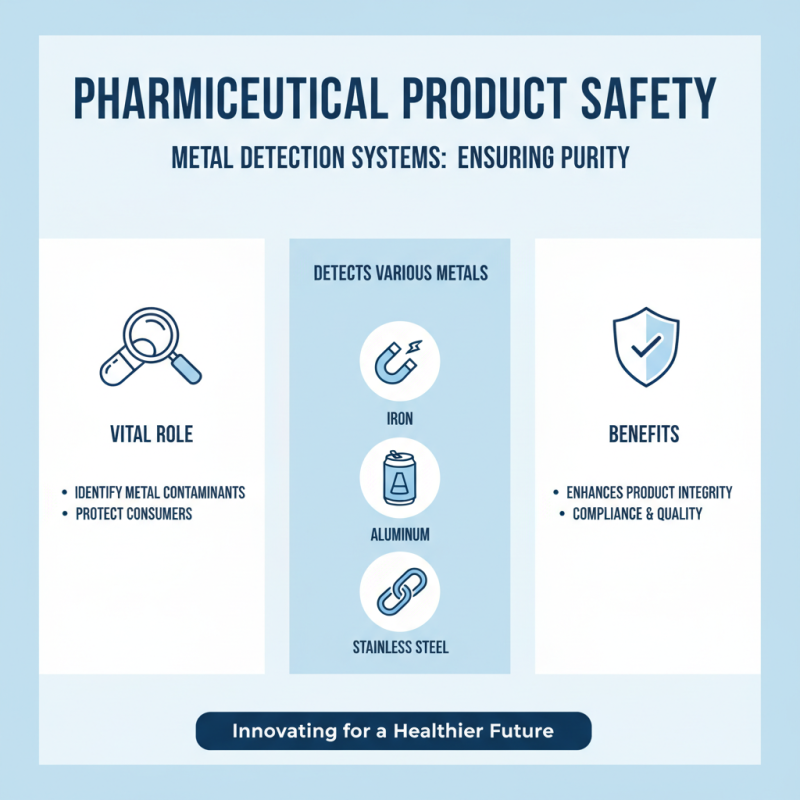
Metal detection systems play a vital role in the pharmaceutical industry. They help ensure product safety by identifying metal contaminants in medications and ingredients. These systems can detect various metals, including iron, aluminum, and stainless steel. Their implementation can enhance product integrity and protect consumers.

However, integrating metal detection systems poses challenges. One concern is the potential for false positives, leading to unnecessary product recalls. This can disrupt the supply chain and create financial losses. It also impacts reputation if customers perceive a lack of control over product quality. Staff training is essential but can be time-consuming and resource-intensive.

Despite these hurdles, the benefits are significant. Ensuring high safety standards can boost consumer trust. Enhanced compliance with regulations can open new market opportunities. Yet, ongoing assessment and adaptation are critical. Companies must remain vigilant about technology upgrades and staff proficiency. Balancing investment in these systems with their operational demands requires careful consideration.