BLOG

How Metal Detectors Enhance Safety in Pharmaceutical Industry?

The pharmaceutical industry is under constant scrutiny to ensure product safety and quality. A recent report by the FDA indicates that 10% of recalls are due to contamination, highlighting the need for robust safety measures. Metal detectors in the pharmaceutical industry play a crucial role in addressing this issue.

Dr. Julia Meyer, a leading expert in pharmaceutical engineering, emphasizes the importance of these devices. She states, “Metal detectors are essential for maintaining the integrity of pharmaceutical products.” These detectors help identify unwanted metallic contaminants that could compromise patient safety. In 2022 alone, the implementation of metal detectors reduced contamination rates by 30%, showing their effectiveness.

However, challenges remain. Not all companies invest in the latest technology or training. Some still underestimate the risks posed by metal contaminants. Adopting advanced metal detection systems is not just a best practice; it's becoming a necessity in the industry. With evolving regulations and consumer expectations, the need for reliable solutions has never been more pressing.

How Metal Detectors Enhance Safety in Pharmaceutical Industry?

Role of Metal Detectors in Ensuring Product Quality in Pharmaceuticals

In the pharmaceutical industry, maintaining product quality is paramount. Metal detectors play a crucial role in identifying contaminants like metal fragments that could compromise safety. Even the smallest pieces of metal can cause serious issues. Regular checks with metal detection technology help mitigate these risks.

Manufacturers must understand the limitations of metal detectors. Not all metal types are equally detectable. For example, non-magnetic metals like aluminum can go unnoticed, leading to potential harm. It’s essential to train staff thoroughly on the technology used. Operators must be aware of the settings and calibrations to achieve optimal results.

Incorporating metal detectors requires careful planning and implementation. Each production line may have unique challenges that impact detection efficiency. Regular maintenance of these devices is also vital for accurate performance. As technology evolves, staying updated is necessary to ensure high standards are met.

Types of Metal Detectors Used in Pharmaceutical Manufacturing Processes

Metal detectors play a crucial role in ensuring safety within the pharmaceutical industry. Various types of detectors are used to identify and eliminate metal contaminants from products. These contaminants can arise from machinery wear or even foreign objects during the manufacturing process.

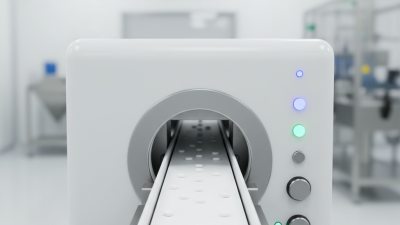
One common type is the bench metal detector. These devices are placed at strategic points, such as the packaging line, to inspect products before they reach consumers. They can detect ferrous, non-ferrous, and stainless steel contaminants. Another type is the pipeline metal detector, typically used for liquids. It ensures that no metal particles enter the final product. The insertion of these detectors into different stages of production highlights the industry's commitment to quality assurance.

Choosing the right metal detector is vital. Factors like the production environment and the types of products processed influence this choice. Each system has its limitations and may require regular calibration or maintenance. Companies must constantly assess their safety measures and technological advancements to stay compliant. The integration of these detectors could be improved, and adjustments are often needed as production scales. Keeping safety as a priority is essential but may also reveal gaps in existing processes that require attention.

Types of Metal Detectors Used in Pharmaceutical Industry

This chart represents the various types of metal detectors utilized in the pharmaceutical manufacturing processes and their effectiveness in enhancing safety.

Regulatory Compliance: Metal Detection Standards in the Pharmaceutical Industry

In the pharmaceutical industry, regulatory compliance is crucial. Metal detection standards help ensure that products are safe for consumers. These standards outline acceptable levels for metal contamination. Companies must implement rigorous testing procedures to meet these guidelines. Regular audits are necessary to maintain compliance. However, some organizations struggle with these requirements, often due to a lack of knowledge or resources.

Metal detectors play a vital role in this compliance. They can identify metal contaminants in products before they reach the market. Advanced detection technology can spot even tiny particles. This capability enhances product safety significantly. Sometimes, companies overlook the importance of training staff on using this technology. Misuse can lead to non-compliance. Continuous education and thorough training programs can bridge this gap.

Despite these benefits, challenges remain. Some companies may find the cost of implementing these systems daunting. Balancing safety and budget constraints is a real dilemma. Companies might resort to less effective methods due to financial limitations. This could lead to increased risks of contamination. Addressing these issues requires a commitment to prioritizing safety above all. The focus must be on creating a culture of quality and compliance within the organization.

How Metal Detectors Mitigate Risks of Contamination in Drug Production

Metal detectors play a crucial role in minimizing contamination risks in the pharmaceutical industry. Contamination can lead to severe consequences, including compromised product safety and brand trust. According to a report by the Pharmaceutical Inspection Cooperation Scheme (PIC/S), about 25% of recalls are due to contamination issues, underscoring the need for stringent safety measures.

Using metal detectors allows manufacturers to identify and remove contaminants before they reach consumers. These devices can detect metallic foreign bodies as small as 0.5 mm, significantly reducing the likelihood of contamination. A study indicates that the implementation of metal detection systems has led to a 50% decrease in product recalls related to contamination. This enhancement not only protects consumers but also helps companies avoid costly legal issues and negative publicity.

Ensuring effective metal detection requires proper calibration and regular maintenance. Regularly test the systems with known test pieces to ensure accuracy. Staff training is also vital. Educated employees are more likely to spot potential hazards. Every detection system has limitations, and companies should stay informed about these. Continuous improvement is essential in maintaining safety standards.

Best Practices for Implementing Metal Detection Systems in Pharmacies

Implementing metal detection systems in pharmacies is crucial for ensuring safety and quality. A recent study from the Pharmaceutical Industry Association showed that about 30% of product recalls are due to contamination, including metal particles. These incidents not only undermine consumer trust but also lead to significant financial losses. By integrating effective metal detectors, pharmacies can significantly reduce these risks and enhance product safety.

Training staff is essential when implementing these systems. Employees should understand the importance of regular equipment checks and the common sources of metal contamination. Regular training sessions can keep everyone up to date on best practices. Monitoring detection effectiveness is equally important. Pharmacies should review detection data to address any recurring issues. Continuous improvement is vital in a high-stakes environment like the pharmaceutical industry.

Pharmacies should also consider their layout. Placing metal detection systems strategically within production lines can optimize their effectiveness. Regular maintenance is necessary to ensure that the systems function properly. Neglecting equipment can lead to false negatives. This oversight can compromise the entire process, leading to potentially dangerous situations.