What is Polymer Functional Auxiliaries and Their Uses?
Polymer Functional Auxiliaries play a crucial role in various industrial applications. These additives enhance the properties of polymers and improve their performance. Understanding their functions is essential for manufacturers and researchers alike.
These auxiliaries cover a wide range of uses. They can modify viscosity and improve processability. Some also enhance durability and resistance to environmental factors. However, their effectiveness often depends on the application and formulation. This complexity can be challenging.
While Polymer Functional Auxiliaries provide numerous benefits, not all are effective in every situation. The choice of the right auxiliary is critical. A poorly chosen auxiliary could lead to suboptimal results. Careful consideration and testing are essential in this process. The science behind these additives requires expertise and knowledge. This reflection can lead to better decision-making and improved product formulations.
What are Polymer Functional Auxiliaries?
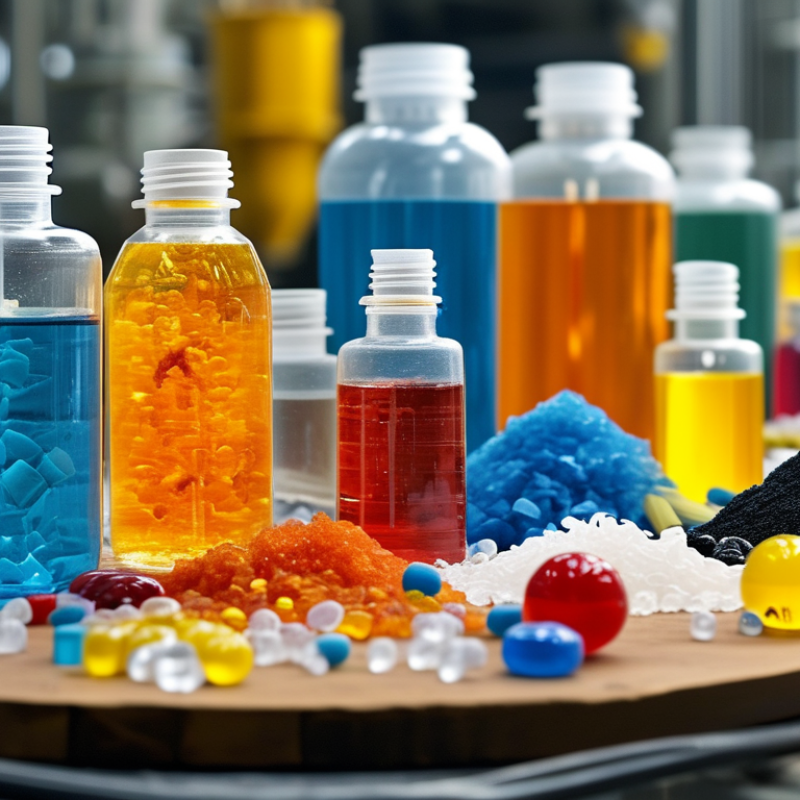
Polymer functional auxiliaries are additives used in various polymer formulations. They enhance the properties of plastics and other materials. These auxiliaries can improve performance, processing, or end-use characteristics. They play a crucial role in many industries, including automotive, textiles, and packaging.
Common types of polymer functional auxiliaries include processing aids, stabilizers, and plasticizers. Processing aids help with the flow of materials during manufacturing. Stabilizers protect against degradation from heat or UV exposure. Plasticizers improve flexibility, making materials easier to work with. Each type serves a specific purpose, contributing to the overall quality and functionality of the product.
Choosing the right auxiliaries can be challenging. It requires a deep understanding of the overall formulation. Mistakes can lead to poor material performance. Not all additives work well with every polymer. This highlights the importance of thorough testing and research. Effective use of polymer functional auxiliaries can significantly enhance product performance, but careful consideration is key.
Types of Polymer Functional Auxiliaries and Their Characteristics
Polymer functional auxiliaries play a vital role in enhancing the performance of polymer materials. Various types exist, each tailored to specific applications. These auxiliaries include plasticizers, stabilizers, and colorants, among others. Their properties can significantly affect the final product's durability and functionality.
Plasticizers, for instance, improve flexibility. They allow polymers to become more pliable, which is particularly important in applications like films and coatings. Meanwhile, stabilizers protect polymers from degradation due to heat or UV exposure. This feature is essential for outdoor applications where the material faces harsh environmental conditions. Colorants, on the other hand, enhance aesthetic appeal, but there are considerations. Using vibrant colors might compromise other properties.
Tips: Always consider the intended application of your polymer. Each auxiliary comes with its own set of characteristics. A wrong choice can lead to unexpected failures. Conduct thorough testing before mass production. Reflect on the long-term impacts of your selections on product performance and sustainability.
Types of Polymer Functional Auxiliaries and Their Characteristics
Key Applications of Polymer Functional Auxiliaries in Various Industries
Polymer Functional Auxiliaries play a crucial role in various industries. These compounds enhance the properties of polymers, making them more versatile. In the automotive sector, for instance, they improve durability and resistance to heat. This increasing demand for advanced materials has led to innovative applications across different fields.
In the construction industry, these auxiliaries improve adhesion and weather resistance. Modified polymers serve better under harsh conditions. As a result, the longevity of buildings increases. However, the environmental impact of some synthetic polymers has raised concerns. This challenge requires ongoing research and development to find sustainable alternatives.
Polymer Functional Auxiliaries enhance fabric characteristics. They can provide anti-wrinkle or water-repellent features. But the availability of eco-friendly options remains limited. Consumers often seek high-performance materials, creating a tension between functionality and environmental responsibility. Therefore, striking the right balance continues to be a significant focus for manufacturers today.
Market Trends and Growth of Polymer Functional Auxiliaries Usage
The market for polymer functional auxiliaries is witnessing significant growth. These additives enhance the performance of polymers in various applications. Industries like automotive, construction, and packaging are driving this demand. Environmental regulations and the push for sustainability also shape market trends. Companies are now seeking effective solutions that improve product quality while being eco-friendly.
Recent innovations in polymer functional auxiliaries contribute to this surge. Advanced formulations help in reducing energy consumption during production. Users report better stability and enhanced mechanical properties in their products. However, the challenge remains in optimizing these formulations. Balancing cost with functionality is crucial for many businesses. As the industry evolves, keeping abreast of new technologies is essential.
Consumer preferences are shifting towards multifunctional materials. There is increasing interest in polymers that provide additional benefits, such as UV resistance or antimicrobial properties. Companies must reflect on their current offerings. Are they meeting market demands? Continuous improvement and adaptation are key to remaining competitive. The future of polymer functional auxiliaries appears promising, yet it requires constant innovation and responsiveness.
Innovations and Future Developments in Polymer Functional Auxiliaries
The field of polymer functional auxiliaries is rapidly evolving. Innovations in this area focus on enhancing material properties. New formulations aim to improve thermal stability, flexibility, and resistance to environmental stressors. Scientists are exploring bio-based polymers that can replace traditional, petroleum-based options. These alternatives help reduce environmental impact.
Future developments may focus on smart polymers. These materials could respond dynamically to external stimuli. For example, some polymers might change color or shape when exposed to certain conditions. Researchers are also working on integrating functionality at the molecular level. This could lead to more efficient production processes.
Despite these advancements, challenges remain. The complexity of creating multifunctional polymers can lead to unpredictable results. Moreover, the cost of developing innovative materials often hinders widespread adoption. Industry experts continue to evaluate the balance between performance and sustainability, pushing for solutions that benefit both manufacturers and the environment.

