Best Synthetic Mica Powder Uses and Benefits for Your Projects?
In the world of crafting and manufacturing, synthetic mica powder has gained significant attention. This innovative material offers a range of unique benefits that can enhance various projects. It is lightweight, non-toxic, and versatile, making it an ideal choice for many applications.
Artists and manufacturers alike appreciate synthetic mica powder for its ability to add shimmering effects. The fine particles create stunning visual appeal in cosmetics, automotive paints, and home décor items. However, some users may underestimate its true potential. Experimentation with different blends and applications can reveal intriguing results.
As we explore the best uses and benefits of synthetic mica powder, it's essential to consider both its strengths and limitations. While it may elevate project quality, expectations should remain realistic. Understanding how to effectively utilize this material can lead to rewarding outcomes. Embrace the journey of discovery with synthetic mica powder, and see what creative possibilities await.
Understanding Synthetic Mica Powder: An Overview of Its Properties
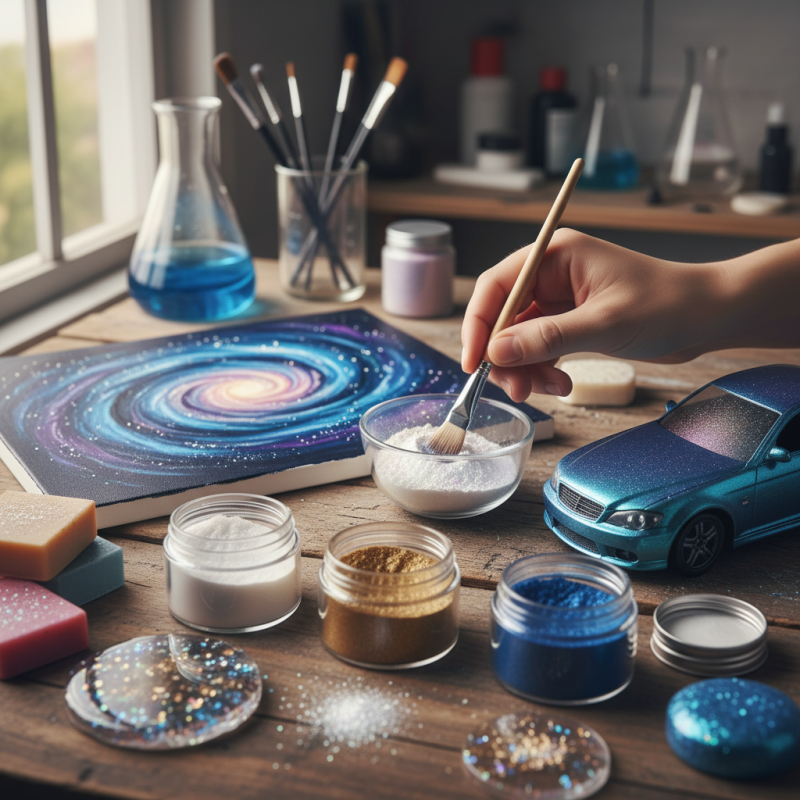
Synthetic mica powder, a popular choice among artisans, offers unique properties for various projects. It provides a shimmering effect that can elevate crafts, cosmetics, and art pieces. This material is lightweight and non-toxic. It mimics natural mica but offers consistency in texture and color.
When considering its applications, synthetic mica works well in makeup formulations. It enhances the skin's luminosity without heavy pigmentation. However, some users may find it challenging to blend with certain bases. Experimentation is key to achieving the desired effect. Its chemical stability and resistance to fading make it suitable for long-lasting products.
In crafts, synthetic mica can be mixed into resins. It adds a striking visual quality to artwork and handmade items. Some crafters may struggle with achieving an even distribution. This can lead to uneven results, which may require revisiting techniques. Each project can turn into a learning experience. Synthetic mica powder, despite its nuances, opens up a world of creative possibilities.
Primary Uses of Synthetic Mica Powder in Cosmetics and Beauty Products
Synthetic mica powder is gaining traction in the cosmetics and beauty sectors. Its unique properties make it a popular ingredient in various products. According to a 2023 market report, synthetic mica usage in cosmetic formulations has increased by 15% over the last two years. This rise highlights its significance in achieving desirable textures and finishes.
One of the primary applications of synthetic mica powder is in makeup. It provides a smooth application and enhances the product’s overall aesthetic. Synthetic mica acts as a filler in foundations and eyeshadows, creating a lightweight feel. It also delivers a pearlescent finish without harmful impurities. Additionally, it can improve skin adherence, making products last longer on the skin. Despite these benefits, some formulations may not achieve the desired level of shine or reflectivity in comparison to natural mica.
Skin care products also benefit from synthetic mica powder. It is often present in creams and lotions, contributing to a silky texture. With its ability to scatter light, it helps minimize the appearance of blemishes. However, not all beauty brands understand the balance needed when incorporating synthetic mica. Some may use it excessively, leading to a dull or ashy appearance. Thus, finding the right formulation is crucial for achieving optimal results while ensuring consumer safety.
Best Synthetic Mica Powder Uses in Cosmetics
Applications of Synthetic Mica Powder in Arts and Crafts Projects
Synthetic mica powder has become increasingly popular in various arts and crafts projects. This versatile material offers unique properties that enhance creativity. Its reflective qualities are ideal for creating stunning effects in artwork. According to data from the Global Mica Market Report, the demand for synthetic mica is projected to grow by 7% annually, emphasizing its widespread acceptance in artistic applications.
In painting, synthetic mica powder can be mixed with mediums for an iridescent finish. It adds depth and shimmer to various surfaces, making it perfect for mixed-media artwork. Additionally, crafters appreciate its use in resin art. A small amount can create a dazzling visual that captivates the viewer. Remember, using too much can overpower other elements, so balance is key.
Tips: When using synthetic mica, start with a small quantity. Test the mixture on a sample surface first. This can help gauge the final look. Always work in a well-ventilated area, as fine dust can be irritating. Experimentation is part of the creative process, but it's essential to know your limits. Overusing any material can lead to unrefined results.
Best Synthetic Mica Powder Uses and Benefits for Your Projects
| Application | Benefits | Recommended Use | Notes |
| Cosmetics | Provides shimmer and shine, enhances texture | Eye shadows, highlighters | Non-toxic, skin-friendly alternative |
| Arts and Crafts | Enhances visual appeal, adds depth | Paints, mixed media | Available in various colors |
| Home Decor | Creates elegant finishes, adds texture | Resins, decorative items | Can be mixed with other materials |
| Jewelry Making | Adds shimmering effects to pieces | Resin jewelry, embellishments | Experiment with different ratios |
| Textiles | Imparts shine and luster to fabrics | Dyeing processes, fabric treatments | Incorporate with natural fibers |
The Benefits of Using Synthetic Mica Powder in Industrial Applications
Synthetic mica powder has found diverse applications in various industrial sectors. Its unique properties, such as high thermal stability and excellent resistance to heat, make it an ideal choice for insulation materials. According to a recent report by Markets and Markets, the synthetic mica market is projected to reach $300 million by 2026, driven by increasing demand in cosmetics, plastics, and coatings. This powder enhances the durability of products while providing a vibrant shimmer.
In the cosmetics industry, synthetic mica powder plays a crucial role. It adds luster to makeup products without the risks associated with natural mica mining. Studies show that cosmetics formulated with synthetic mica offer a smoother texture and are less likely to cause skin irritation. Furthermore, its use reduces reliance on ethically problematic natural mica. Despite these benefits, some manufacturers express concerns about sourcing and the environmental footprint of production processes. Striking a balance between quality and sustainability challenges them.
Furthermore, synthetic mica powder provides opportunities in environmental applications. It is used in various products that aim to reduce environmental impacts. For instance, using synthetic mica in paint and coatings can improve durability and reduce the need for frequent application. However, the challenge remains in ensuring consistent quality across batches. This variability can affect product performance, raising questions among manufacturers.
Comparing Synthetic Mica to Natural Mica: Pros and Cons
When comparing synthetic mica to natural mica, it’s essential to consider their respective advantages and drawbacks. Synthetic mica is manufactured through controlled processes, leading to uniform size and better quality control. This consistency makes it ideal for cosmetics and art projects. However, some may argue that synthetic mica lacks the unique aesthetic qualities of natural mica. The shimmer and variations found in natural mica can be more visually appealing, especially in crafts.
Natural mica, sourced from the earth, comes with environmental concerns. Mining practices can disrupt ecosystems, raising ethical issues. On the flip side, natural mica is often preferred by artisans who cherish its authenticity. The choice between the two may boil down to personal values and project requirements.
Tips: Always test a small patch first. Mixing synthetic mica with other mediums can yield unexpected results. Experimenting with ratios can enhance effects.
Keep in mind that price may differ significantly. Sometimes, the illusions of beauty might not justify the cost. Reflecting on these factors can lead to better project outcomes.

