BLOG
7 Tips to Choose a Circuit Breaker Distribution Panel
Choosing a Circuit Breaker Distribution Panel is not a minor purchasing decision. It affects safety, uptime, maintenance, and future expansion. A panel may look suitable on a specification sheet, yet fail under real installation conditions.
The International Energy Agency reported in Electricity 2024 that global electricity demand is expected to grow strongly through 2026. More loads are entering homes, factories, offices, and data facilities. Electric vehicles, heat pumps, and battery systems increase this pressure. The panel must therefore support today’s circuits without blocking tomorrow’s upgrades. Capacity matters.
NFPA research on electrical distribution equipment repeatedly connects overloaded or damaged components with serious fire risks. IEC 60364 also emphasizes protection against overcurrent, electric shock, and thermal damage. These standards do not replace professional design. They provide a safer decision framework. The following seven tips examine interrupting capacity, enclosure ratings, busbar design, circuit count, space for expansion, certification, and installation conditions. Each point should be checked against the local electrical code and the manufacturer’s instructions. That detail is easy to overlook.
A reliable selection process starts with the actual load schedule, not the cheapest catalog image. Record voltage, phase, connected load, expected demand, and environmental exposure. Check the short-circuit rating carefully. Confirm that breakers and the panelboard are listed as a compatible assembly. UL 67 and applicable IEC requirements can help verify construction and performance expectations. Still, paperwork is not enough. A dusty workshop, a humid utility room, or a crowded service closet can change the correct choice. I would not pretend that one universal panel fits every project. Good engineering leaves room for uncertainty, inspection, and later maintenance. That is where practical experience becomes valuable.
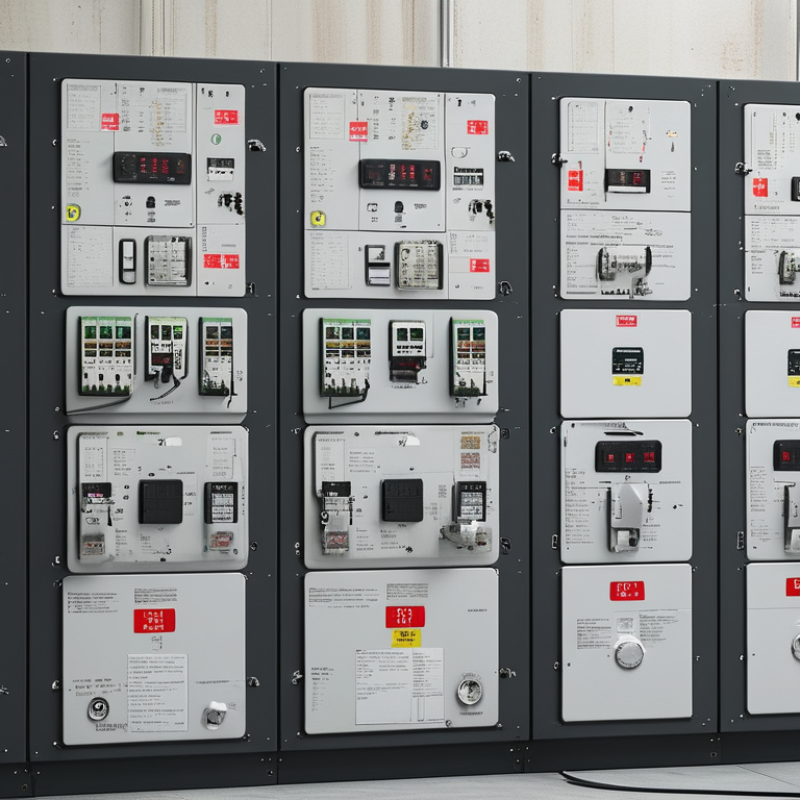
Define the Electrical Requirements and Panel Capacity
Tip 1: Start with the electrical requirements, not the enclosure size. List every circuit, voltage, phase, motor, heater, and future load. Separate continuous loads from occasional loads. Under NEC guidance, continuous loads are commonly calculated at 125% of their expected value.
Tip 2: Calculate demand carefully. Add diversified loads, then compare the result with the service rating and bus capacity. The International Energy Agency’s Electricity 2024 report expects global electricity demand to grow by about 3.3% annually through 2026. Future demand matters. A panel that works today may become restrictive after renovation, electrification, or added equipment. Tip 3: Leave physical space for expansion. Six spare breaker spaces are often more useful than a fully packed cabinet. They also improve maintenance access.
Tip 4: Check the panel’s voltage, phase, interrupting rating, and available fault current. Tip 5: Confirm conductor compatibility and terminal temperature ratings. Tip 6: Balance circuits across phases where applicable, rather than placing heavy loads on one side. Tip 7: Review the calculation with a qualified electrical professional. A first estimate can be wrong. That is not unusual. NFPA research identifies electrical distribution and lighting equipment as a major factor in residential fire incidents, so capacity and protection deserve more than a visual check. Document the assumptions, especially unused capacity, future loads, and site conditions.

Choose the Correct Breaker Types and Compatibility
7 Tips to Choose a Circuit Breaker Distribution Panel
Choose the Correct Breaker Types and Compatibility
A panel can look correct and still be electrically unsuitable. Compatibility begins with voltage, phase, frequency, current rating, and available fault current. The breaker’s interrupting rating must meet or exceed the installation’s prospective short-circuit current.
NFPA reported an estimated 26,100 U.S. home fires involving electrical distribution and lighting equipment each year from 2015 to 2019. That evidence makes careful selection more than a paperwork exercise.
Check whether the breaker matches the panel’s busbar design, mounting method, pole arrangement, and terminal capacity. Do not assume that the same ampere rating means interchangeable protection. Thermal-magnetic, electronic, residual-current, and arc-fault devices respond differently. Their trip curves also affect motors, heaters, and sensitive electronic loads. IEC 60947-2 addresses circuit-breaker performance, while IEC 61439 covers low-voltage assembly verification. These standards help, but the full assembly still requires evaluation.
Field checks should include conductor size, tightening torque, neutral routing, enclosure space, and heat buildup. A breaker may physically fit yet lack approved compatibility with the assembly. That is an easy mistake. I would also verify the panel schedule against every circuit, because old labels are often incomplete. Independent certification, installation records, and the latest local electrical rules strengthen reliability. When data is missing, pause the selection rather than guessing from appearance.
Check Safety Ratings, Certifications, and Enclosure Protection
7 Tips to Choose a Circuit Breaker Distribution Panel
A safe distribution panel starts with accurate electrical ratings. Match the panel’s voltage, continuous current, short-circuit rating, and interrupting capacity to the installation. A higher-looking number does not automatically mean better protection. During a practical inspection, check the circuit schedule against the actual loads. A small mismatch can create heat, nuisance trips, or dangerous failure. Leave room for future circuits, but avoid oversized equipment without engineering justification.
Look for certifications recognized in the country of installation. Confirm that the complete panel assembly was tested, not only its individual breakers. Relevant standards may address low-voltage assemblies, temperature rise, clearances, and short-circuit performance. Ask for current certificates, test reports, and installation instructions. A printed certification mark is useful, but traceable documentation is more reliable. If documents conflict, pause the purchase.
Enclosure protection deserves equal attention. An IP or NEMA rating should suit dust, moisture, impact, and cleaning conditions. A dusty workshop may need stronger protection than a dry indoor office. Check door seals, cable entries, unused openings, hinges, and corrosion resistance. Small gaps matter. Outdoor panels also need proper mounting, drainage, and protection from direct weather exposure. I have learned that a neat enclosure can still fail when cable glands are poorly fitted. Recheck the details before energizing.
| Tip | Selection Dimension | What to Check | Practical Selection Guidance | Relevant Standard or Rating |
|---|---|---|---|---|
| 1 | Voltage and Current Capacity | Verify that the panel voltage rating and busbar ampere rating are suitable for the electrical system and the calculated continuous load. | Select a panel rated for the system voltage and with a main or bus rating that is not less than the design load. Continuous loads are commonly evaluated at 125% of the continuous load plus 100% of non-continuous loads, where required by the applicable electrical code. | Panel and assembly ratings; applicable electrical installation code |
| 2 | Interrupting Rating and SCCR | Check the circuit breaker interrupting rating and the panel short-circuit current rating against the available fault current at the installation point. | The interrupting rating must not be lower than the available short-circuit current. For an industrial control or power distribution assembly, the short-circuit current rating must also be adequate for the prospective fault current. | Circuit breakers: IEC 60947-2 or the applicable national product standard; assemblies: IEC 61439 where applicable |
| 3 | Safety Certification and Compliance | Confirm that the complete panelboard or distribution assembly has been evaluated by an accepted conformity-assessment body for the intended market. | Review the product marking, certificate scope, installation instructions, and approved breaker combinations. Do not assume that individually certified components automatically make the complete assembly certified. | Common references include IEC 61439 for low-voltage assemblies and UL 67 for panelboards, depending on jurisdiction |
| 4 | Enclosure Protection | Match the enclosure to exposure from dust, water, corrosion, impact, and accidental contact with energized parts. | For indoor dry locations, a basic protected enclosure may be sufficient. Wet, dusty, outdoor, washdown, or corrosive environments require a suitable IP code or enclosure type. The rating applies only when the enclosure is installed and used as specified. | IP ratings: IEC 60529; enclosure types: NEMA 250 or the applicable local classification system |
| 5 | Breaker Compatibility and Configuration | Check breaker frame, mounting method, pole arrangement, bus connection, neutral configuration, and available circuit spaces. | Use only breaker types and accessories listed or approved for the panel. Allow spare spaces for future circuits, and verify whether the design requires main protection, a main disconnect, surge protection, or residual-current protection. | Manufacturer-approved combinations and the applicable panelboard or assembly standard |
| 6 | Environmental and Thermal Conditions | Evaluate ambient temperature, altitude, humidity, condensation, ventilation, sunlight, vibration, and corrosive substances. | Confirm derating requirements when the ambient temperature, altitude, or enclosure arrangement exceeds the conditions used for the equipment rating. Avoid installing heat-producing devices tightly together unless the assembly instructions permit it. | Equipment temperature limits, installation instructions, and applicable derating requirements |
| 7 | Installation, Maintenance, and Future Expansion | Review working clearances, cable-bending space, termination temperature ratings, labeling, access control, and maintenance provisions. | Choose a panel that provides adequate space for conductor routing and torque-controlled terminations. Include circuit identification, protective barriers, a reliable grounding and bonding arrangement, and enough capacity for planned expansion. | Applicable electrical code, installation instructions, and occupational electrical-safety requirements |
Plan Space, Circuit Layout, and Future Expansion
7 Tips to Choose a Circuit Breaker Distribution Panel
Plan the panel around real loads, not just today’s appliance list. Count lighting, receptacles, heating equipment, pumps, and dedicated kitchen circuits. Then reserve spare spaces for likely additions. Leave room. A panel filled on installation day can become difficult to service later. In practice, keeping 20% to 30% of spaces available gives installers better options. However, the exact allowance should follow local electrical requirements and the project’s load calculation.
Circuit layout affects safety and troubleshooting speed. Group related circuits logically, such as lighting, bedrooms, utility equipment, and outdoor loads. Keep high-demand circuits separated where heat or conductor routing may become a concern. Use clear, durable labels at the panel and on the circuit schedule. Label everything. A neat layout also helps an electrician isolate a fault without switching off unnecessary areas. I once saw a well-sized panel fail in daily use because several labels no longer matched the actual circuits.
Future expansion needs more than empty breaker slots. Check whether the enclosure supports additional breakers, whether the busbar has adequate capacity, and whether the service rating can handle added demand. Consider conduit space and cable bending room too. Tight wiring creates maintenance problems. Plan for electric vehicle charging, a workshop, solar equipment, or a larger water heater when relevant. Do not assume every spare slot means usable capacity. A qualified electrician should verify conductor sizes, fault ratings, grounding, and compliance with current local codes before installation.
Compare Installation Conditions, Quality, and Maintenance Needs
7 Tips to Choose a Circuit Breaker Distribution Panel
Compare Installation Conditions, Quality, and Maintenance Needs
Start with the installation environment. Check whether the panel will face rain, dust, heat, chemicals, or indoor humidity. Select an enclosure rating that matches those conditions. Measure wall space, cable routes, working clearance, and door swing before ordering. A panel that fits electrically may still fail during installation. Leave room for future circuits.
Confirm the system voltage, phase arrangement, available fault current, and breaker compatibility. Ask a qualified electrician to verify these values against local electrical requirements. Inspect busbar material, insulation, terminal strength, and enclosure thickness. Reliable construction should feel rigid, not merely look polished. Clear circuit labels and readable markings also reduce service errors. Cheap parts become expensive later.
Plan maintenance before energizing the panel. Choose accessible terminals, spare breaker spaces, and removable covers. Keep a record of torque settings, test results, and circuit changes. Schedule visual inspections for heat marks, corrosion, loose connections, and damaged insulation. Thermal scanning can reveal problems that ordinary inspection misses. It is useful, but not perfect. A larger panel is not always better; unused capacity can complicate labeling and protection coordination. Review the choice with the installer, then question assumptions that seem convenient.
7 Tips to Choose a Circuit Breaker Distribution Panel
Compare installation conditions, quality, and maintenance needs before selecting a low-voltage distribution panel. The chart shows a practical evaluation weighting based on common electrical design priorities; actual requirements must be verified against local codes, the available fault current, and manufacturer documentation.
Give the highest attention to installation conditions, rated current, and short-circuit breaking capacity. Confirm enclosure protection using the IEC 60529 IP code, check conductor and terminal temperature limits, and keep enough space for inspection, testing, and future maintenance.