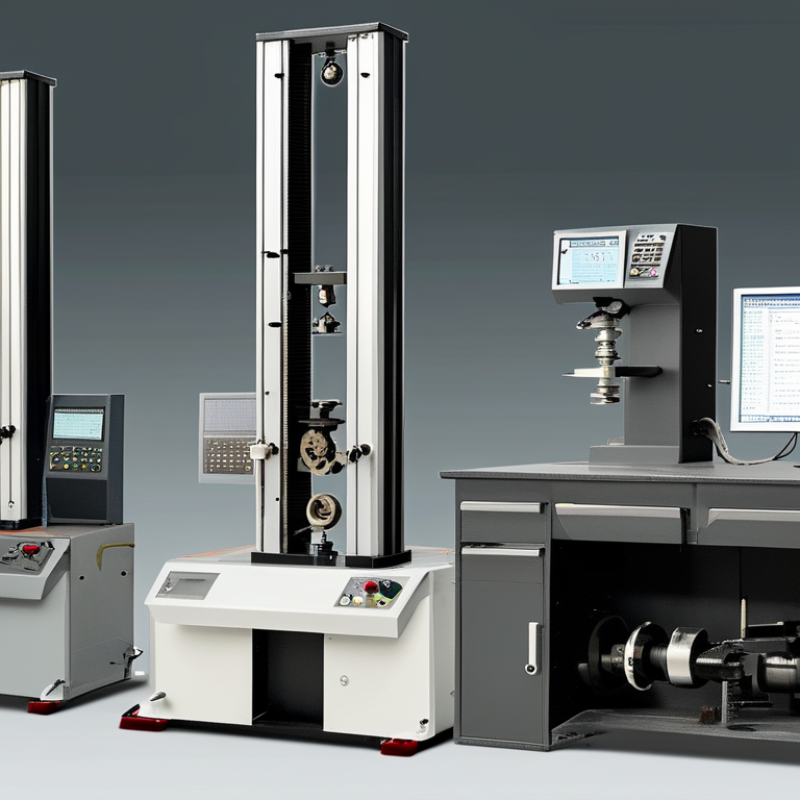
Essential Tips for Choosing the Right Peel Test Machine?
Choosing the right Peel Test Machine is crucial for material testing. This decision impacts product quality and compliance with industry standards. A well-suited machine ensures accurate results, reflecting the adhesive properties of materials.
Different types of peel tests assess various applications. This diversity means you must understand your specific needs. Consider the materials involved, their thickness, and the bond type. The right Peel Test Machine can help identify potential weaknesses in your products.
Investing in the proper equipment can save time and resources. However, not all machines come with the same level of reliability and precision. It's essential to research and compare different models, keeping in mind the long-term benefits and challenges. A thoughtful approach will enhance your testing capabilities and improve overall product performance.
Understanding the Importance of Peel Test Machines
Peel test machines are vital in assessing adhesive bonds in various industries. Understanding their importance helps manufacturers ensure product quality. A reliable peel test can determine the strength and durability of materials. Accurate testing leads to better product performance and customer satisfaction.
When choosing a peel test machine, consider its capacity to handle various materials. Machines should adapt to different thicknesses and adhesive types. It's essential to evaluate the machine’s precision. This can influence the consistency of test results.
Another critical factor is ease of use. Complex machines may lead to user errors. Ensure the machine has a user-friendly interface. This helps in accurate and efficient testing. Regular maintenance and calibration are also key to maintaining performance. An overlooked machine can yield misleading results, affecting product reliability.
Key Features to Look for in a Peel Test Machine
When selecting a peel test machine, understanding key features is essential. Accuracy is paramount. Look for machines that provide precise measurements. This ensures reliable results in material testing. The machine should accommodate various test specimens. Versatility is important, as different materials have different peel properties.
Ease of use cannot be overlooked. A user-friendly interface simplifies operations. Consider machines with digital displays for clear readings. Calibration features also enhance reliability. Regular calibration ensures the machine remains trustworthy over time. A durable design matters too. Machines should endure frequent use without compromising performance.
Check for safety features like emergency stops and protective casing. These features ensure safe operation, reducing the risk of accidents. Remember, maintenance is crucial. Machines that are easy to clean and maintain will serve you longer. Always reflect on your specific testing needs before making a decision. Focus on these areas for an informed choice.
Types of Peel Test Machines and Their Applications
Peel test machines play a critical role in various industries, ensuring adhesive bonds' effectiveness and durability. Understanding the types of machines available helps in selecting the right one for specific applications. There are primarily two types: manual and automated peel test machines. Manual testers allow for hands-on control and flexibility, ideal for small-scale projects. Automated machines provide precision and are suited for large production environments. According to a recent industry report, nearly 80% of manufacturers favor automated devices for repeatability and speed.
Different peel test machines cater to diverse materials and testing standards. For instance, devices tailored for flexible packaging must comply with ASTM D1876, while those for rigid substrates typically follow ISO 8510. The choice of machine affects accuracy and results. For example, research indicates that misalignment in manual tests can lead to discrepancies of up to 15%. Therefore, knowing the specific requirements and industry standards is crucial for effective testing.
Investing in the right equipment is essential for maintaining product quality. Users should reflect on their current testing methods. Are they achieving the desired results? Do they face recurring issues? Aligning the machine choice with industry needs can enhance reliability and performance. As the industry evolves, advancements in peel testing technology also emerge. Staying up-to-date with these trends is fundamental for long-term success.
Factors Affecting the Performance of Peel Test Machines
When selecting a peel test machine, understanding performance factors is crucial. One significant factor is the test speed. A higher speed can lead to inconsistent results. According to a report by ASTM International, variations in speed can affect the adhesive bond's integrity. Striking a balance is key. The ideal speed for most applications should not exceed 50 mm/min.
Temperature also plays a vital role in peel testing. The adhesive's properties can change dramatically with varying temperatures. Research shows that testing at temperatures outside the recommended range can produce misleading results. Many experts suggest maintaining a consistent temperature, typically around 23°C, to ensure reliable data.
The surface preparation of the materials being tested cannot be overlooked. Proper cleaning and conditioning of test surfaces enhance adhesion quality. Inadequate surface preparation can introduce errors. A study conducted by the Adhesive and Sealant Council indicated that improperly treated surfaces may lead to an error margin of up to 15%. Testing protocols should always emphasize meticulous surface preparation.
Essential Tips for Choosing the Right Peel Test Machine
| Parameter | Description | Impact on Performance | Recommended Range |
| Peel Speed | The rate at which the peel test is performed | Affects the stress distribution and failure mode | 50-300 mm/min |
| Fixture Design | The setup that holds the samples during testing | Directly influences alignment and stress concentration | Customizable for sample type |
| Temperature Control | Ability to maintain specific temperatures during tests | Impacts material properties and test results | 20-80 °C |
| Load Cell Sensitivity | Measure the force applied during the peel | Critical for accuracy in force measurement | 1-10 N |
| Data Acquisition Rate | Frequency at which data is captured | Higher rates increase data resolution | 10-100 Hz |
Maintenance and Calibration Tips for Peel Test Machines
When selecting a peel test machine, maintenance and calibration are crucial for accurate testing. Regular maintenance ensures that the machine operates smoothly. Check for wear and tear on components. Dust and debris can hinder performance. Make it a habit to clean the machine often.
Calibration is equally important. An improperly calibrated machine can yield inaccurate results. It’s essential to follow the manufacturer’s guidelines for calibration schedules. If you notice discrepancies in test results, recalibrate immediately. Testing at irregular intervals can lead to unreliable data.
Consider documenting your maintenance and calibration activities. This can help identify patterns over time. If something seems off, review your records. Continuous reflection on procedures will ensure your peel test machine remains reliable. Regular checks can save time and costs in the long run.
Essential Tips for Choosing the Right Peel Test Machine
This chart illustrates the most important factors to consider when choosing a peel test machine, as well as the maintenance and calibration aspects that are crucial for optimal performance.