Top 10 Laser Sheet Cutting Machines for Global Buyers?
In the competitive world of manufacturing, choosing the right equipment is crucial. The demand for Laser sheet cutting machines has surged. According to industry expert Dr. Emily Zhang, "Investing in a quality laser sheet cutting machine can elevate your production efficiency." Such machines have transformed how industries operate, making them indispensable.
Laser sheet cutting machines are known for precision and speed. They facilitate intricate designs that were once deemed challenging in traditional cutting methods. However, not every model is suitable for all applications. Buyers must consider their specific needs. The market offers a plethora of options, and distinguishing between them can be daunting.
While many machines promise high performance, some may underdeliver. It's essential to critically evaluate machine specifications, user reviews, and warranty services. A hasty decision could lead to costly mistakes. Understanding what features matter most can empower buyers. An informed choice ensures that your investment aligns with production goals and operational demands.
Advantages of Laser Cutting Technology in Modern Manufacturing
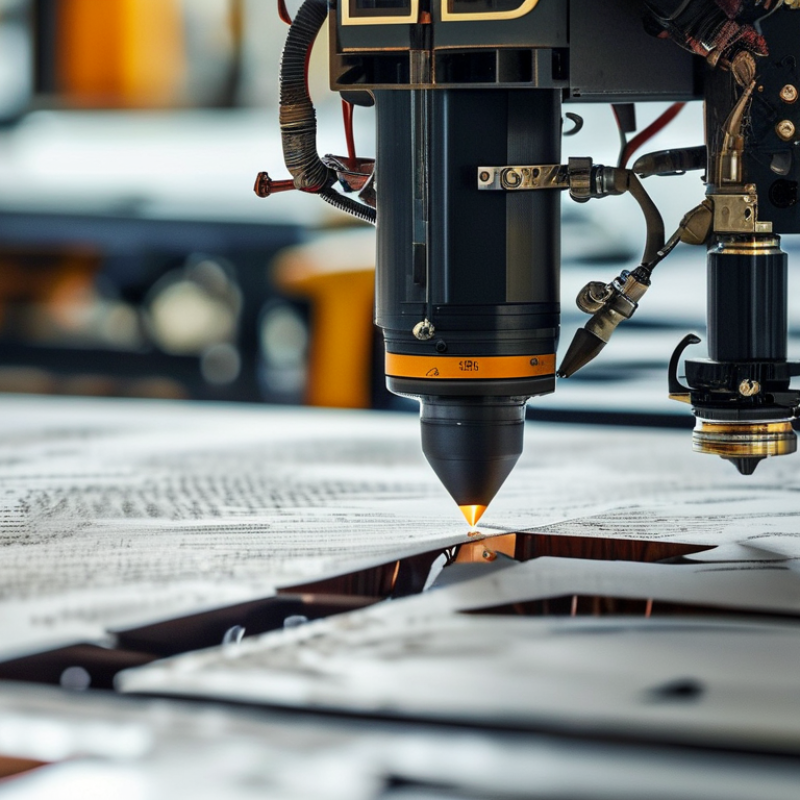
Laser cutting technology has revolutionized modern manufacturing. Its precision leads to high-quality results. This method allows for intricate designs on various materials, including metal, wood, and plastic. Manufacturers can achieve complex shapes that traditional methods often struggle with. The reduced waste generated during the process lowers production costs as well.
Tips: Focus on training operators thoroughly. Understanding the machine’s capabilities is crucial for maximizing efficiency. Regular maintenance also helps maintain precision, ensuring quality over time.
Another major advantage is speed. Laser cutting machines operate much faster than conventional cutters. This efficiency allows for quicker turnaround times and increased productivity. However, relying solely on automation can lead to skill gaps in the workforce. Manufacturers should strive to balance technology with hands-on experience.
Tips: Invest in ongoing training programs. Encourage employees to explore the technology themselves. Emphasizing human skills alongside advanced machinery fosters innovation and adaptability. This approach nurtures a culture of continuous improvement, essential in today’s fast-paced environment.
Key Specifications and Features of Top Laser Sheet Cutting Machines
Laser sheet cutting machines have gained immense popularity in various industries. When choosing one, buyers should pay attention to key specifications and features. The cutting speed is crucial; many machines offer speeds up to 30 meters per minute. This efficiency can significantly boost production rates in manufacturing settings.
Accuracy is another important aspect. A machine that can maintain a tolerance of ±0.01 mm is preferred for intricate designs. The type of laser used impacts both the cut quality and material compatibility. Machines typically use CO2 or fiber lasers, each with its own strengths. For example, fiber lasers excel in cutting metals, while CO2 lasers work well with non-metals.
Buyers should also consider software compatibility. Advanced machines often come with user-friendly software that allows for easy design input. However, not all software is equal, and some may require a steeper learning curve. Potential buyers should assess their team's capacity to adapt. Furthermore, maintenance requirements can vary, and regular upkeep is essential for longevity. Understanding these details ensures a smoother purchase and operational experience.
Market Trends and Demand for Laser Cutting Solutions in 2023
In 2023, the laser cutting industry has seen significant growth driven by increasing demand across various sectors. Manufacturers are investing in advanced technologies to enhance precision and efficiency. The market shows a shift towards automation, allowing companies to streamline production processes. This means that more businesses can meet tight deadlines without sacrificing quality.
Trade shows and industry reports indicate that buyers prefer machines with versatile cutting capabilities. They seek equipment suitable for a range of materials, from metals to plastics. Eco-friendly options are gaining traction too, reflecting a growing commitment to sustainability. However, choosing the right machine can be daunting. Many buyers grapple with understanding intricate specifications and market trends.
Emerging technologies can also present challenges. Integrating new systems with existing machinery requires careful planning. The ongoing pandemic has impacted supply chains, causing delays and price fluctuations. Industry leaders suggest that potential buyers should conduct thorough research and seek expert advice. Making informed decisions can mitigate risks and enhance operational efficiency in this evolving market.
Comparison of Leading Brands: Performance, Pricing, and Support
When choosing a laser sheet cutting machine, buyers need to consider several factors. Performance is essential. A powerful cutting speed can influence productivity. Reports suggest that machines with cutting speeds exceeding 20 m/min significantly improve operational efficiency. Energy consumption also matters. Machines with lower power usage reduce running costs while maintaining performance.
Pricing plays a pivotal role. The entry-level machines range from $10,000 to $30,000, while high-end models can exceed $100,000. A detailed evaluation of total cost of ownership is crucial for long-term investment decisions. Buyers often overlook maintenance costs. Some machines may require more frequent servicing, affecting overall affordability.
Consider these tips. Always validate performance claims with user reviews or independent testing data. This ensures reliability. Additionally, check support options provided by manufacturers. Quick access to technical support can minimize downtime during projects. Finally, assess the availability of spare parts. Reliable access to components can extend the machine's lifespan, contributing to a better return on investment.
Future Innovations in Laser Cutting Technology for Increased Efficiency
Laser cutting technology is rapidly evolving, promising greater efficiency and precision. Innovations focus on adaptive cutting systems that can automatically adjust to material variations. These systems are designed to enhance productivity, catering to diverse industries from automotive to aerospace. Advanced sensors now monitor real-time data, allowing for quick adjustments during the cutting process. This reduces waste and improves accuracy, significant for high-stakes manufacturing environments.
Another exciting development is the integration of AI in laser cutting. Machine learning algorithms analyze performance metrics, predicting maintenance needs before breakdowns occur. This proactive approach minimizes downtime and lowers operational costs. Furthermore, modular designs are being embraced, allowing for easy upgrades. Such flexibility shines in today’s fast-paced market.
While advancements are promising, challenges remain. Not all laser cutting machines can adapt equally to new technologies. Training personnel to operate advanced systems is critical but often overlooked. Additionally, not every facility can afford these innovations, leading to a gap in access. Manufacturers must address these hurdles to fully realize the benefits of future technologies. Continuous evaluation and improvement in design and operation are necessary for future success.

