BLOG
Top Metal Detectors for the Pharmaceutical Industry What to Consider?
In the pharmaceutical industry, ensuring product purity is vital. Metal contamination can pose serious risks. Experts stress the importance of reliable detection. Dr. Lisa Reynolds, a consultant in pharmaceutical safety, once stated, “A proper metal detector for pharmaceutical industry applications is essential for safeguarding consumer health.”
The right metal detector can help prevent contamination during manufacturing. Companies must consider various factors. Sensitivity levels and detection speed are critical. The machine’s design should suit the specific production line. Attention to detail is crucial, as even minor oversights can lead to significant problems.
Choosing the best technology can be challenging. Regular maintenance and calibration are necessary for accuracy. Decision-makers must invest time to evaluate options carefully. The quest for the most effective metal detector for pharmaceutical industry applications should never compromise quality or safety. There’s always room for improvement and reevaluation in this essential area.

Understanding the Importance of Metal Detection in Pharmaceuticals
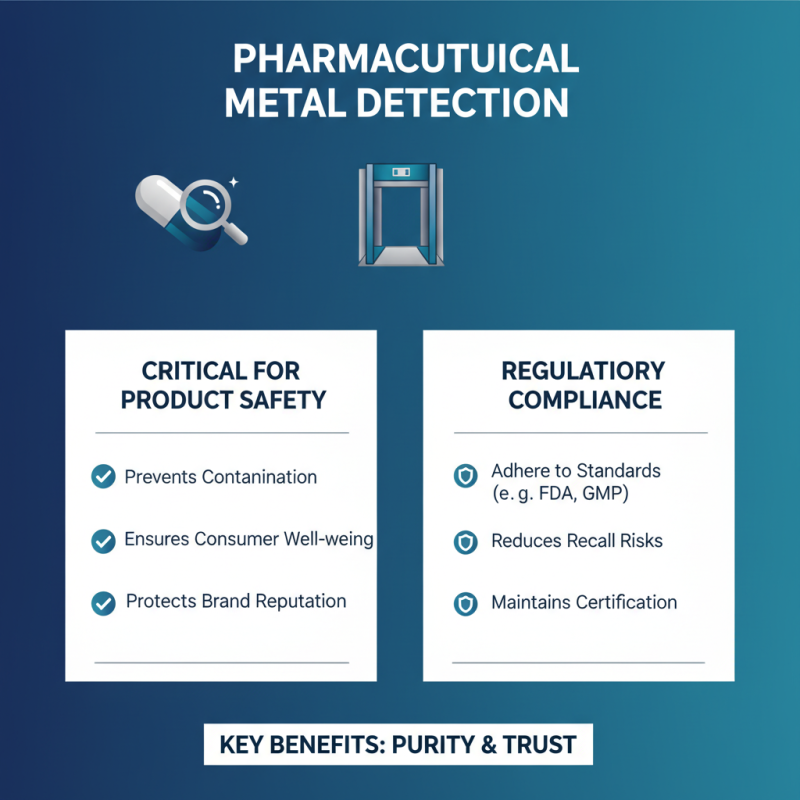
In the pharmaceutical industry, metal detection is crucial. It helps ensure product safety and quality. Tiny metal fragments can contaminate pharmaceuticals during production. These contaminants can lead to serious health risks. Detecting such metals protects consumers and upholds brand integrity.
Metal detection systems vary widely. Factors like sensitivity and detection speed are essential. Some metal detectors excel in identifying fine metals. Others work better with bulkier items. Finding the right detector is a common challenge for many manufacturers. They must assess their production lines carefully. A one-size-fits-all solution rarely applies.
In addition to equipment choice, staff training is vital. Employees need to understand how to operate metal detectors correctly. They should also know how to respond to alerts. Missteps in handling can lead to unresolved issues. Regular maintenance of equipment can also be overlooked, creating risks. Balancing efficiency with safety often requires continuous effort and reflection.
Key Features to Look for in Pharmaceutical Metal Detectors
When selecting a metal detector for the pharmaceutical industry, several key features merit attention. Sensitivity is crucial. A detector needs to identify even the smallest metal particles. This is vital, as contamination can jeopardize product safety. Additionally, stability in different environments is important. Variations in temperature and humidity can affect performance. Consistency in results ensures compliance with industry standards.
Another consideration is the detector's ease of use. A user-friendly interface can minimize training time. Operators should quickly grasp how to operate the equipment efficiently. Integration with existing systems is also beneficial. This can streamline workflows and reduce human error. The detector must easily connect with packaging lines or inspection systems for seamless operation.
Regular maintenance and support are factors worth reflecting on. A metal detector needs routine checks and recalibrations. Limited support can lead to downtime, affecting productivity. Choose models that offer comprehensive service plans. While advanced technology is appealing, it can sometimes be overwhelming. Keep an eye on balance—sophistication should not compromise usability.
Top Metal Detectors for the Pharmaceutical Industry
Types of Metal Detectors Suitable for the Pharmaceutical Industry
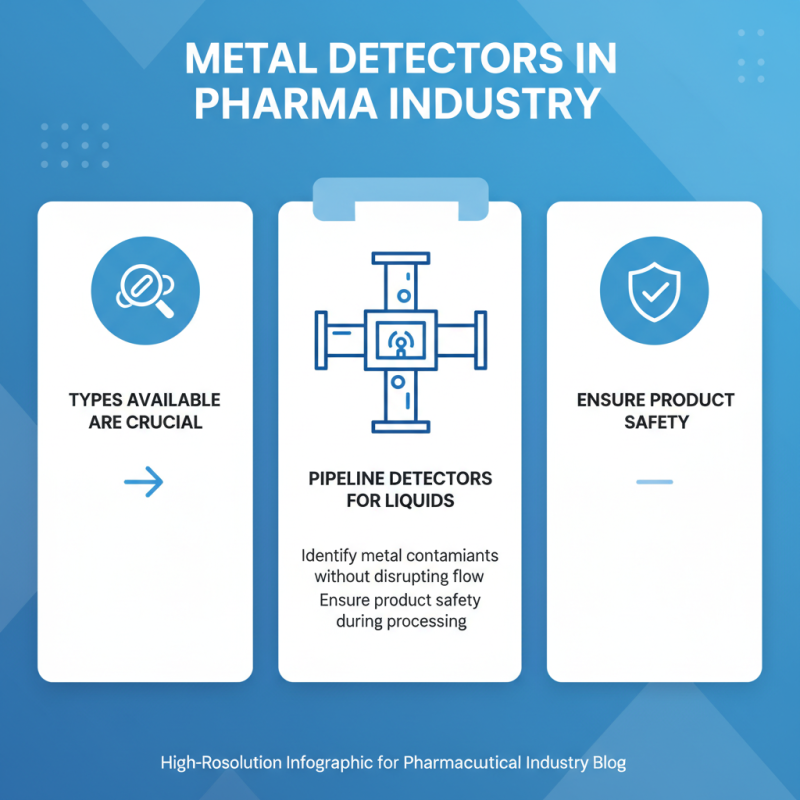
When selecting metal detectors for the pharmaceutical industry, understanding the types available is crucial. Different types of metal detectors serve various purposes. For instance, pipeline detectors are suitable for liquids. They can identify metal contaminants without disrupting the flow. These detectors ensure product safety during processing.
Another type is the conveyorized metal detector. This system scans products on a conveyor belt for foreign metal. It's efficient for high-volume production lines. Regular maintenance is needed to keep these systems optimal. Sometimes, a detector may miss small particles, which raises concerns. Regular testing is essential to maintain reliability.
Tips: Always calibrate your metal detectors. Proper calibration improves sensitivity. Consider the size of possible contaminants. Smaller particles may require more advanced detection capabilities. Also, train staff on using these machines effectively. Awareness of limitations helps in the detection process.
Other options include handheld detectors. These are practical for inspecting package integrity. They are portable and can quickly identify issues. However, their detection capability is limited compared to automated systems. Users must be vigilant, as small metal pieces could escape notice easily. Regular training can help mitigate these risks.
Regulatory Compliance and Standards for Metal Detection
In the pharmaceutical industry, metal detection is critical for ensuring product safety. Regulatory compliance is a significant aspect of this process. Companies must adhere to various standards set by authorities. These standards help prevent contamination and ensure consumer safety.
Understanding the guidelines can be challenging. There are different requirements based on regions. It’s crucial for businesses to stay updated. Non-compliance can lead to severe consequences. Fines and product recalls may occur. This situation highlights the need for thorough training.
Selecting the right metal detectors is essential. However, companies sometimes overlook the specificity of their needs. A one-size-fits-all approach can lead to inefficiencies. Detectors must be calibrated to the types of products handled. Inconsistent detection can pose risks. Regular testing and updates are necessary for optimal performance.
Maintenance and Calibration Best Practices for Metal Detectors
In the pharmaceutical industry, regular maintenance of metal detectors is essential. Industry reports indicate that nearly 40% of contamination incidents trace back to outdated or poorly maintained equipment. This highlights the importance of a robust calibration schedule. Calibration ensures detectors operate within set sensitivity levels, effectively identifying metal contaminants.
A common practice is to conduct daily checks on metal detectors, verifying their performance with test samples. These samples should contain known metal types to assess detection efficiency. Adhering to these practices can significantly reduce the risk of product recalls, which cost the industry millions annually. Some facilities, however, may overlook this routine, leading to potential compliance issues.
Another critical aspect is documentation. Keeping detailed records of maintenance activities aids in tracing any lapses in performance. Regular audits can uncover areas of improvement. Despite having a system in place, manufacturers often find imperfections in their processes. A culture of continuous improvement can help mitigate risks, reinforcing the industry's commitment to product safety and quality.
Top Metal Detectors for the Pharmaceutical Industry: What to Consider? - Maintenance and Calibration Best Practices for Metal Detectors
| Feature | Importance | Best Practices for Maintenance | Calibration Frequency |
|---|---|---|---|
| Sensitivity Level | Critical for detecting contaminants | Regularly clean detector surfaces | At least once a month |
| Response Time | Affects production efficiency | Conduct performance testing | Every quarter |
| Construction Material | Durability in cleanroom environments | Inspect for scratches and damage | Every 6 months |
| User Interface | Ease of operation by staff | Train staff on proper use | Ongoing training as needed |
| Data Logging Capability | Essential for traceability | Regularly back up data | Monthly reviews |
Related Posts
-
How to Use Metal Detectors Safely in the Pharmaceutical Industry
-
Top Metal Detectors for the Pharmaceutical Industry You Should Consider?
-

Top 10 Benefits of Using Metal Detectors in Pharmaceutical Industry?
-

How to Use Food Xray for Safe Eating Practices?
-
2025 Top X-Ray Machines for Food Processing: Ensuring Safety and Quality
-
Top 10 Benefits of Using X Ray Inspection Machines in Quality Control