Top 10 Spiral Heat Exchangers for Global Buyers in China?
When considering energy efficiency in industrial processes, the Spiral Heat Exchanger stands out. This device is known for its compact design and high thermal performance. Many global buyers are increasingly turning to Chinese manufacturers for these essential components.
The demand for Spiral Heat Exchangers has grown in various industries. Their unique design allows for enhanced heat transfer and reduced pressure drops. However, choosing the right supplier requires careful evaluation. Not all manufacturers provide the same level of quality and reliability.
Research is crucial when selecting a Spiral Heat Exchanger. Buyers should look for companies with proven expertise and positive client feedback. Reliability can often be glimpsed through industry certifications and case studies. In this rapidly evolving market, reflecting on the source and performance of these systems is vital. An informed choice can lead to significant cost savings and improved operational efficiency.
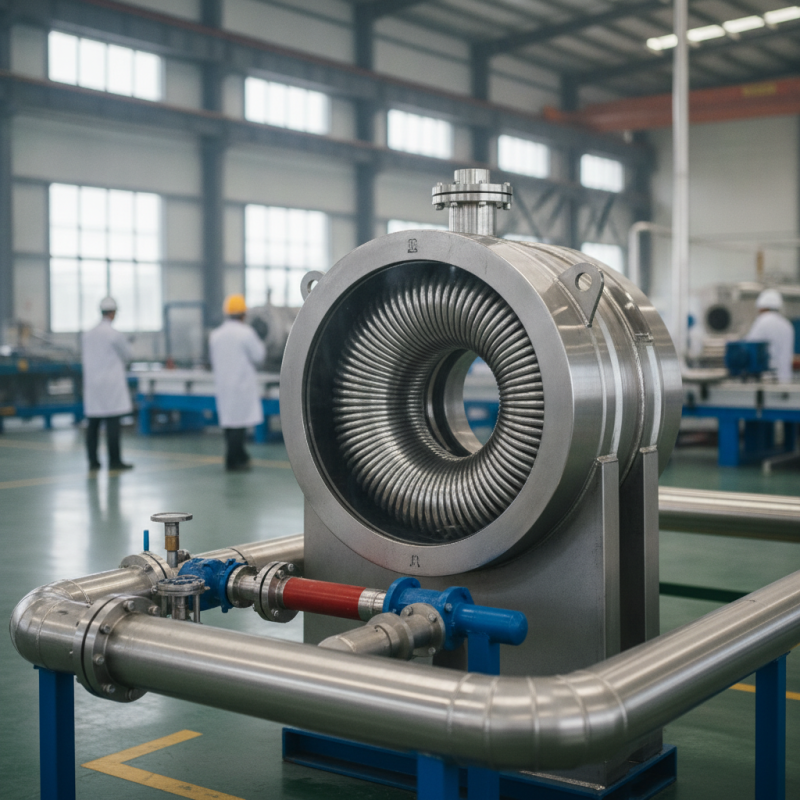
Overview of Spiral Heat Exchangers and Their Applications
Spiral heat exchangers are essential for efficient thermal management in various industries. Their design allows for the effective transfer of heat between two fluids, improving energy efficiency. These exchangers are compact, making them suitable for applications with limited space. They excel in handling viscous and dirty fluids, which can often hinder traditional heat exchangers.
Applications of spiral heat exchangers span across food processing, chemical manufacturing, and pharmaceuticals. In food production, they allow for precise temperature control, preserving product quality. In chemical processes, they handle complex mixtures that demand reliable and consistent thermal exchange. However, not all designs are flawless; fouling can occur, affecting performance. Regular maintenance is essential for sustaining their reliability.
While spiral heat exchangers offer numerous benefits, they may not be suitable for all scenarios. High initial costs can deter some buyers. Additionally, selecting the right materials is crucial to withstand specific operational conditions. Users need to carefully consider these factors to optimize their investment. Balancing performance with cost-effectiveness remains a prevalent challenge in the industry.
Key Factors for Choosing Spiral Heat Exchangers in Global Markets
Choosing the right spiral heat exchanger is critical for global buyers. A 2023 market report highlighted that spiral heat exchangers offer up to 90% heat transfer efficiency. This efficiency makes them preferred in industries like pharmaceuticals and chemicals. The compact design is also a key advantage. Many buyers seek solutions that save space and improve energy usage.
When selecting a spiral heat exchanger, consider factors like material compatibility and flow rates. A mismatch can lead to inefficiencies or even failures. Additionally, data shows that proper installation impacts performance by up to 30%. Many users overlook maintenance as well. Regular cleaning and inspections can prevent costly downtime and extend the unit's life.
Cost is not the only factor to weigh. The cheapest option may not meet long-term needs. Durability and operational efficiency should take precedence. A report indicated that about 25% of failures stem from subpar initial choices. Buyers need to reflect on their choices and prioritize reliability over price alone. Making informed decisions will lead to better outcomes in the long run.
Top Manufacturers of Spiral Heat Exchangers in China
In recent years, spiral heat exchangers have gained significant traction in various industries. Their design offers enhanced heat transfer efficiency, which is crucial for energy conservation. Reports indicate that these heat exchangers can boost thermal performance by up to 30%, making them a popular choice among manufacturers.
China is home to numerous top manufacturers specializing in spiral heat exchangers. The landscape is competitive, bringing forth innovations that focus on durability and efficiency. Many companies are now integrating advanced materials and technologies to improve performance and reduce maintenance needs. However, not all manufacturers meet the same standards. It's essential for global buyers to conduct thorough research on supplier capabilities and product quality.
Data from industry reports shows that the demand for spiral heat exchangers has grown annually by about 5%. This trend highlights the increasing importance of energy efficiency in industrial processes. Potential buyers should consider the evolving regulations and market requirements. Staying updated with industry advancements is vital for making informed purchasing decisions.
Top 10 Spiral Heat Exchangers for Global Buyers in China
| Model | Materials | Heat Transfer Area (m²) | Max Operating Pressure (bar) | Max Operating Temperature (°C) | Applications |
| Model A | Carbon Steel | 200 | 15 | 200 | Power Generation |
| Model B | Stainless Steel | 150 | 10 | 180 | Chemical Processing |
| Model C | Titanium | 250 | 20 | 250 | Food Industry |
| Model D | Copper | 100 | 12 | 150 | HVAC Applications |
| Model E | Aluminum | 180 | 15 | 220 | Oil Refining |
| Model F | Glass | 120 | 5 | 95 | Pharmaceutical |
| Model G | Nickel | 220 | 25 | 300 | Marine Applications |
| Model H | Bronze | 140 | 8 | 160 | Cooling Systems |
| Model I | Alloy Steel | 300 | 30 | 350 | Waste Heat Recovery |
| Model J | Polymer | 90 | 3 | 120 | Textile Industry |
Comparative Analysis of Product Features and Specifications
When choosing spiral heat exchangers, the design and material can significantly impact performance. These units often utilize stainless steel due to its corrosion resistance. Some models incorporate advanced manufacturing techniques for better heat transfer efficiency. Copper also appears in specific applications, enhancing thermal conductivity.
Performance specifications vary widely. Heat transfer coefficients can differ based on flow rates and temperatures. Buyers should carefully analyze these factors. Pressure ratings are crucial as well. Units will often list their maximum and minimum operating conditions. Different designs can accommodate specific industrial needs, particularly in the chemical and oil sectors.
Maintenance is another crucial consideration. Many products require regular inspections for fouling or corrosion. Cleaning methods can vary. Some models allow for easy disassembly, while others may pose challenges. This factor is vital for long-term reliability. A well-maintained unit often outperforms expectations, while neglect can lead to significant inefficiencies.
Market Trends and Future Outlook for Spiral Heat Exchangers
The spiral heat exchanger market has seen significant growth in recent years, driven by the increasing demand for energy efficiency. Research indicates that the global market size for heat exchangers could surpass $22 billion by 2027, with a compound annual growth rate (CAGR) of over 5%. This growth is largely attributed to the rising need for effective thermal management solutions in various industries, including chemical processing and HVAC.
Emerging trends highlight the shift toward sustainable and innovative designs. For instance, spiral heat exchangers offer exceptional heat transfer efficiency and occupy a smaller footprint than traditional exchangers. This is crucial as industries strive to reduce energy consumption. However, challenges persist, such as the complexity of maintenance and a higher initial investment compared to other types. Buyers must consider these factors carefully to ensure long-term benefits.
Insights from industry experts suggest that while the demand for spiral heat exchangers is rising, adaptability remains key. Manufacturers are urged to focus on enhancing durability while minimizing production costs. As the market evolves, the emphasis on research and development will drive future innovations. Adopting advanced materials and technologies could address current limitations and ensure that these heat exchangers remain competitive in a rapidly changing landscape.

